




AI-generated code
Safe Workflow for AI-Generated Code: Testing and Security Checks
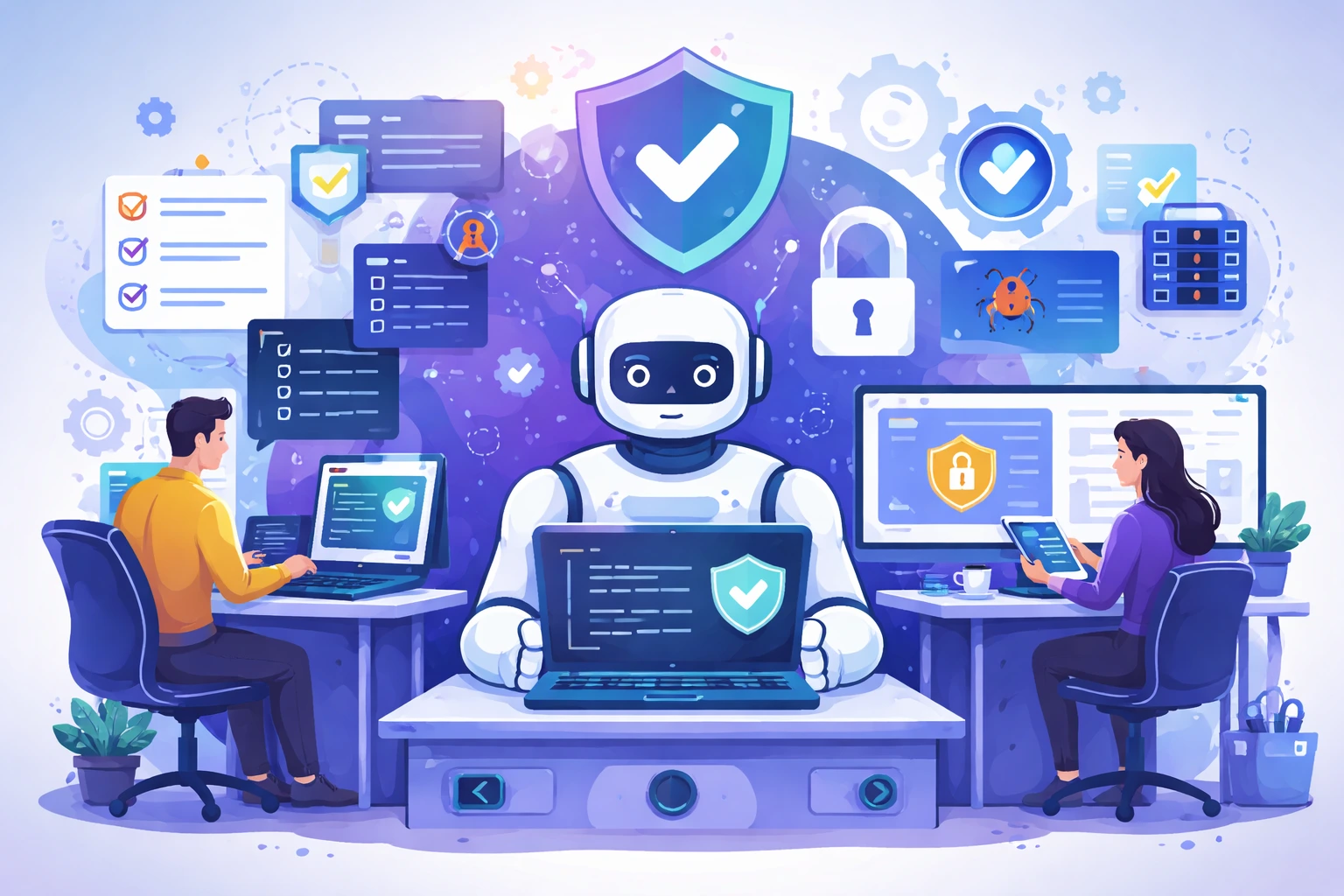
AI models generate code based on training data patterns, not real-time project context. As a result, AI-generated code may contain outdated practices, insecure logic, or missing edge-case handling. Without proper testing and security checks, these issues can reach production and cause serious problems.
From a security standpoint, AI-generated code can accidentally introduce vulnerabilities related to input validation, authentication, authorization, or data exposure. Implementing a secure AI code workflow helps reduce these risks significantly.
1.Treat AI-Generated Code as Untrusted Input
The foundation of a safe workflow is treating AI-generated code as untrusted until verified. Just like third-party code, it should never be deployed directly. All AI-generated code must pass review, testing, and security checks before being merged.
This mindset reduces overreliance on AI and promotes responsible development practices.
2.Perform a Manual AI Code Review
Manual review remains essential for identifying logic flaws, inefficient patterns, and security concerns. Developers should inspect AI-generated code for unclear logic, hardcoded values, poor naming conventions, and unnecessary complexity.
A structured AI code review process ensures alignment with project standards and improves maintainability.
3.Test AI-Generated Code Thoroughly
Testing AI-generated code is a key part of a safe workflow. Unit tests validate individual functions, while integration tests confirm correct interaction with other components. Code should not be deployed unless all automated tests pass successfully.
Adding tests where none exist improves long-term reliability and reduces regression risks.
4.Run Security Checks on AI-Generated Code
Security scanning is crucial when working with AI-generated code. Static analysis tools and dependency scanners help detect insecure functions, vulnerable libraries, and unsafe coding patterns. Special attention should be given to user input handling and sensitive operations.
These AI-generated code security checks help prevent common vulnerabilities before deployment.
5.Validate Performance and Efficiency
AI-generated code may function correctly but still be inefficient. Reviewing database queries, API calls, loops, and resource usage helps ensure performance stability. Poor performance can negatively impact scalability, user experience, and SEO.
Optimizing early prevents costly refactoring later.
6.Enforce CI/CD Validation for AI Code
A strong CI/CD pipeline is essential for secure AI code deployment. All AI-generated changes should pass linting, testing, and security checks automatically before deployment. This reduces human error and enforces consistent quality standards.
Automation plays a key role in maintaining a secure workflow for AI-generated code.
7.Monitor AI-Generated Code After Deployment
Post-deployment monitoring is the final safety layer. Tracking logs, error rates, and performance metrics helps detect unexpected behavior early. Quick detection allows teams to respond before users are impacted.
Conculsion
AI-generated code can significantly accelerate development, but only when used responsibly. By following a safe workflow for AI-generated code that includes manual review, testing, security checks, CI/CD validation, and monitoring, developers can deploy AI-assisted code with confidence.
This structured approach balances innovation with security, making AI a reliable part of modern software development.