



Shopify Speed Optimization that improves rankings, conversions, and revenue
A slow Shopify store doesn’t just hurt user experience — it costs you sales. We help Shopify brands improve page speed, Core Web Vitals, and mobile performance so customers stay longer and buy more.
Our Shopify speed optimization service focuses on real performance fixes — not temporary hacks. From theme optimization and script cleanup to image delivery and Core Web Vitals tuning, we make your store faster where it actually matters.
What we improve
- Core Web Vitals (INP, LCP, CLS)
- Mobile performance & UX
- Theme & Liquid optimization
- Apps & script bloat cleanup
- Image & asset delivery
Why Shopify Speed Optimization Matters
Shopify is powerful, but it doesn’t guarantee a fast store. Over time, apps, heavy themes, large images, and third-party scripts slow down performance — especially on mobile devices.
Page speed directly impacts how customers interact with your store. A delay of even one second can increase bounce rate, reduce add-to-cart actions, and lower checkout completion. Google also uses real user performance data when evaluating rankings.
Our Shopify speed optimization service focuses on sustainable improvements — changes that continue to perform well even as Shopify updates, themes change, or new apps are added.
How Website Speed Impacts Shopify Sales
Faster pages don’t just feel better — they reduce drop-offs and help more shoppers reach checkout.

Many mobile shoppers leave if a page takes more than a few seconds to load.

Even small delays can create big revenue loss at scale — speed protects sales.

Milliseconds matter — speed improvements can lift conversion rate noticeably.
A 1-second delay on mobile can reduce conversions — speed helps shoppers finish checkout.

Faster mobile experiences are linked to higher conversion performance.
Load Like a Pro
We optimize your website by removing render-blocking resources, improving Core Web Vitals, and applying smart loading strategies—so your site feels instant on mobile and desktop.
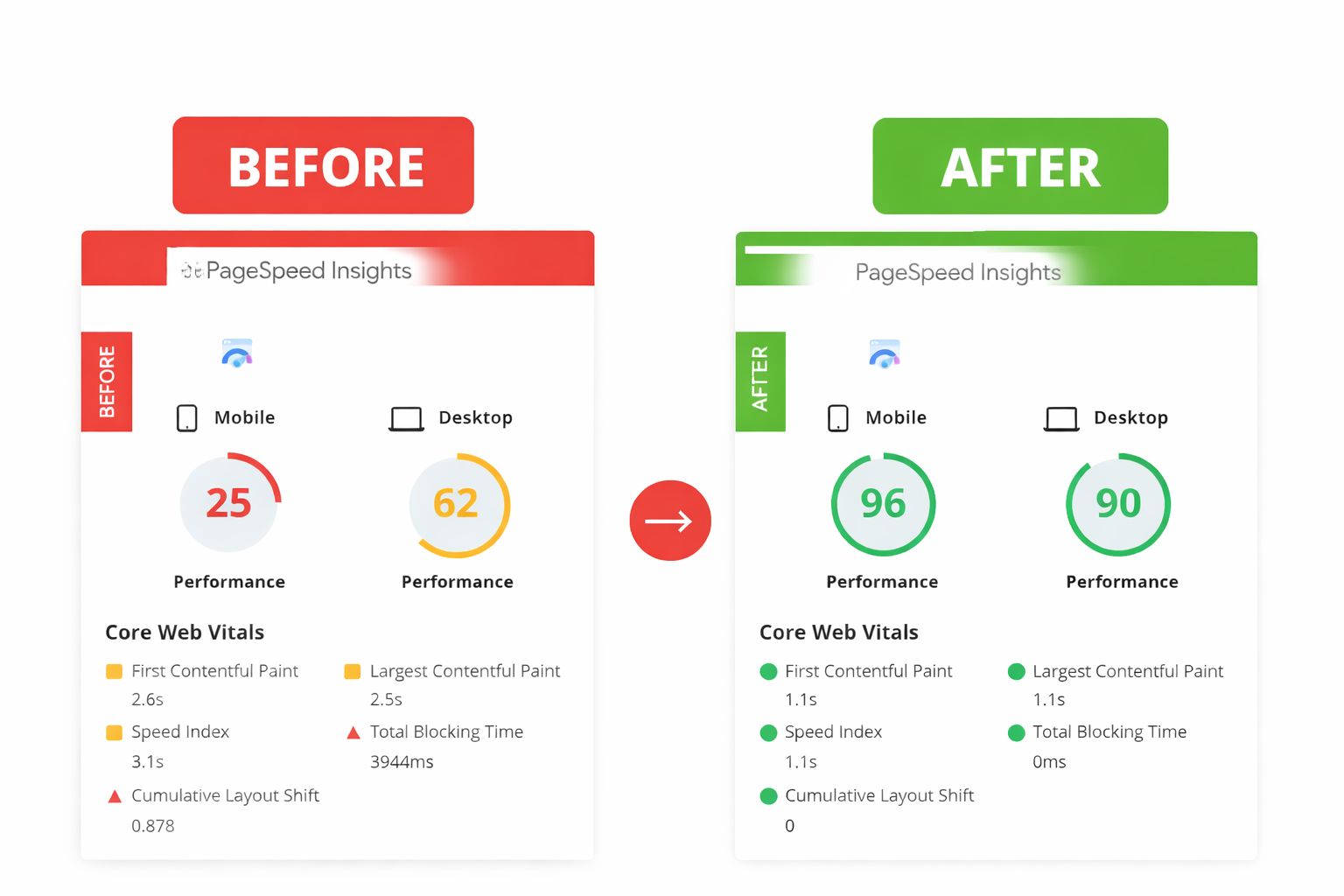
Shopify Speed Optimization Service
Enhance your Shopify store’s performance, reduce load times, and boost user experience for higher SEO rankings and conversions.
Shopify speed optimization simply involves boosting the loading speed of a Shopify store and enhancing its general performance. As part of Shopify Speed Optimization Services, it's all about critical technical tweaks along with best practices that support Shopify Store Speed Optimization, improve Shopify Website Speed Optimization, make your website load faster, function even more efficiently, and contribute to better Shopify Performance Optimization while ultimately enhancing the user experience.
Our 3 Step Shopify Speed Optimization Process
Comprehensive Store Audit
First, a comprehensive audit to spot speed bottlenecks is performed. This includes audits for Core Web Vitals, theme checks, app/script checks, and media checks, as well as checks for load-time blockers.
Optimization Implementation
After pointing out the issues, we use the following optimizations:
- Image & Media Optimization: compression, lazy loading, and faster media delivery.
- App & Script Optimization:remove unnecessary app code, and defer/minify scripts.
- Code Optimization: Optimize the code in terms of Liquid, CSS, and JS to improve the speed.
Testing & Monitoring
After optimizations, we run performance testing and monitor results to confirm improvements. We also provide reports and ensure your store stays fast and responsive on both desktop and mobile.
Simple Ways to Speed Up Your Website Quickly
Website speed directly impacts user experience, SEO rankings, and conversions. Below are proven optimization techniques that can significantly improve loading performance within minutes.
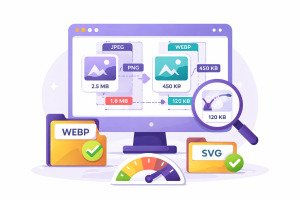
1. Use Next-Gen Image Formats
Modern image formats like WebP and SVG reduce file size without sacrificing visual quality. Compared to JPEG and PNG, next-gen formats load faster and improve First Contentful Paint (FCP) and Largest Contentful Paint (LCP).
Optimizing images and limiting unnecessary visuals can dramatically reduce page weight and improve perceived speed.
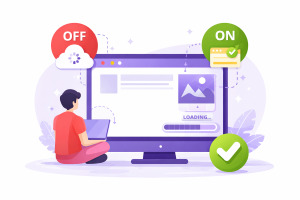
2. Enable Lazy Loading
Lazy loading ensures that images and media are loaded only when they appear in the user’s viewport. This prioritizes critical content and can improve load times by 20–25%.
It also enhances INP and FID scores by reducing unnecessary rendering during initial page load.
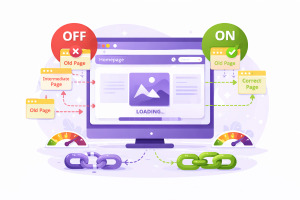
3. Reduce Redirects
Redirects help manage content changes, but excessive redirects create unnecessary request chains that slow down page loading.
Use 301 redirects for permanent URL changes and avoid redirect loops. Ensuring users land directly on the correct page improves speed and SEO stability.
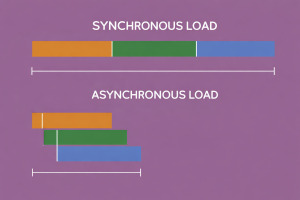
4. Load Resources Asynchronously
Asynchronous loading allows JavaScript and third-party scripts to load independently from critical content, preventing them from blocking page rendering.
This approach can improve page speed by 25–35% and positively impact both FCP and LCP metrics.
5. Reduce the Number of Code Files
Every CSS, JavaScript, and HTML file creates a separate server request. Combining and minifying these files reduces requests and improves loading speed.
Fewer requests lead to better performance scores and a smoother browsing experience.

6. Use a Content Delivery Network (CDN)
A CDN distributes your website content across global servers, delivering files from the closest location to the visitor.
This reduces latency, improves global load times, and boosts FCP and LCP scores.

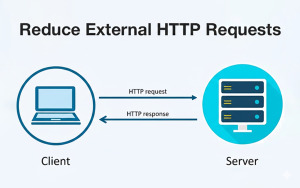
7. Reduce HTTP Requests
Reducing unnecessary images, scripts, and stylesheets minimizes server requests, improving load speed and Core Web Vitals performance.
8. Use Lightweight Themes & Plugins
Lightweight themes and removing unused plugins reduce page bloat and speed up load times, especially on mobile devices.
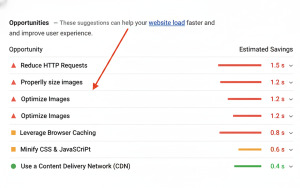
9. Fix Render-Blocking Issues
Optimizing CSS and JavaScript delivery prevents render delays and improves First Contentful Paint and Largest Contentful Paint.
10. Optimize for Mobile Devicess
Responsive layouts, optimized images, and mobile-first design ensure faster load times and better user experience across devices.

Ready to Speed Audit?
Why Shopify Speed Optimization is Crucial for Your Store’s Success?
Shopify speed optimization is an essential part of the success of your store, as it directly impacts user experience, SEO ranking, conversion rate, and mobile performance. As part of Shopify Speed Optimization Services, a fast-loading website keeps customers much more engaged in the shopping experience and reduces bounce rates. It equally enhances the visibility of your store on search engines like Google for increased organic traffic through effective Shopify Website Speed Optimization and Shopify Store Speed Optimization.
Optimizing the speed of your store will further decrease cart abandonment rates, improve conversions, and ensure better mobile usability performance, which is an essential factor for today’s consumers. Moreover, Shopify Performance Optimization and Shopify Page Speed Optimization help improve Core Web Vitals, further aiding the stability and interactivity of your store while positively impacting SEO.
Want to reduce Shopify load time and enhance user experience?
Get a Speed ReviewWhat Our Shopify Speed Optimization Service Includes
1.Enhanced User Experience Optimization
We optimize your Shopify store to ensure fast page loading and smooth navigation. This allows visitors to browse products, add items to the cart, and complete purchases without delays or frustration.
2. SEO Speed Improvements
Our service improves page speed and performance signals that search engines value. By optimizing loading time and Core Web Vitals, we help your store gain better visibility and attract more organic traffic.
3.Conversion Rate Optimization Through Speed
Slow pages can lead to abandoned carts and lost sales. We optimize critical elements to reduce delays, improve responsiveness, and increase the likelihood of visitors completing purchases.
4.Mobile Speed Optimization
We ensure your Shopify store performs efficiently on mobile devices. This includes improving mobile load time, responsiveness, and usability to support higher engagement and mobile conversions.
5.Core Web Vitals Optimization
We optimize key Core Web Vitals metrics—loading performance, interactivity, and visual stability—to improve user experience and support better SEO performance across your store.
6. Ongoing Performance Monitoring & Testing
We continuously test your Shopify store’s speed and performance after optimization. This helps ensure load times remain fast, Core Web Vitals stay within recommended thresholds, and any performance drops caused by theme or app updates are quickly identified.
Boost SEO & Conversion Rates with Faster Shopify Load Times
Optimizing your Shopify store’s speed is one of the most effective ways to improve rankings and increase sales. Here’s how faster load times impact both SEO and conversions:
1. Improved SEO Rankings
Google prioritizes fast-loading sites. Better speed improves Core Web Vitals and helps your store rank higher.
- Faster load times = Higher SEO rankings
- Better rankings = More visibility & traffic
2. Higher Conversion Rates
Speed affects purchases. Even small delays can reduce conversions. Faster pages reduce cart abandonment.
- Faster load times = Higher conversions
- Better experience = More completed purchases
3. Better User Experience
Customers stay longer when pages load fast. More engagement means more trust, retention, and repeat visits.
- Faster websites = Better user experience
- Better experience = Increased loyalty
Not sure why your Shopify store is slow?
Get a Shopify Speed Optimization ReviewWhy Choose Us for Shopify Speed Optimization?
Our team is highly specialized in Shopify speed optimization. With years of experience working specifically with Shopify stores, we have a deep understanding of the platform’s architecture, limitations, and best practices for improving performance. We don’t just apply generic solutions,we know how to make Shopify perform at its best.
We have helped hundreds of Shopify store owners achieve faster load times, improve Core Web Vitals, and boost their SEO rankings. Our optimization efforts have resulted in measurable improvements such as faster page load speeds, reduced bounce rates, and higher conversion rates.
Every Shopify store is unique, and so are its speed optimization needs. We offer customized strategies based on your store’s size, structure, and specific goals. Whether you’re running a small boutique or a large-scale eCommerce business, we’ll design an optimization plan that fits your needs, delivering the best possible performance improvements tailored to your business objectives.
Our Shopify Services
Our Shopify services help store owners fix technical issues, improve speed, increase search visibility, and boost conversions. From Shopify SEO indexing fixes and performance optimization to theme customization, migration, and emergency store recovery — our experts deliver results-driven solutions.
Shopify Indexing Fix Services
Fix coverage, canonical, robots, sitemap & GSC issues.
Shopify Speed Optimization
Core Web Vitals, asset cleanup, lazy-load, app bloat removal.
Shopify Store Migration
Safe move from Woo/BigCommerce/Magento + redirects.
Shopify Conversion Rate Optimization
Improve UX, PDP/collection flows, cart & checkout funnels.
Shopify Payment Gateway & Shipping Setup
Configure gateways, rates, zones, taxes, and rules cleanly.
Shopify Theme Customization & Bug Fixes
Liquid edits, sections, layout fixes, and responsive cleanup.
Shopify Subscription & Recurring Orders
Recharge / Appstle setup, logic, styling & testing.
Shopify Broken Link & 404 Error Fixing
Redirect mapping, broken collections/products, cleanup.
Shopify Database Optimization
Speed up store by reducing heavy queries and app overhead.
Shopify Hosting & Server Optimization
CDN, caching strategy, DNS, image delivery improvements.
Shopify Store Recovery & Emergency Support
Broken theme, checkout issues, critical errors & rollback.
Shopify Checkout & Payment Error Fix
Fix gateway errors, order failures, tax/shipping issues.
Shopify Security Audit Service
Detect vulnerabilities, risky apps, and security gaps. Get a clear action plan.
Shopify API Integration Error Fix
Fix API sync issues, webhook errors, connection failures, and data mismatch problems.
Shopify Admin Access & Permission Fix
Restore admin access, fix staff permissions, collaborator issues, and login blocks.
Shopify Email Deliverability & SPF/DKIM Setup
Fix email deliverability issues, configure SPF, DKIM, and DMARC to prevent spam and improve inbox placement.
Shopify Tracking & Analytics Setup
Accurate setup of Google Analytics, GA4, Facebook Pixel, conversion tracking, and event tracking.
Shopify SEO Technical Fixes Service
Resolve technical SEO issues like indexing errors, site speed, structured data, and crawl problems.
Shopify App Installation & Conflict Resolution
Install, configure, and fix conflicts between Shopify apps that slow down or break your store.
Shopify AI Chatbot Setup Services
Transform your Shopify store with intelligent AI chatbot solutions that automate customer support, boost conversions, and deliver seamless shopping experiences 24/7.