




Archive for August, 2023
Mastering SEO Link Building: 8+ Simple Tips for Success
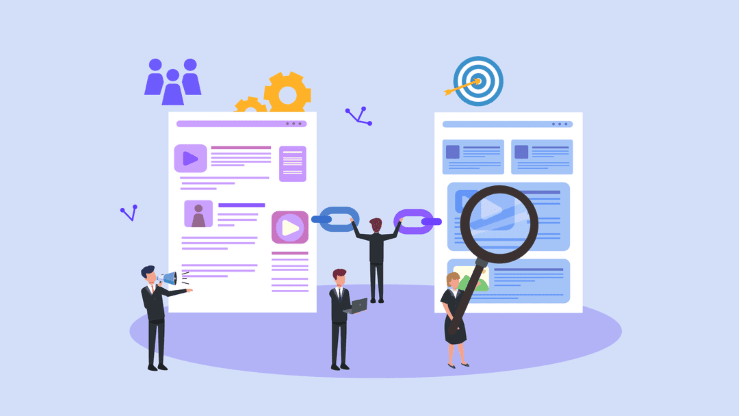
In the dynamic world of Search Engine Optimization (SEO), link building remains a fundamental strategy to boost your website’s authority and rankings. While it may seem intricate, mastering SEO link building can be achieved through a combination of simple yet effective techniques. This guide presents a collection of straightforward tips to help you navigate the art of link building and enhance your website’s online presence.
1. High-Quality Content Creation: The Foundation of Link Building
Creating valuable and informative content naturally attracts backlinks from authoritative sources. Focus on producing content that addresses your audience’s needs and offers unique insights.
2. Guest Posting: Forge Partnerships and Build Links
Contribute guest posts to reputable websites within your niche. By sharing your expertise, you not only gain exposure but also earn valuable backlinks to your website.
3. Manual Outreach: Build Relationships and Earn Backlinks
Reach out to other website owners, bloggers, and influencers in your industry. Building genuine relationships can lead to backlink opportunities through collaboration.
4. Broken Link Building: Turn Errors into Opportunities
Identify broken links on relevant websites and offer your content as a replacement. This method provides value to website owners while earning you valuable backlinks.
5. Skyscraper Technique: Elevate Your Content
Identify popular content in your niche, create something even more valuable, and then reach out to websites that are linked to the original content, offering them your improved version.
6. Resource Link Building: Position Yourself as a Resource
Create comprehensive guides, infographics, or tools that are useful to your target audience. Other websites may naturally link to these resources, establishing your website as a valuable reference.
7. Internal Linking: Harness the Power Within
Utilize internal links to connect related content within your website. This enhances user experience and helps search engines understand your content’s structure.
8. Social Media Promotion: Amplify Your Content
Promote your content on social media platforms to increase its visibility. When your content gains traction, it’s more likely to be shared and linked by others.
9. Earning Backlinks through Relationships: Networking Pays Off
Building relationships with industry peers, bloggers, and influencers can lead to natural backlink opportunities as they recognize your expertise.
10. Directory Submissions: Choose Reputable Directories
Submit your website to high-quality, relevant directories. Be selective and opt for directories that are trusted and reputable within your niche.
Mastering SEO link building doesn’t have to be daunting. By implementing these simple yet effective techniques, you can enhance your website’s authority, visibility, and search engine rankings. Remember, the key is to focus on creating valuable content, fostering relationships, and strategically promoting your website to earn high-quality backlinks that will contribute to your online success.
Link Building for SEO: A Comprehensive Beginner’s Guide
In the realm of Search Engine Optimization (SEO), link building holds a central role in boosting a website’s visibility, authority, and rankings. For beginners venturing into the world of SEO, understanding the nuances of link building is essential. This comprehensive guide provides a step-by-step introduction to link building, its significance, strategies, and how it contributes to enhancing your website’s online presence.
The Importance of Link Building in SEO
1. Building Digital Bridges: Links serve as connections between different web pages, facilitating navigation and helping search engines discover content.
2. Enhancing Authority: High-quality backlinks from authoritative websites signal to search engines that your content is valuable and trustworthy.
Link Building Strategies for Beginners
1. Quality over Quantity:
– Focus on obtaining high-quality backlinks from reputable websites rather than pursuing a large quantity of low-quality links.
2. Content Creation and Promotion:
– Craft compelling and valuable content that naturally attracts links from other websites in your niche.
Types of Link Building
1. Natural Links:
– Earned through the merit of your content, these are the most valuable and sustainable links.
2. Manual Outreach:
– Actively reach out to other website owners, bloggers, and influencers to request backlinks to your content.
3. Guest Posting:
– Contribute high-quality articles to other websites in exchange for a backlink to your own site.
4. Social Media and Forums:
– Participate in relevant online communities to share your expertise and attract natural backlinks.
Link Quality and Relevance
1. Relevance Matters:
– Aim for backlinks from websites that are relevant to your industry or content niche.
2. Diverse Anchor Text:
– Use a variety of anchor text to ensure natural linking patterns and avoid over-optimization.
Avoiding Link Building Pitfalls
1. Avoid Paid Links:
– Google penalizes websites for using paid links that manipulate search rankings.
2. Steer Clear of Link Farms:
– Refrain from participating in link schemes or link exchange networks that can harm your website’s credibility.
Measuring Link Building Success
1. Google Search Console:
– Monitor your website’s backlink profile and track new links using Google Search Console.
2. Backlink Analysis Tools:
– Utilize tools like Ahrefs, Moz, and SEMrush to gain insights into your backlink profile and track competitor backlinks.
The Future of Link Building
1. Quality Continues to Prevail:
– Search engines will increasingly prioritize high-quality, contextually relevant backlinks.
2. Focus on E-A-T:
– Expertise, Authoritativeness, and Trustworthiness will remain critical factors in link evaluation.
Link building is a cornerstone of effective SEO, but it’s not about chasing after numerous links. Instead, it’s about cultivating meaningful relationships with other websites and providing value to your audience. As a beginner, understanding the basics of link building, focusing on quality and relevance, and avoiding common pitfalls will set you on the path to establishing a strong online presence, enhancing your website’s authority, and ultimately achieving improved search engine rankings.
Organic traffic & link building for small businesses
Organic traffic and link building are essential components of a successful online presence for small businesses. Organic traffic refers to the visitors who come to your website through unpaid search engine results, while link building involves acquiring high-quality backlinks to your website from other reputable sites. Here’s how small businesses can effectively leverage these strategies:
Organic Traffic:
- Keyword Research: Identify relevant keywords and phrases related to your products or services. Use tools like Google Keyword Planner to find keywords with decent search volume and lower competition.
- On-Page SEO: Optimize your website’s pages for the identified keywords. This includes optimizing meta titles, descriptions, headings, and content to make them relevant and engaging for both users and search engines.
- Quality Content: Regularly create high-quality, informative, and engaging content that addresses the needs and interests of your target audience. This can include blog posts, articles, infographics, videos, and more.
- User Experience (UX): Ensure your website is user-friendly and easy to navigate. A well-designed website with fast loading times and clear navigation enhances user experience and can lead to higher search engine rankings.
- Mobile Optimization: With the increasing use of mobile devices, having a mobile-friendly website is crucial. Google considers mobile-friendliness as a ranking factor.
- Local SEO: If you’re a local business, optimize for local searches. Create a Google My Business listing and ensure your NAP (Name, Address, Phone Number) information is consistent across online directories.
Link Building:
- Content Quality: Develop high-quality content that other websites will want to link to naturally. This could be in the form of educational blog posts, industry reports, infographics, or how-to guides.
- Guest Blogging: Write guest posts for relevant and authoritative websites in your industry. Include a link back to your website within the author’s bio or content, if allowed.
- Outreach: Reach out to bloggers, influencers, and webmasters in your niche. Offer to collaborate on content or projects that can lead to backlinks.
- Broken Link Building: Identify broken links on other websites, and suggest your content as a replacement. This provides value to the website owner and can result in a backlink for you.
- Resource Pages: Find resource pages or lists of helpful websites in your industry. Reach out to the website owners and ask to be included if your content is relevant.
- Social Media: Share your content on social media platforms to increase its visibility and the chances of others linking to it.
- Directories and Local Listings: Submit your business to relevant online directories and local business listings. While these may not always be high-authority backlinks, they can still contribute to your online presence.
Remember that both organic traffic and link building are long-term strategies. Consistency and patience are key. As your website gains authority and backlinks, it’s likely to see improvements in search engine rankings and an increase in relevant organic traffic.
Blogroll
Categories
Recent Posts
Recent Comments
Archives
- December 2023
- November 2023
- October 2023
- September 2023
- August 2023
- June 2023
- May 2023
- April 2023
- March 2023
- February 2023
- October 2020
- January 2020
- January 2017
- January 2016
- July 2014
- June 2014
- May 2014
- April 2014
- December 2012
- October 2012
- July 2012
- May 2012
- April 2012
- March 2012
- February 2012
- January 2012
- December 2011
- November 2011
- October 2011
- September 2011
- August 2011
- May 2011
- April 2011
- July 2010
- December 2009
- March 2009
- February 2009
- January 2009
- December 2008
- November 2008
- October 2008
- September 2008
- August 2008
- July 2008
- June 2008
- May 2008
- April 2008
- March 2008