




Uncategorized
AI bots in SEO: To block, or not to block

The use of AI bots in SEO (Search Engine Optimization) is a topic that has generated much discussion and debate in the digital marketing community. Whether to allow or block AI bots largely depends on the specific context and goals of a website. Here are some considerations for both options:
Allowing AI Bots:
1. Improved Indexing: AI bots, such as those used by search engines like Google, are designed to crawl and index web pages more efficiently. Allowing them can lead to better visibility in search results.
2. Bot Identification: AI bots from reputable sources usually identify themselves through their user-agent strings. This allows website owners to distinguish them from malicious bots.
3. Facilitates Natural Language Processing (NLP): Search engines use AI-driven algorithms for NLP to understand content. Allowing bots can help them better understand and categorize the content on your site.
4. Benefits for User Experience: AI-driven search engines may use data from crawling to provide users with better search results and more relevant content.
Blocking AI Bots:
1. Privacy Concerns: Some website owners may be concerned about the data collection practices of AI bots. They might want to limit the information these bots gather from their site.
2. Resource Usage: Allowing bots to crawl a site consumes server resources. For smaller or less powerful servers, this could potentially lead to performance issues.
3. Protection Against Scraping: Some websites may want to protect their content from being scraped or duplicated by third parties, which could potentially happen if bots are allowed unrestricted access.
4. Avoiding Unwanted Traffic: Bots can generate traffic that may not be beneficial for all websites. For example, a staging site or a private blog may not want to be indexed by search engines.
Middle Ground: Controlled Access
Some websites choose a middle ground by implementing measures to control bot access. This might include setting up specific directives in the robots.txt file, implementing CAPTCHAs, or using tools to monitor and manage bot activity.
Conclusion:
Ultimately, the decision to allow or block AI bots should be based on the specific goals, content, and privacy considerations of a website. It’s important to strike a balance between optimizing for search visibility and protecting the interests of the website and its users. Regularly reviewing analytics data and staying informed about best practices in SEO and bot management is crucial for making informed decisions.
How to find your niche in SEO

In the dynamic world of Search Engine Optimization (SEO), finding your niche is a pivotal step towards establishing yourself as an authority in a specific area. While the SEO landscape is vast and ever-evolving, identifying and specializing in a niche allows you to focus your efforts, target a specific audience, and ultimately stand out in a crowded field. In this comprehensive guide, we’ll explore the steps and strategies to help you find and thrive in your SEO niche.
I. Understand the SEO Landscape
1. Broad vs. Specialized Knowledge:
– Recognize the difference between having a general understanding of SEO and possessing specialized knowledge in a particular niche.
2. Emerging Trends and Industries:
– Stay updated with the latest trends and emerging industries that present opportunities for niche specialization.
II. Assess Your Interests and Expertise
1. Passion and Curiosity:
– Identify areas within SEO that genuinely interest you. Your passion will drive you to delve deeper and excel in your chosen niche.
2. Previous Experience:
– Consider any prior experience or expertise you may have in specific industries or topics. This can be a valuable starting point for niche selection.
III. Conduct In-Depth Market Research
1. Keyword Analysis:
– Utilize tools like Google Keyword Planner or Ahrefs to identify keywords and search queries related to potential niches. Look for areas with high search volume and relatively low competition.
2. Competitor Analysis:
– Analyze competitors in different niches to assess their strengths, weaknesses, and market share. Identify areas where you can potentially offer unique value.
IV. Identify Pain Points and Needs
1. Addressing Specific Problems:
– Look for pain points or challenges within your chosen niche. Your expertise should aim to provide solutions and valuable insights.
2. Target Audience Understanding:
– Gain a deep understanding of the target audience associated with your chosen niche. Know their preferences, behaviors, and the content they seek.
V. Test and Validate Your Niche
1. Pilot Projects or Content:
– Create sample content or small projects within your chosen niche to gauge interest and gather feedback.
2. Monitor Engagement and Feedback:
– Pay attention to metrics, user engagement, and feedback to assess the viability and potential for growth in your chosen niche.
VI. Establish Your Authority and Brand
1. Content Creation and Promotion:
– Develop high-quality, informative content that showcases your expertise in the chosen niche. Promote it through various channels to build your brand presence.
2. Networking and Collaboration:
– Connect with influencers, experts, and communities within your niche. Collaborate on projects or engage in discussions to establish yourself as a trusted authority.
Finding your niche in SEO is a strategic process that requires a combination of market research, self-assessment, and a genuine passion for the chosen area. By understanding the SEO landscape, assessing your interests and expertise, conducting thorough research, and validating your niche, you can carve out a distinct path in the competitive world of SEO. Remember, becoming a niche expert is a journey that requires continuous learning, adaptation, and a commitment to providing value to your audience.
Google to explore alternatives to robots.txt in wake of generative AI and other emerging technologies

Google had been considering alternatives to the traditional robots.txt protocol in response to evolving technologies and challenges, including generative AI and their impact on web crawling and indexing. Here are some key points regarding this development:
1. Generative AI Challenges: Generative AI, which can create web content, poses challenges for webmasters and search engines. Traditional robots.txt rules may not effectively control access to such content because AI-generated pages may not follow the rules as expected.
2. Need for Improved Control: Webmasters and website owners require more effective ways to control access to their content and specify which parts of their websites should be crawled or indexed.
3. Ongoing Discussions: Google has been actively engaging with the web community, including webmasters and developers, to explore potential alternatives to robots.txt. They have sought input on new standards that can address the challenges posed by emerging technologies.
4. Transparency and Consistency: Any alternative to robots.txt should prioritize transparency, allowing webmasters to communicate their preferences to search engines while also ensuring consistency and clarity in how rules are interpreted and implemented.
5. W3C Involvement: Google’s discussions on alternatives to robots.txt have involved collaboration with the World Wide Web Consortium (W3C), a global community that develops web standards. This collaboration aims to establish industry-wide solutions.
6. Stay Informed: Given the evolving nature of technology and web standards, it’s essential for webmasters, SEO professionals, and website owners to stay informed about updates and changes related to robots.txt and alternative mechanisms for controlling access to web content.
Please note that developments related to robots.txt and alternatives may have occurred since my last update in September 2021. To get the most current information on this topic, I recommend checking Google’s official announcements and webmaster resources, as well as monitoring industry discussions and updates from organizations like the W3C.
SEO Is Everyone’s Responsibility: 5 Tips to Get Non-SEOs Bought Into SEO
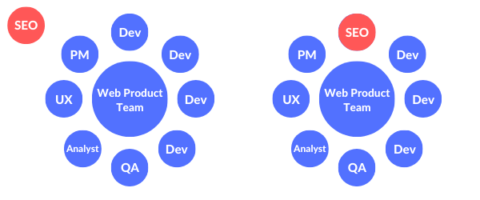
Search Engine Optimization (SEO) is a critical aspect of digital marketing that goes beyond the boundaries of a specialized SEO team. In today’s interconnected digital landscape, everyone within an organization can contribute to SEO success. Convincing non-SEOs of the importance of SEO and getting them on board is a crucial step toward achieving comprehensive and effective optimization. This article offers five strategies to engage non-SEO team members in supporting and understanding the significance of SEO efforts.
1. Educate on SEO Fundamentals
Laying a strong foundation requires imparting basic SEO knowledge to non-SEOs. Host workshops or informational sessions explaining what SEO is, how search engines work, and why it matters for the organization’s online visibility and growth. Demonstrate how SEO directly influences website traffic, lead generation, and revenue. By providing a clear understanding of SEO’s impact, you can spark interest and curiosity among non-SEOs.
2. Highlight Personal Benefits
Help non-SEOs see the personal benefits of embracing SEO practices. Explain that improved search visibility not only benefits the company but also enhances their individual work and professional development. When their contributions lead to better online exposure, it reflects positively on their efforts and expertise. Emphasize that SEO skills are transferable and valuable in today’s digital economy.
3. Connect SEO to Business Goals
Showcase the alignment between SEO and the organization’s broader business objectives. Illustrate how increased online visibility drives more qualified leads, customer engagement, and revenue. Share success stories of companies that have significantly grown their business through effective SEO strategies. When non-SEOs recognize how their contributions directly impact the bottom line, they are more likely to invest their efforts in SEO-related tasks.
4. Simplify and Collaborate
Demystify the complexities of SEO by breaking it down into actionable steps that non-SEOs can easily understand and contribute to. Collaborative efforts could include optimizing content for relevant keywords, enhancing website performance for better user experience, and implementing basic on-page optimization practices. Provide user-friendly tools, guides, and checklists that empower non-SEOs to take meaningful actions without feeling overwhelmed.
5. Celebrate Small Wins
Acknowledge and celebrate the achievements of non-SEOs who actively participate in SEO initiatives. Recognize their efforts through internal communications, team meetings, or even small rewards. Celebrating small wins not only boosts morale but also reinforces the idea that SEO is a collective effort that yields tangible results. Positive reinforcement encourages sustained engagement over time.
In the modern digital landscape, SEO is not just the responsibility of a specialized team; it’s a collective effort that involves everyone within an organization. Convincing non-SEOs of the value of SEO requires education, clear communication, and a focus on the benefits that both the organization and individuals can reap. By educating non-SEOs about the fundamentals, highlighting personal benefits, connecting SEO to business goals, simplifying tasks, and celebrating successes, you can foster a culture where everyone is actively invested in and contributing to the success of SEO initiatives. Ultimately, a collaborative approach to SEO ensures that the organization is well-positioned for sustained online growth and success.
Understanding realistic SEO timeline
Understanding and explaining a realistic SEO timeline is crucial for managing expectations and setting achievable goals for your website’s search engine optimization efforts. SEO is a long-term strategy that requires patience and consistent effort. Here’s how to approach and explain a realistic SEO timeline:
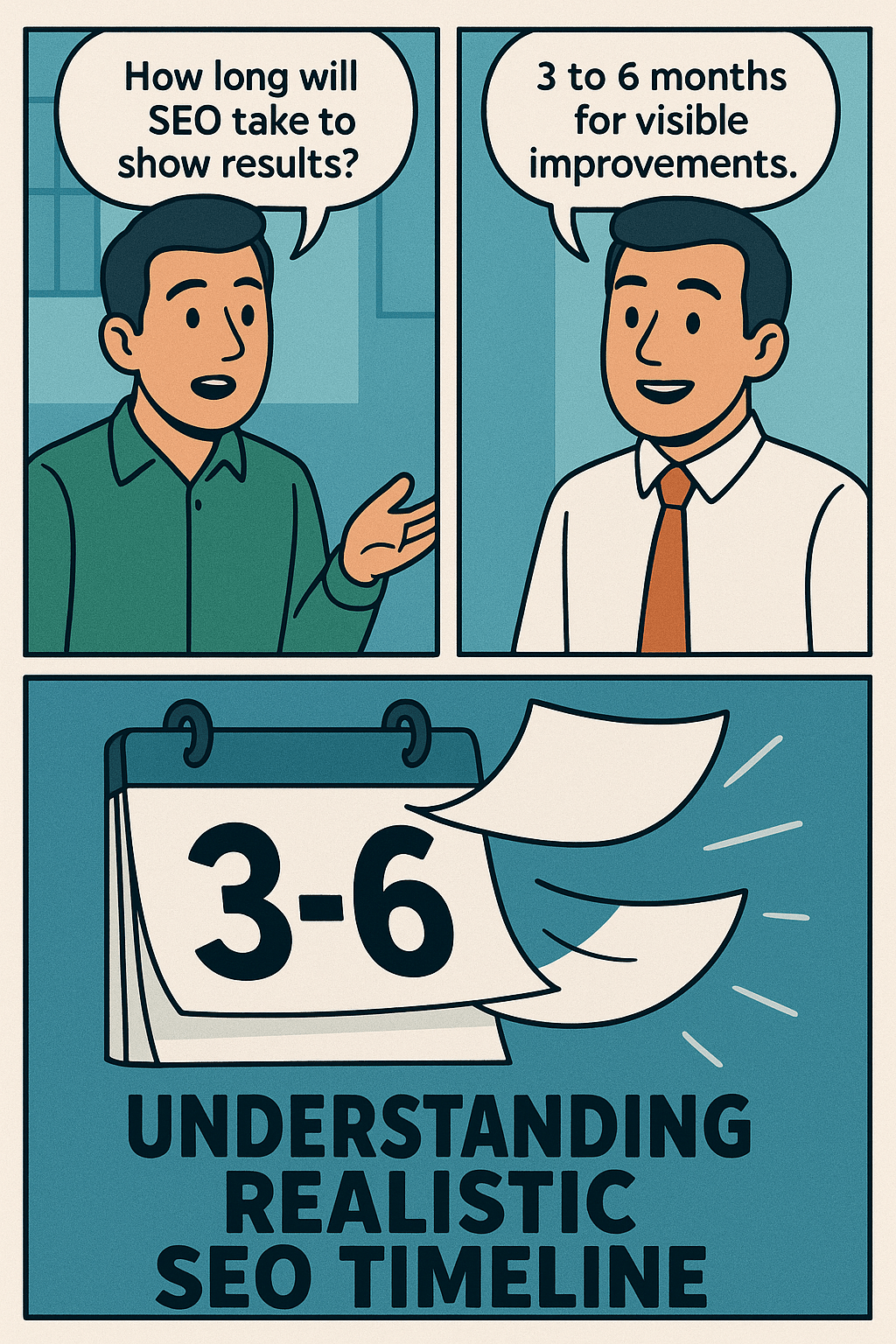
1. Initial Research and Analysis (1-2 Months):
- During this phase, conduct thorough keyword research and competitor analysis.
- Understand your target audience, identify relevant keywords, and assess the competitive landscape.
2. On-Page Optimization (2-3 Months):
- Optimize your website’s on-page elements, such as meta titles, meta descriptions, headings, and content.
- Address technical issues, improve page load speed, and ensure mobile-friendliness.
3. Content Creation and Promotion (Ongoing):
- Regularly create high-quality, informative, and engaging content targeting relevant keywords.
- Share content through social media, email newsletters, and other channels to attract backlinks and increase visibility.
4. Link Building (Ongoing):
- Build high-quality backlinks from authoritative and relevant websites over time.
- Focus on ethical link-building practices to avoid penalties from search engines.
5. Monitoring and Analytics (Ongoing):
- Continuously monitor your website’s performance using tools like Google Analytics and Google Search Console.
- Track keyword rankings, organic traffic, bounce rates, and other key metrics.
6. Initial Results and Progress (4-6 Months):
- By this point, you may start to see some improvements in your rankings and organic traffic.
- It’s important to emphasize that SEO is a gradual process and that results will continue to improve over time.
7. Consistent Efforts (6-12 Months and Beyond):
- Continue optimizing your website, creating valuable content, and building high-quality backlinks.
- SEO is an ongoing effort, and maintaining your website’s visibility requires consistent attention.
8. Long-Term Growth (12+ Months):
- With sustained effort, your website’s rankings, organic traffic, and domain authority should continue to grow.
- Long-term commitment to SEO can result in stable and valuable online visibility.
Important Points to Explain:
Stress that SEO is not a quick-fix solution. It takes time for search engines to recognize and reward your efforts.The time required for results can vary depending on factors like industry competitiveness and keyword difficulty.Emphasize that search engine algorithms change, and adjustments might be needed to adapt to these changes.SEO aims for long-term, sustainable growth, and short-term gains through unethical practices can lead to penalties.Help stakeholders understand that metrics like organic traffic, keyword rankings, and conversion rates are more meaningful indicators of success than immediate top rankings.By providing a clear and realistic SEO timeline, you can set proper expectations and ensure that your SEO strategy is built on a solid foundation for long-term success.
Death of Google updates and all the fun around it
Google updates are dead-Death of Google updates and all the fun around it.
I have been with Google and other search engines for the past 15 years. Over the years I enjoyed seeing all the updates Google makes to their algorithm. Whether it is PageRank update or core algorithm update, the buzz Google creates in webmaster and SEO community is huge. Starting with the big Florida update in 2013 to a number of Panda and Penguin updates Google has always kept SEO community on the edge of their seat.
Initially Google updates were called Google dances.
Few noticeable updates
Boston update
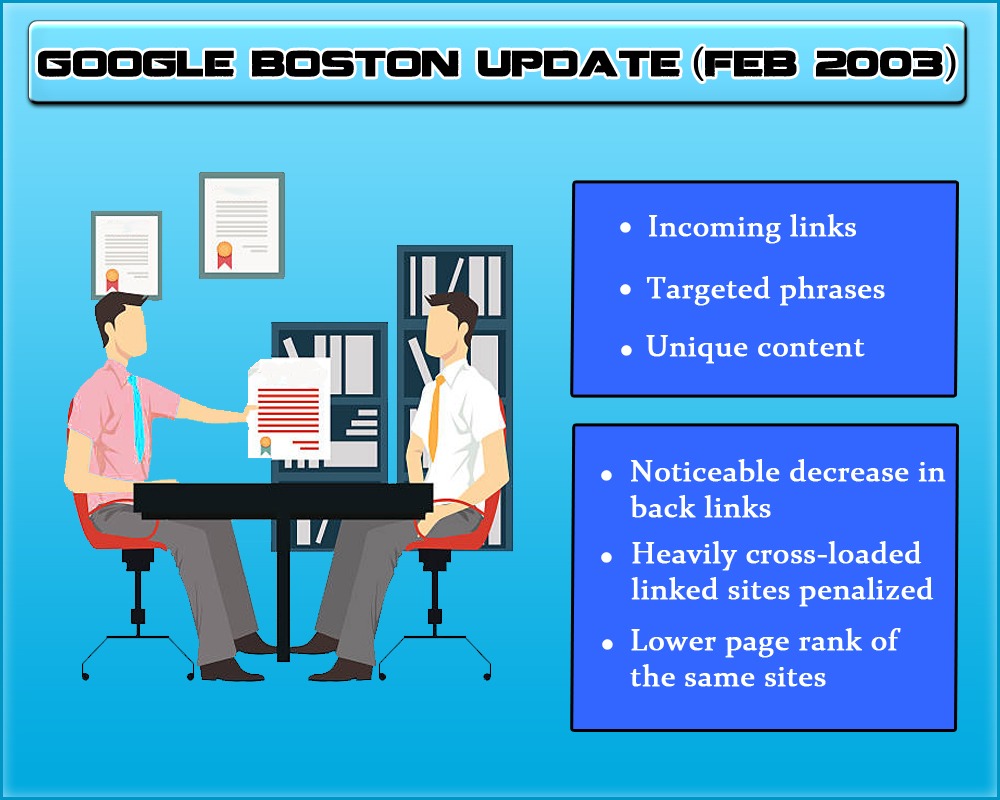
Google Boston Update
Cassandra Update
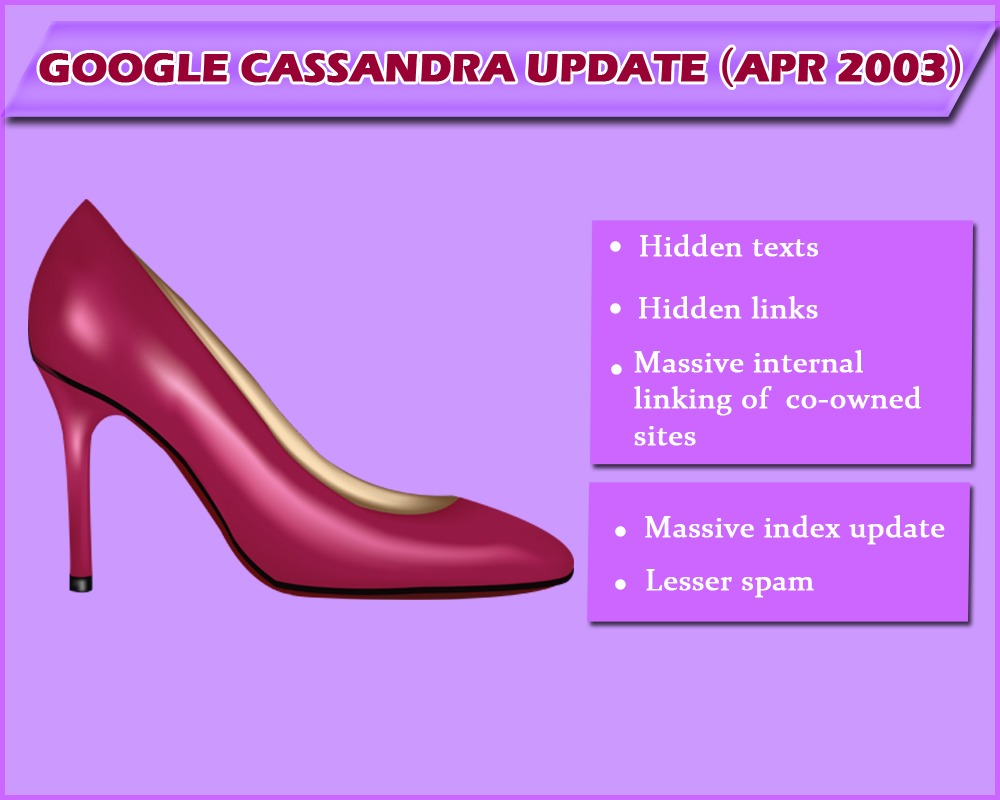
Google Cassandra Update
Dominic Update
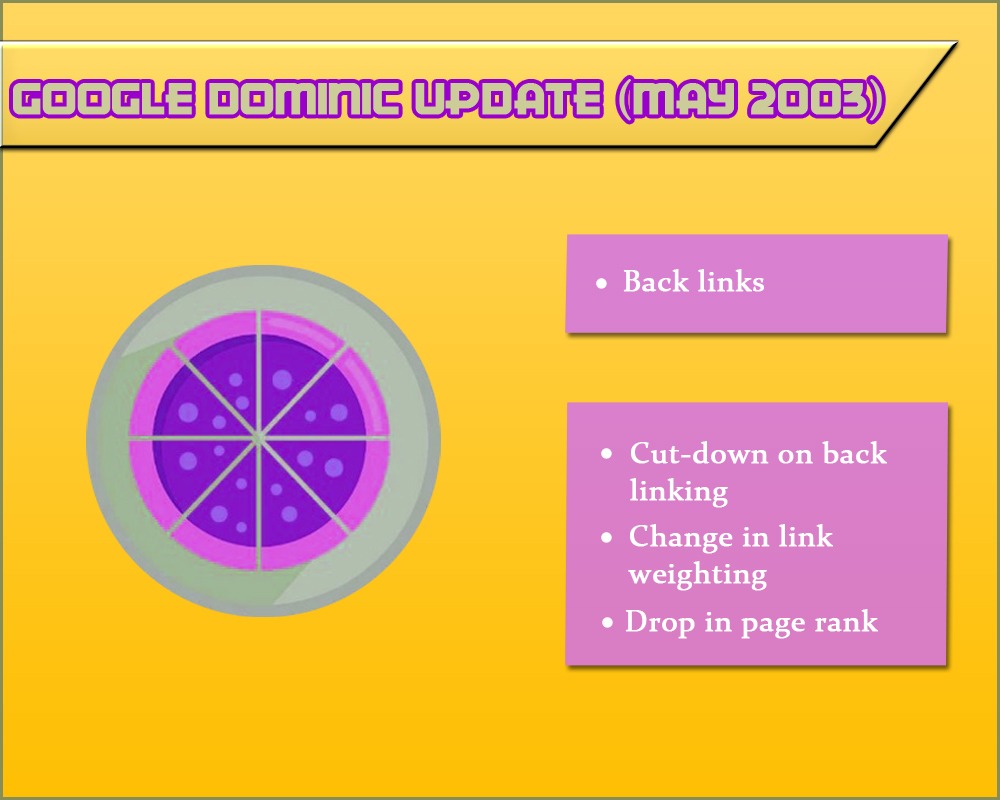
Google Gominic Update
Esmeralda Update
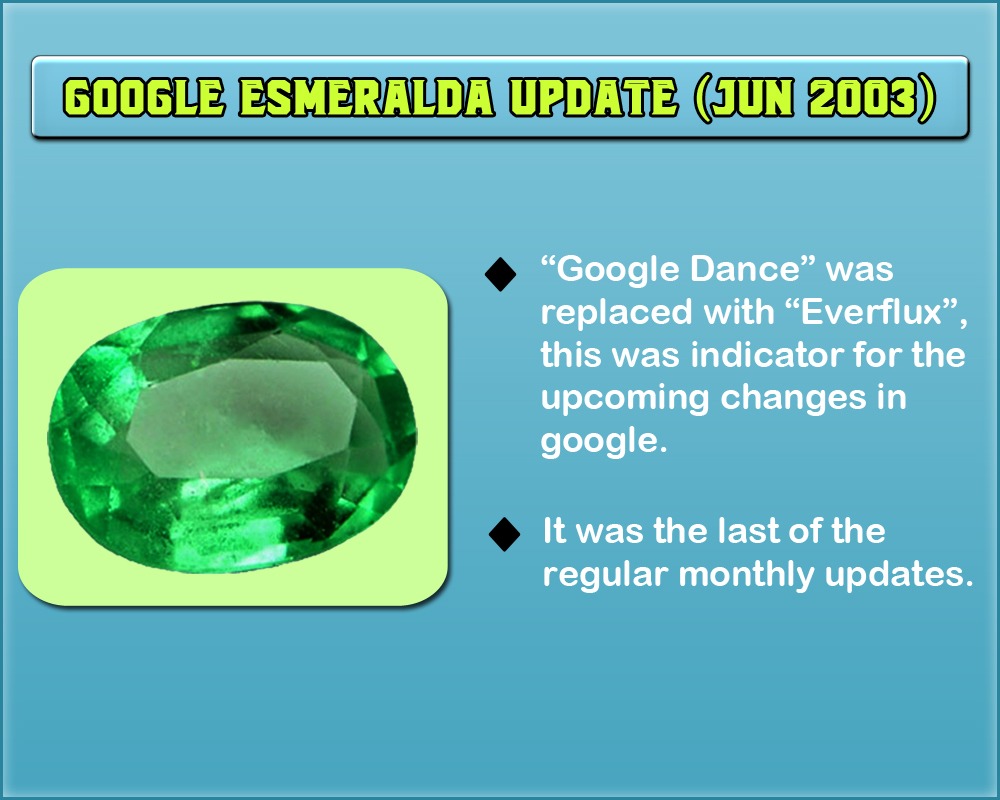
Google Esmeralda Update
Fritz update
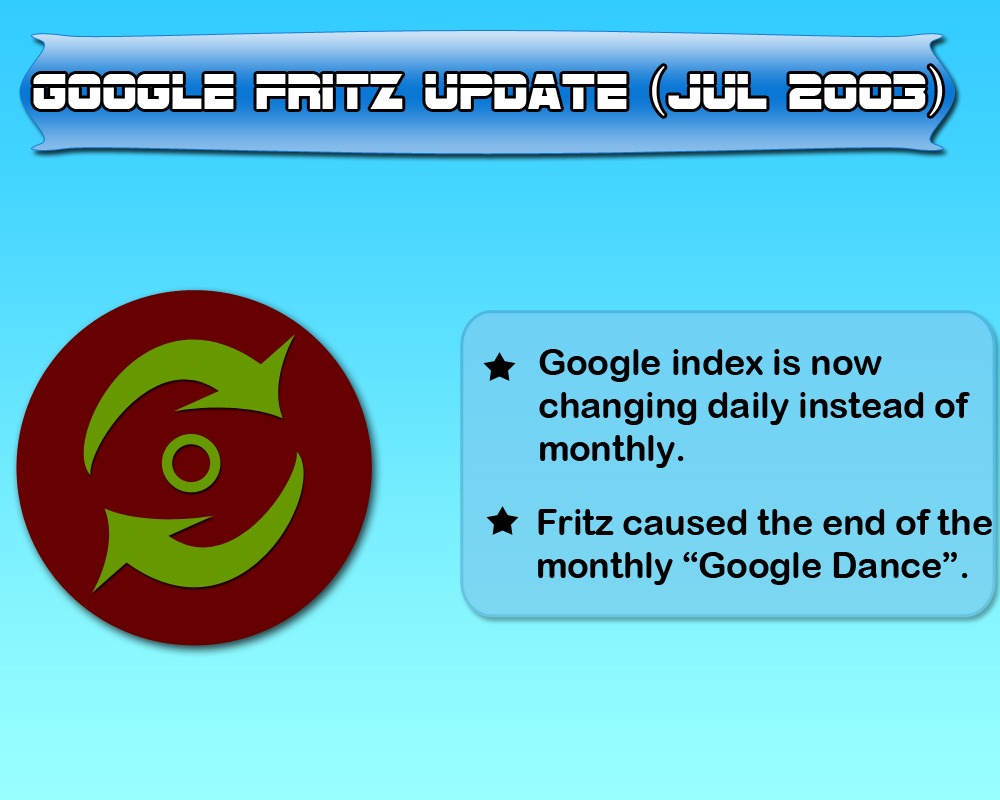
Google Fritz Update
Florida Update ( Biggest update in early 2000s.)
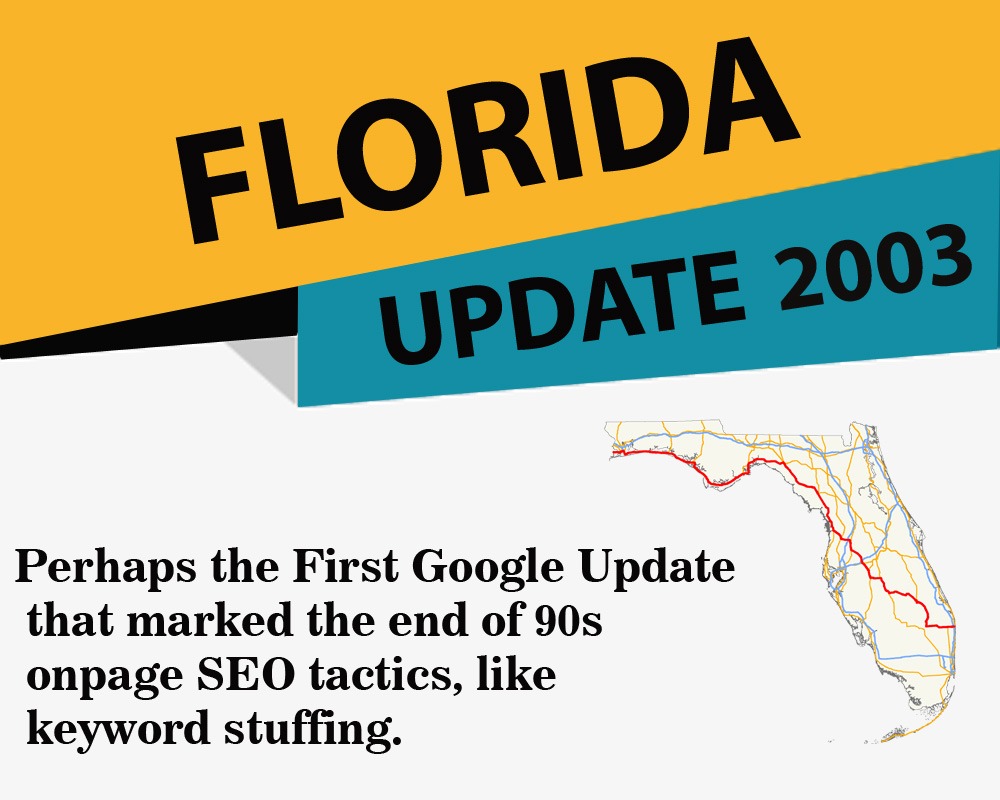
Google Florida Update
Austin Update
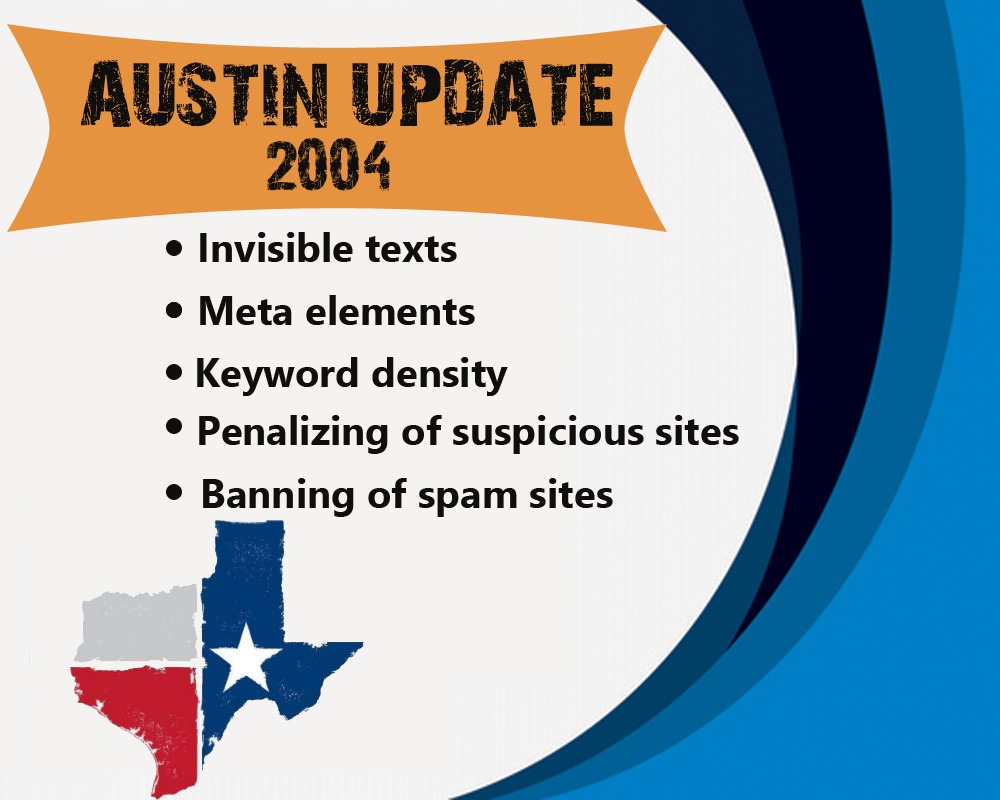
Google Austin Update
Brandy Update

Google Brandy Update
Big Daddy update
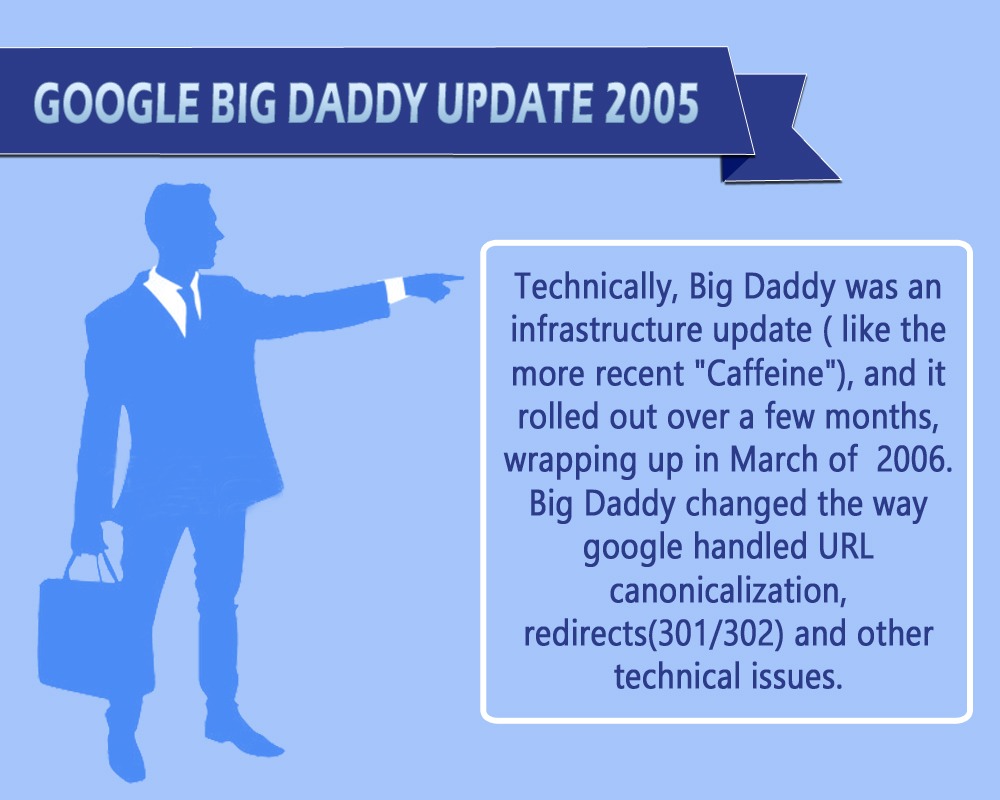
Google Big Daddy Update
Dewey Update
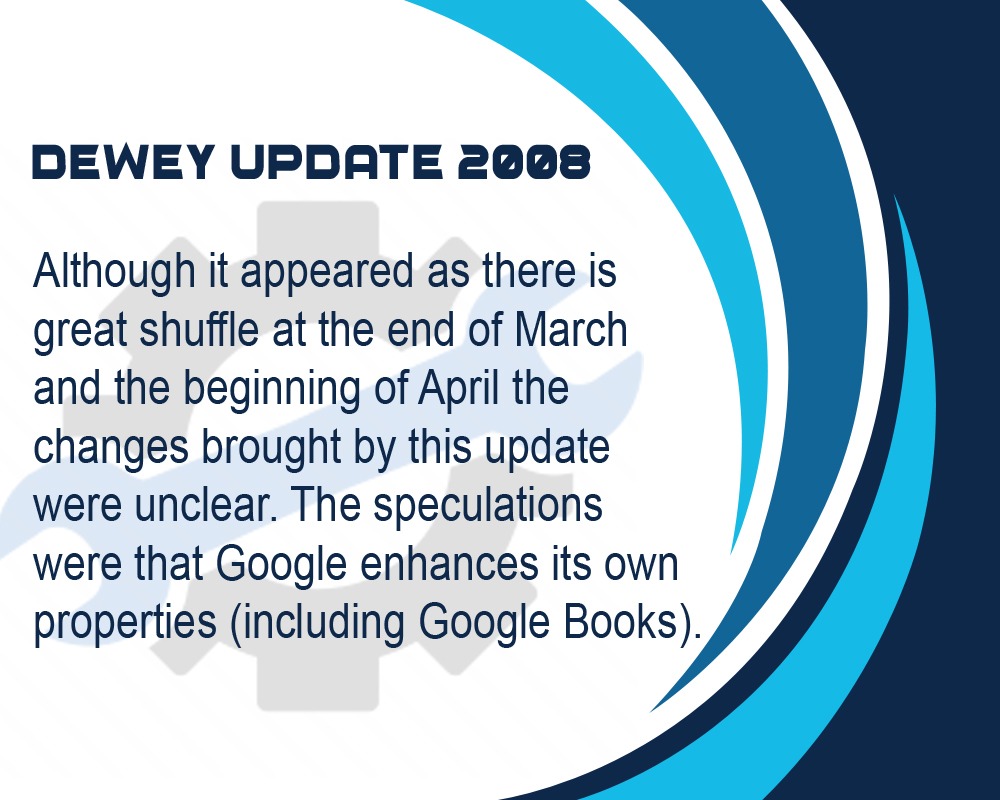
Google Dewey Update
Caffeine Update
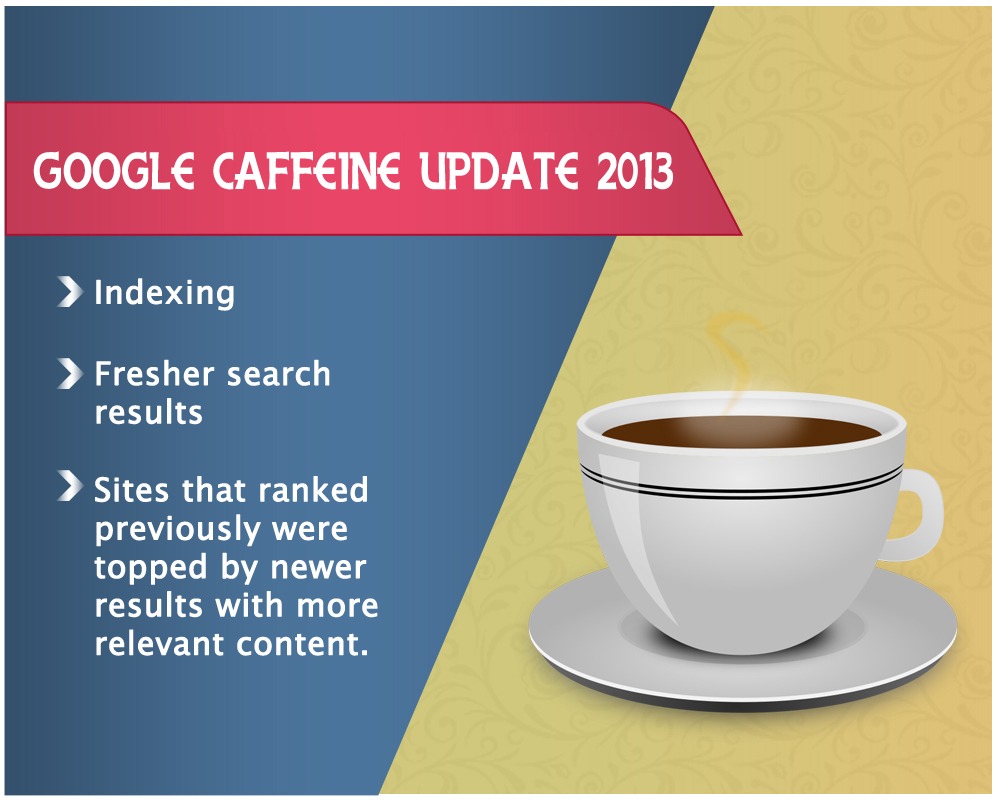
Google Caffeine Update
Hummingbird Google update
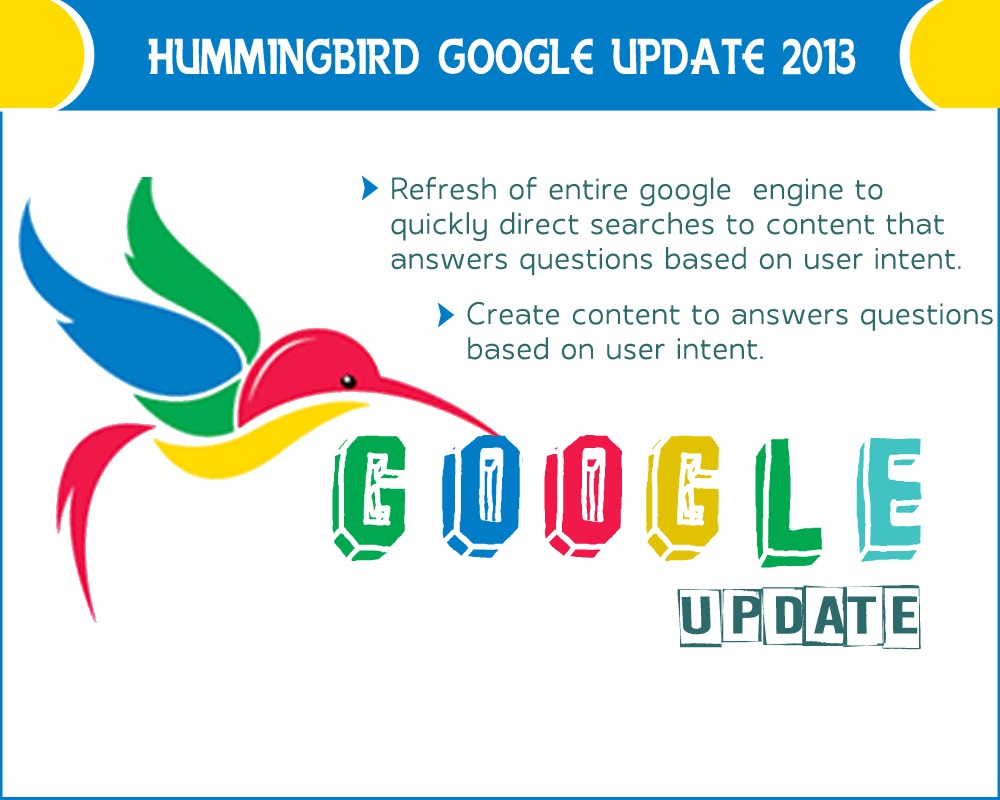
Google Hummingbird Update
Payday Update
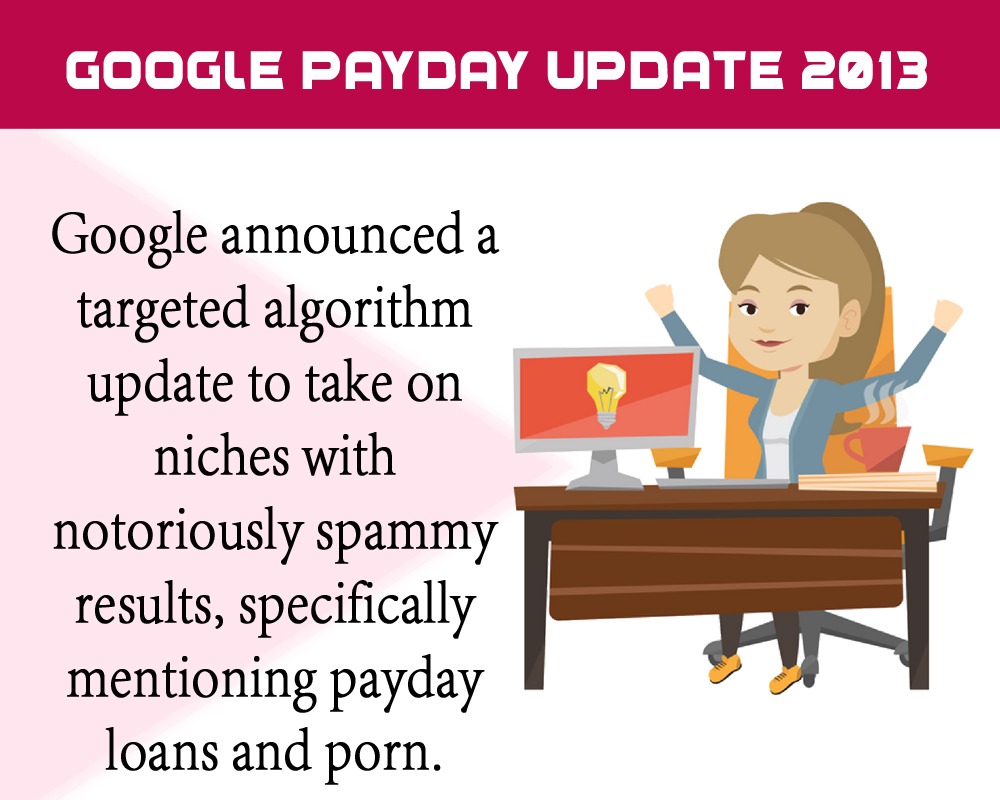
Google Payday Update
Panda Update
Then came the big killer of onpage SEO spam! Panda update. This is the most important update Google ever made targeting onpage SEO spam. Panda update was followed by many versions of Panda with lot more tweaking
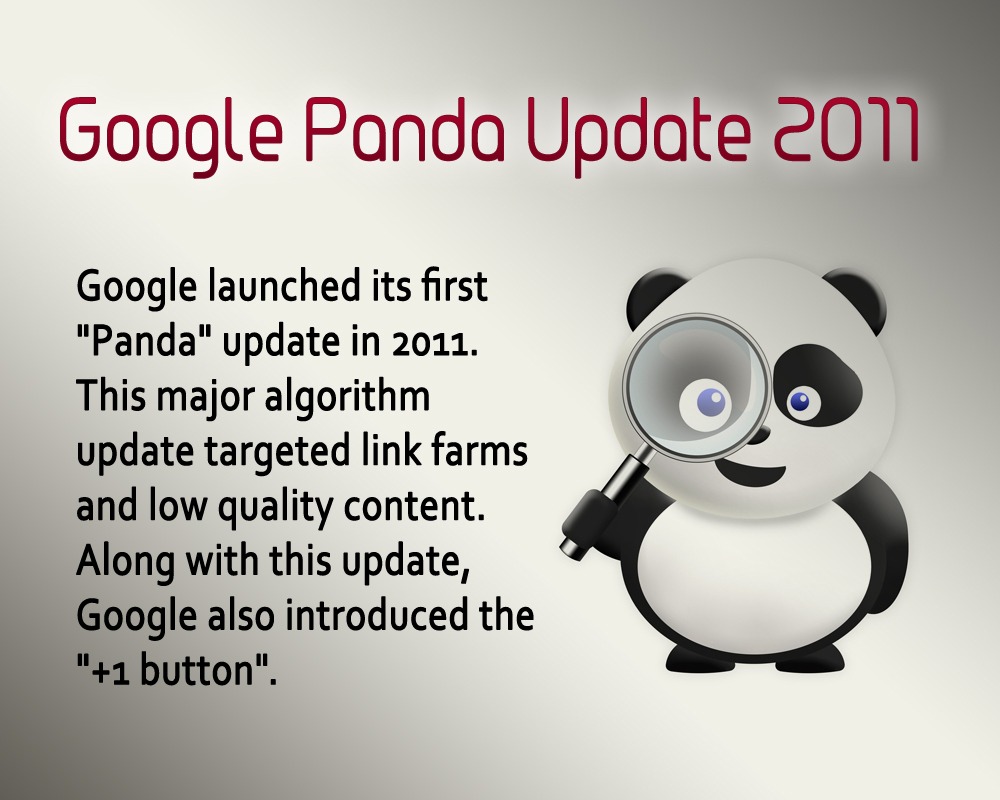
Google Panda Update
Penguin Update
Then came the link killer update ( Penguin ). This literally took many SEO companies out of Business. Till this update everyone had a feeling that Google will not penalize sites for backlinks which the site owner do not have full control over. But Google did not care they went ahead with this major link killer. Sites scrambled to remove every artificial links that links to their site. Then guess what some companies started throwing huge number of spam links to their competitor sites. This sometimes resulted in negative SEO and made some sites tank in rankings even without them doing anything wrong with their backlinks. Google immediately fixed this and made sure competitors don’t hurt other sites by throwing spam links.
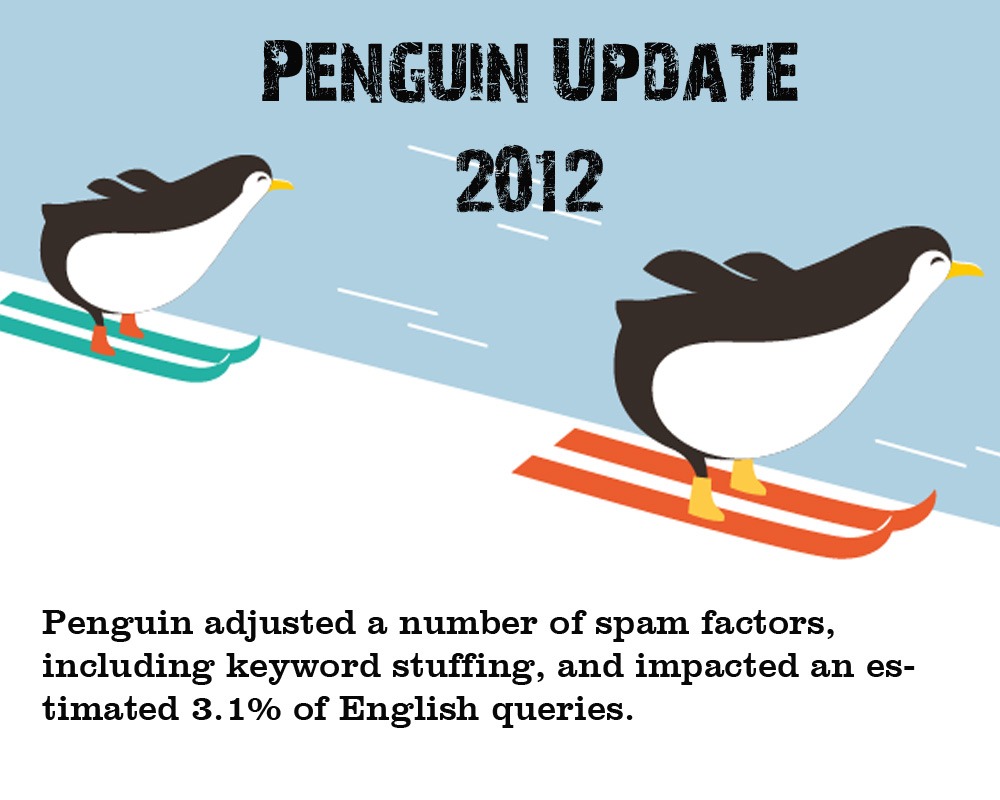
Google Penguin Update
After Panda and Penguin there were minor updates like Anti-piracy update, Fred update etc but nothing significant. The age of updates are gone we had more than a decade of fun which no future SEO will have. Now search engines especially Google has become boring. No PageRank update, no Google algorithm update, no Google PR person like Matt Cutts scaring webmasters / SEOs. Now we have Gary Illyes, John Muller helping people with their webmaster and SEO questions. But no one can be like Matt cutts AKA Google Guy.
There are still some blogs and forums trying to create buzz to bring visitors to their site posting about Google updates. Fact is there are no more major or noticeable updates in Google. Google search algorithm has become more real time, all updates are real time updates. For example Penguin and Panda refreshes are integrated into Google algorithm. They can happen every day or every week which rarely people will notice. It has become harder and harder to predict Google. With so many updates and refreshes it is no more feasible to try decoding Google search algorithm.
Stop following blogs that still cry wolf, wolf when there is actually nothing. I have seen some very experienced SEO guys shouting update! update ! when there is actually nothing. They do it just for the sake of gaining traffic. In fact that traffic is from guys who have little knowledge of real SEO or how Google really works.
Age of noticeable updates are gone, major updates are dead. Stop concentrating on updates. Do your homework, good websites deserve top positions. Stop trying to rank undervalued sites. Let the quality sites be on top. I have stopped serious SEO 3 years back and do only for very selective clients. I always recommend them to build great websites rather than cookie cutter sites. I have rejected numerous SEO projects just because they don’t fall under my ethics.
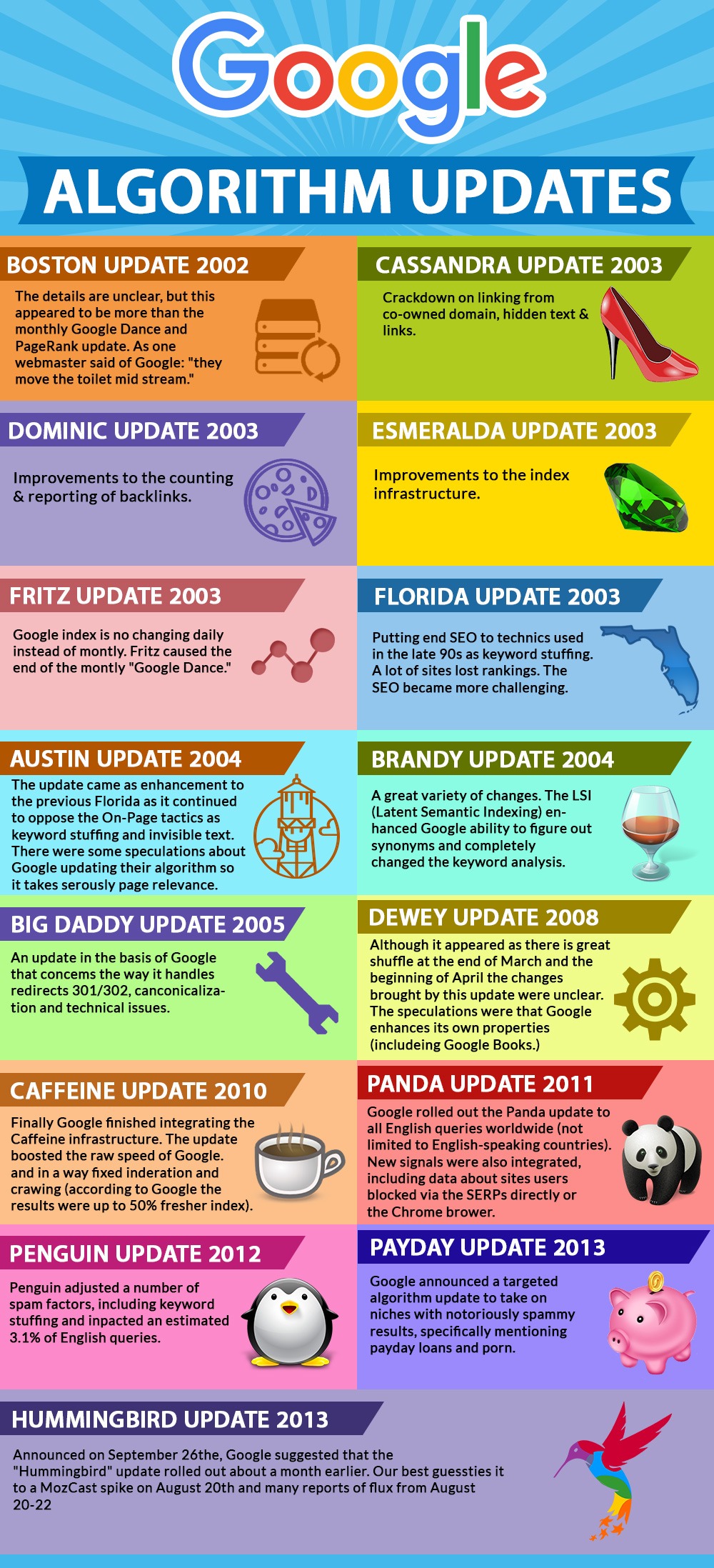
Google Algorithm Updates
Disavow vs disavow Naaa.
Disavow links was a hot topic when penguin update was launched. Everyone started scrambling to disavow their suspicious / artificial / spammy links. This was the trend for the past 1 year. But things changed significantly in the recent months especially after penguin update became real time. Google says they are now ignoring backlinks and no more penalizing a site based on backlinks. This is true and we have seen this in our client sites. So the question now is to disavow links or not to disavow links. We say don’t disavow if you did not do anything artificial to build links. Disavow linking disrupts the natural web. Same way we recommend not to have sitemap we also say not to disavow links. Let Google decide which links are suitable for a website.
Disavow Vs Don’t disavow
2017 SEO predictions – SEO prediction for 2017
- No more major updates from Google. There will be no more big updates from Google like it used to be. Penguin has already become obsolete or real time. Panda is continuous. So 2017 will be the end of the famous Google dances which started with the 2003 Florida update.
- Mobile SEO will overtake desktop. With the expected release of Mobile only index and desktop search index secondary, mobile SEO will be on top of Desktop. This is a revolutionary change since Mobile phones have always been considered as an handy tool not as a professional tool.
- AMP ( Accelerated mobile pages ) will be dominant. Mobile page rendering will be faster than ever with people mobile from regular hosted pages to AMP and CDNs.
- Voice search will become a necessity than an additional feature. Being an active user of iPhones i never used Voice feature to search. But with the constant innovation and excellent updates to voice recognition 2017 will see people moving into voice based searches.
- SEO for Mobile Apps will be common. With more and more ecommerce websites moving into Apps. SEO for Apps will become a common feature.
- Google to lose market share to more innovative and simple search engines.
- Paid sites like Moz, Ahrefs, SEMRUSH will go down with Google pulling the plug on excessive automated queries from rank tracking software.
- SEO will become pre 2003 standards
- SEO will become more important than ever. With the lack of Google updates there will be no more big rank changes which will work in favor of SEO companies.
- Long quality content pages will be dominant compared to cookie cutter small pages.
- Bigger brands will start focusing more on SEO. It is easier for bigger brands to dominate because they have great site. Most of the big brands already rank well but with some tweaking they can dominate a lot of competitive keywords. I am sure 2017 will bring almost all major brands on top.
- Structured markups will become more important than ever. It will revolutionize how search engines rank your site. Users will get additional data in search results before they click the link to your site.
- SEO spammers will move on top other jobs. It has already happened now most of the SEO spammers have moved on to other jobs since the panda update. Now that Google is becoming more intelligent with algorithms like rank brain, real time Panda, penguin etc it will be almost impossible to spam a site to the top of Google. This will make the SEO spam industry disappear.
- Analytics will play a major role in 2017. With Google’s active promotion of Google analytics and the importance of user behavior, 2017 will see people leaning more towards traffic analytics software to understand user behavior. User behavior online software like Google analytics will play a vital role.
- Organic search results will be ignored more by search engines to protect their own Business interests. I don’t have to explain more about this we see this all the time. Just compare how the search results look to the search results before 7 to 8 years. It is hard to find organic results now for competitive keywords, especially first page organic is buried deep down the page.
SEO Funny Cartoon Comics -latest trends of 2016
Search Engine Optimization (SEO) is arguably the most cost-effective digital marketing technique, but also the most challenging to get right.
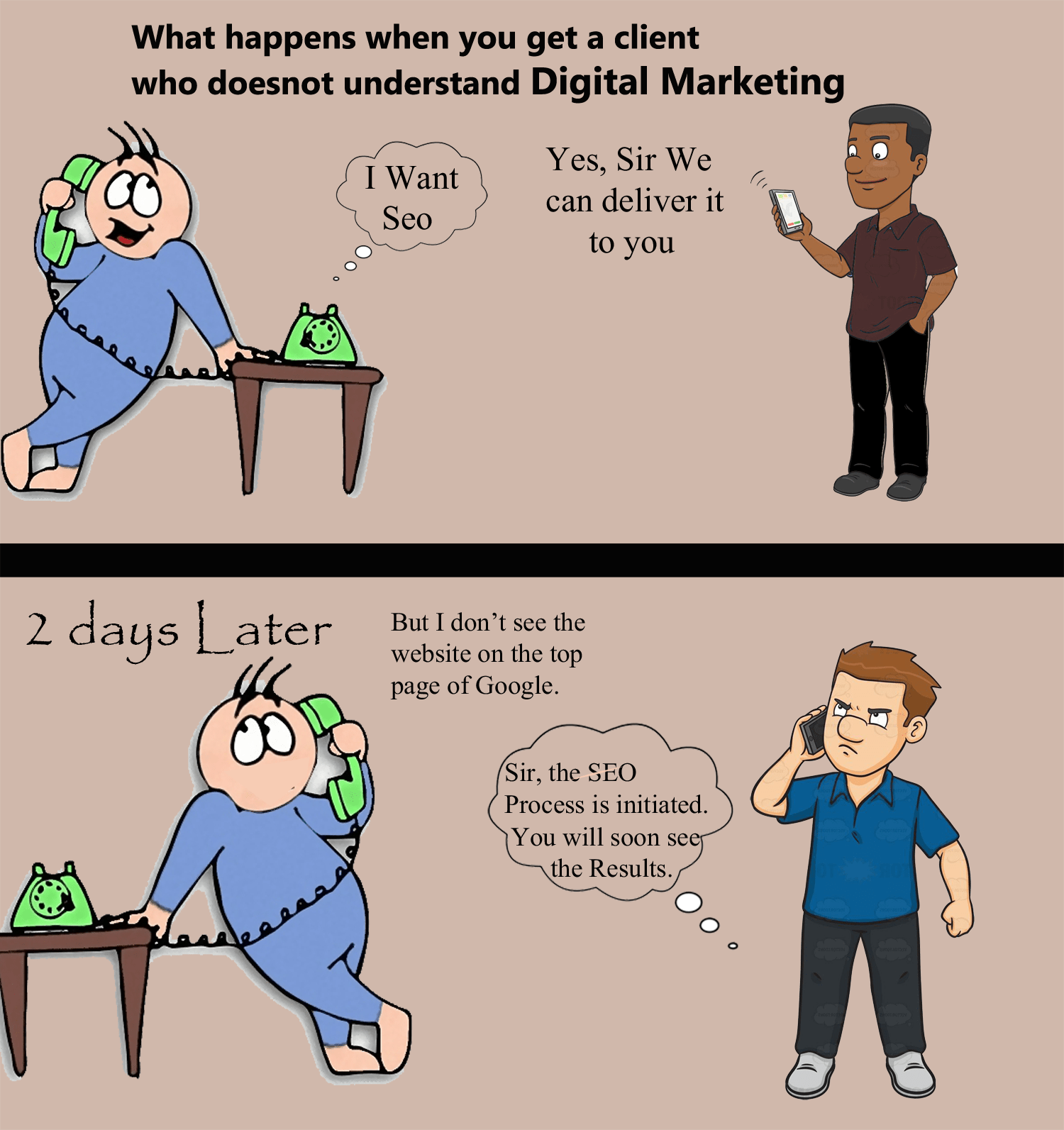
Digital Marketing
The First very Organic Result on the First Search Engine Result Page sees about 32.5%of Overall Search Traffic in terms of clicks. The Second domain sees 17.6% while the 7th only sees 3.5%
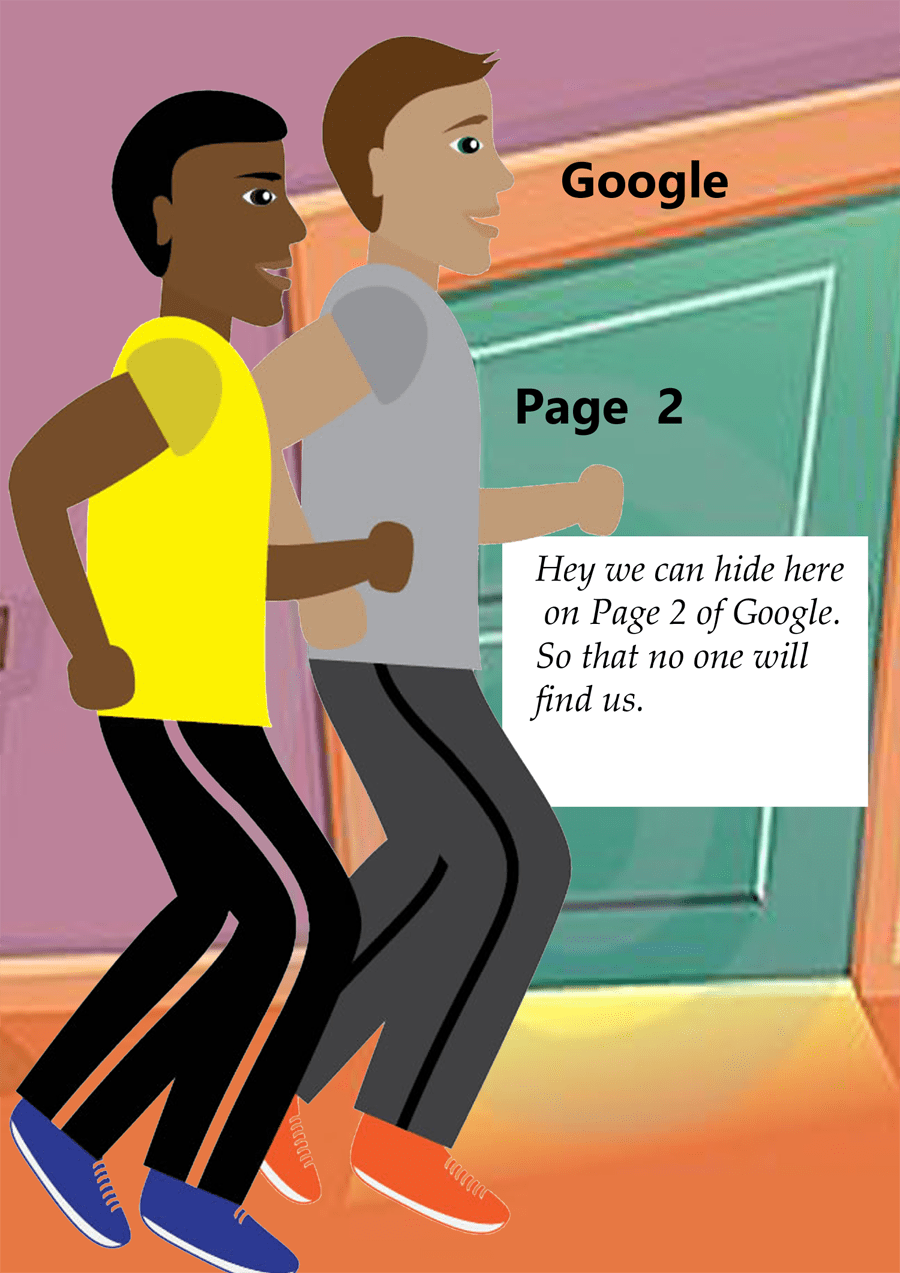
Google-page2
Google PageRank (Google PR) is one of the methods Google uses to determine a page’s relevance or importance. Important pages receive a higher PageRank and are more likely to appear at the top of the search results. Google PageRank (PR) is a measure from 0 – 10. Google Page rank is based on back links
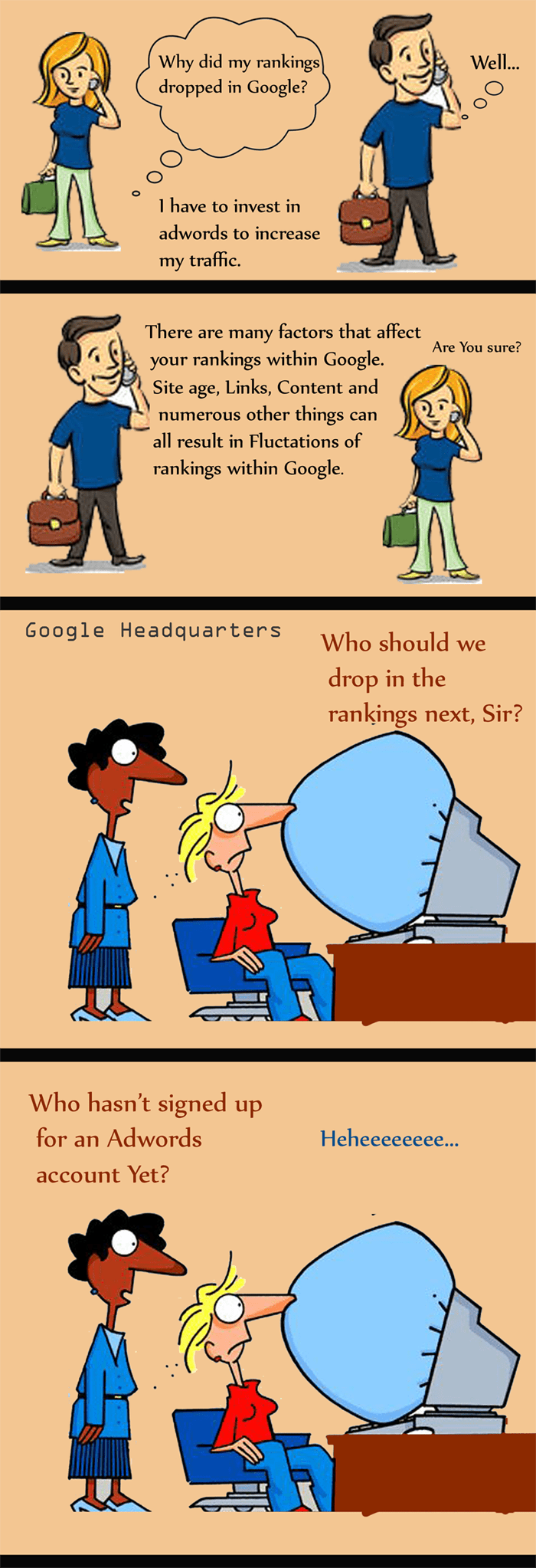
Google Rankings
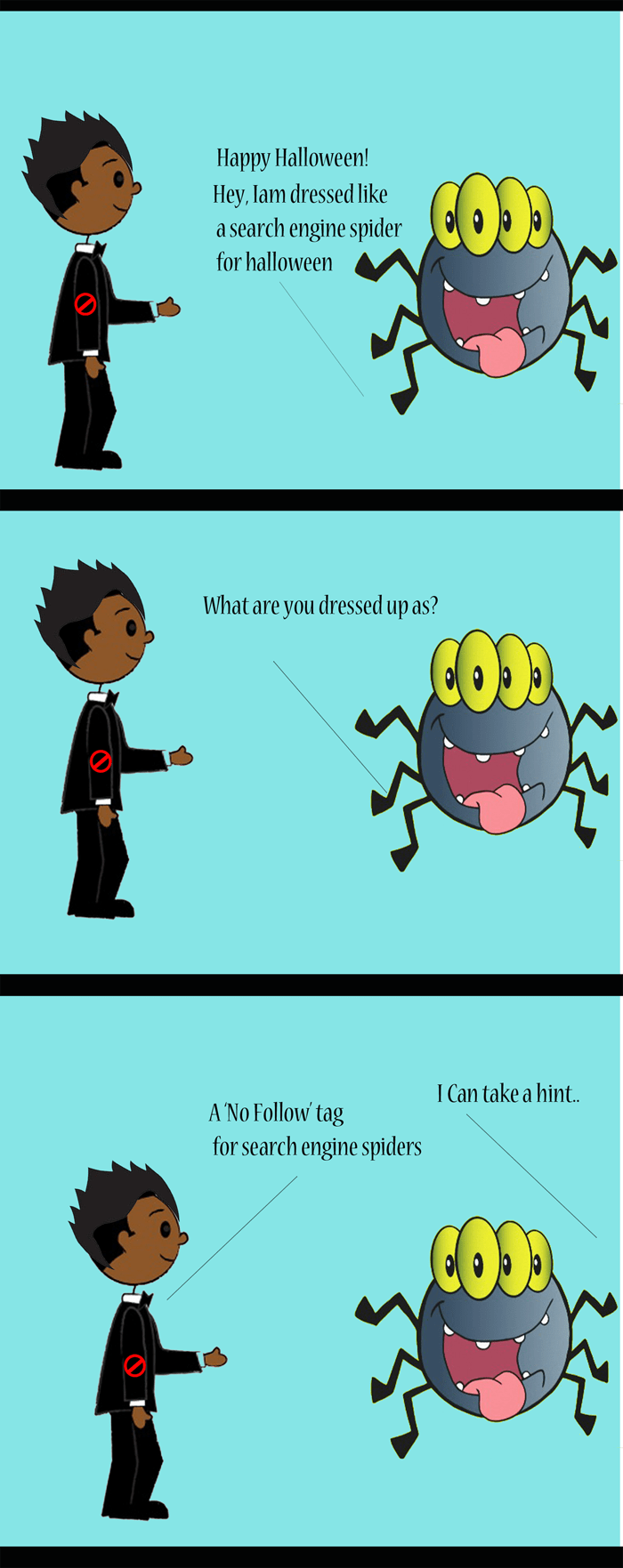
Web Search Engines and some other sites use Web crawling or spidering software to update their Web Content or indices of others sites’ web content. Web crawlers can copy all the pages they visit for later processing by a search engine which indexes the downloaded pages so the users can search much more efficiently.
Search engine
A website is a collection of related webpages, including multimedia content, typically identified with a common domain name and published on at least one webserver.

Websites
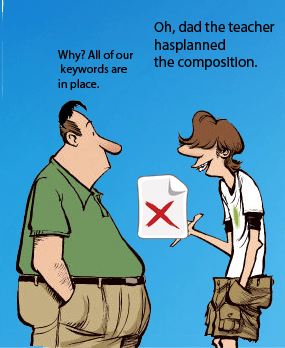
A keyword, in the context of search engine optimization, is a particular word or phrase that describes the contents of a Web page.
Seo-Keyword
Google is used for search of information about (someone or something) on the Internet using the search engine Google.

SEO prediction 2016 -How Far Will SEO Go This Year?
Description: With so many shifts in SEO industry in 2016, do you have any idea where SEO will go this 2016? Read on to stay on track to the latest SEO trends in 2016!
The year 2015 was relatively quiet in the world of SEO. Though internet marketers had experienced consistent updates in the algorithm, frequent changes in snippets and ever-changing metrics to compete with, but this is something SEO professionals have been used to.
However, there has been a lot of talk in the first quarter of this year that was revolving around the ad blocking and leveraging social media. But, this is sure that 2016 will be a very thrilling year for SEO. Based on our own experience in SEO and market growth, Search Engine Genie has brought to you a couple of major shifts in SEO industry that are likely to occur in 2016.
- Diversification Of Search Boxes:
 Since brands have gained more insight into the rankings, they are exploring to get visibility on various search boxes other than the Google. It clearly depicts that Google will be facing tough competition as businesses have started asking rankings on the Amazon, YouTube and various other platforms. Clients have started focusing on their visibility on WebMD, Netflix, Wal-Mart and Newegg which has initiated a fierce SEO competition among technology giants.
- The Rise Of Social Search:
 As social media is gaining its muscles among the online users, it is leaving a strong impact and a shift in their search behaviors. Probably, this is the reason that the Facebook is working to improve its internal search. The FB is investing heavily in offering user-friendly search functionalities. So, this has set many new engagements in the SEO world. It will also offer a good opportunity to gain visibility in social search platforms to those brands who have failed to gain visibility on Google due to the recent Google algorithm updates.
- The Era of App Indexing Has Begun:
 Till now, what you have been doing was limited to web only, but 2016 will be the year of app indexing. Since the brands have experienced an increase in their online traffic with the use of mobile apps, 2016 will be all about mobile SEO focusing on apps. Do you know people are directly using services from the apps without using organic search as they come handy? This is the reason Google is building its plans to show results using app indexing.
In other words, there is no guarantee that your users will find your content in the same traditional way as they used to get before. But, if you invest in building an app for your business, then together with the app indexing, you will be greatly ensured to reach your audience. So, 2016 has brought up a serious shift in SEO engagements with the fresh concept of app indexing.
Conclusion:
In 2016, the SEO would be on an amazing journey that would discover new approaches to gaining online visibility. However, the shifts that have been discussed here will soon prove to be true as these have been brought to your knowledge after an in-depth study of SEO market. In this fierce battle of getting rankings, you would need a good ally who has competitive knowledge of the shifting trends in the Internet Market. Invest in the one today and unfold your success this 2016. Give Search Engine a chance to add more stars to your online identity.
Blogroll
Categories
- 2016 SEO trends predictions
- AI for eCommerce
- AI Search & SEO
- author rank
- Authority Trust
- Bing search engine
- blogger
- CDN & Caching.
- Content Strategy
- Core Web Vitals
- eCommerce Growth
- Experience SEO
- Fake popularity
- gbp-optimization
- Google Adsense
- Google Business Profile Optimization
- google fault
- google impact
- google Investigation
- google knowledge
- Google panda
- Google penguin
- Google Plus
- Google Search Console
- Google Search Updates
- Google webmaster tools
- google-business-profile
- google-maps-ranking
- Hummingbird algorithm
- infographics
- link building
- Local SEO
- local-seo
- Mattcutts Video Transcript
- Microsoft
- Mobile Performance Optimization
- Mobile SEO
- MSN Live Search
- Negative SEO
- On-Page SEO
- Page Speed Optimization
- pagerank
- Paid links
- Panda and penguin timeline
- Panda Update
- Panda Update #22
- Panda Update 25
- Panda update releases 2012
- Penguin Update
- Performance Optimization
- Sandbox Tool
- search engines
- SEO
- SEO Audits
- SEO Audits & Monitoring
- SEO cartoons comics
- seo predictions
- SEO Recovery & Fixes
- SEO Reporting & Analytics
- seo techniques
- SEO Tips & Strategies
- SEO tools
- SEO Trends 2013
- seo updates
- Server Optimization
- Shopify Optimization
- Shopify SEO
- Shopify Services
- Small Business Marketing
- social bookmarking
- Social Media
- SOPA Act
- Spam
- Technical SEO
- Uncategorized
- User Experience (UX)
- Webmaster News
- website
- Website Security
- Website Speed Optimization
- Yahoo