




Archive for October, 2012
The importance of author name in the Search engine ranking.
Here’s how Google explains this new update: “Assuming that a given agent has a high reputational score, representing an established reputation for authoring valuable content, then additional content authored and signed by that agent will be promoted relative to unsigned content or content from less reputable agents in search results.”
Translation: if content on a page is linked to an author who has a strong author rank with Google, that page’s searchengine ranking should be higher than it otherwise would be.
There are a few things to disclose, however, if you want to understand how to SEO your site or have more informed discussions with your SEO inbound marketers. Most importantly, from the perspective of the paranoids, Google will be factoring various aspects of Google+ and pages receiving plus-one clicks in assigning quality scores to authors.

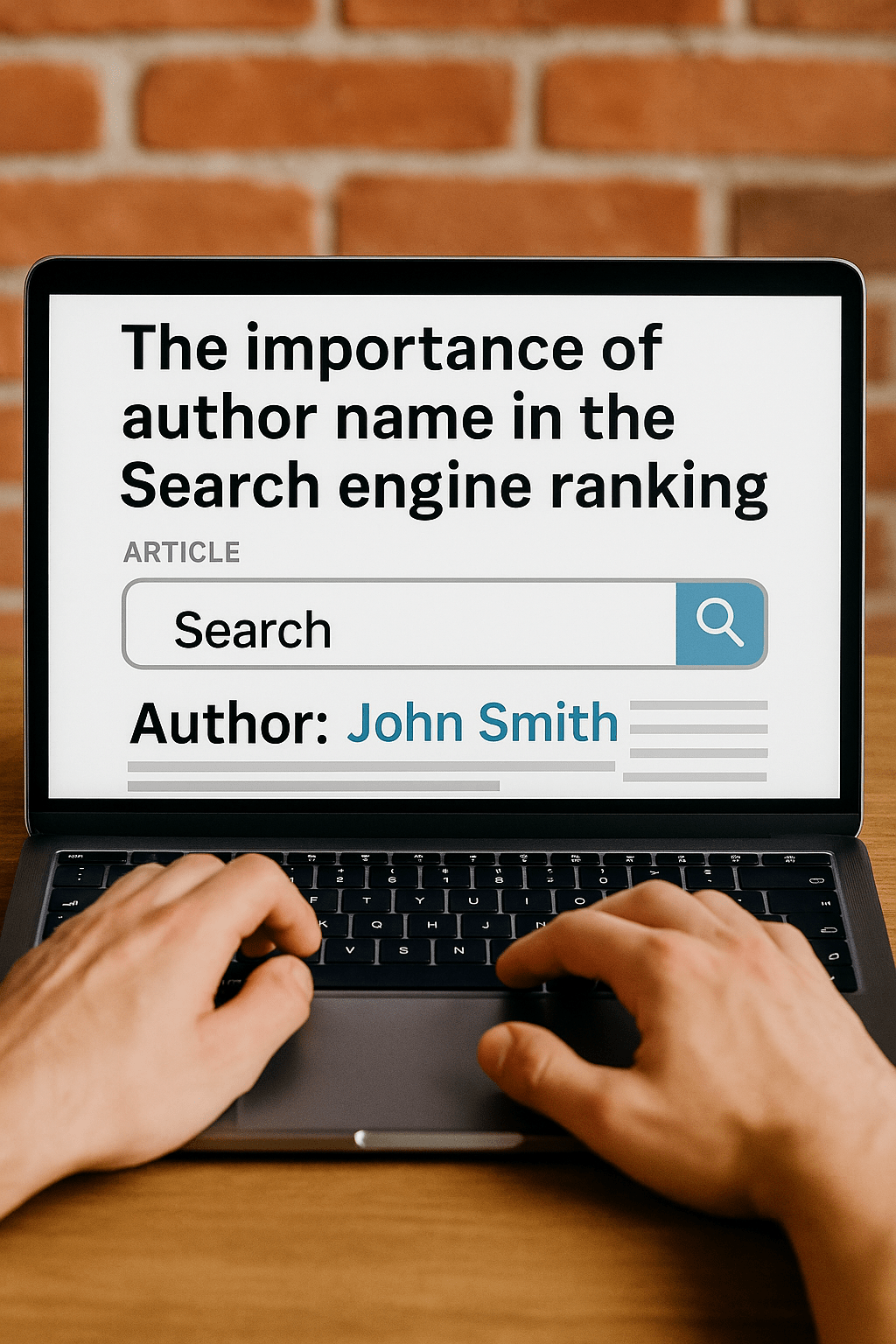
Only one aspect of SEO matters when it comes to author rank the author score of your content in the subject or topic where you want to rank. You also must pay attention to the author scores of those linking to your content. Other actions that suggest positive attention to your content: speed of link sharing within the sector and comments on the content.
Author ranks won’t replace traditional search ranking metrics namely the things Penguin and Panda care about, but it will supplement them. The idea is, by giving users the ability to up-vote and down-vote not just content but authors, Google will be able to produce higher-quality search results that help people find the information they want.
For small businesses and companies concerned with SEO, this means it’s time to start thinking about developing authorship. There hasn’t been a big announcement about author rank yet, so it’s probably not in full-scale implementation. But that doesn’t mean you can’t look for an inbound marketing firm that’s focusing on developing its authorship, or even think about taking steps on Google+ to develop your own content quality reputation within your industry.
While author rank might shake things up a lot, if you’re prepared, you’ll be fine. And, if they never roll it out, your efforts will only help you.
Honesty In Social Media Sites
Why Transparency Builds Trust
In today’s digital era, social media has become the backbone of communication, branding, and marketing. From Facebook to Instagram, Twitter (X), LinkedIn, and TikTok, billions of users engage daily. But with so much content being shared, one value stands out as the most powerful—and often overlooked: honesty.

Being authentic and transparent on social media is no longer optional. It’s the key to building trust, credibility, and long-term relationships with your audience. Let’s explore why honesty matters and how both individuals and businesses can embrace it.
1. Why Honesty Matters on Social Media
-
Trust is the new currency: People are quick to unfollow or call out dishonesty. Authentic accounts get more engagement and loyalty.
-
Audiences are smarter: Users can spot fake reviews, stock photos, and scripted messages.
-
Algorithms reward realness: Platforms like Instagram and TikTok push authentic, relatable content.
Bottom line: honesty humanizes your brand and makes you relatable.
2. The Dangers of Dishonesty Online
Posting exaggerated claims or fake content might give short-term attention, but it damages long-term reputation.
-
Fake followers = low engagement and credibility.
-
Misleading promotions = customer backlash.
-
Over-edited images = unrealistic expectations and criticism.
Once trust is broken, it’s difficult to rebuild.
3. How to Be Honest on Social Media
Here are some actionable ways to practice transparency:
-
Show behind-the-scenes moments: Let followers see the real process, not just the polished product.
-
Admit mistakes: A quick apology post shows accountability and earns respect.
-
Use authentic visuals: Share real photos, not just over-edited or stock images.
-
Be clear in promotions: Mark ads with #sponsored or #ad to stay compliant and transparent.
-
Engage genuinely: Reply to comments and messages with sincerity, not copy-paste answers.
4. The Business Advantage of Honesty
For brands and entrepreneurs, honesty is not just a moral choice—it’s a business strategy.
-
Honest reviews build customer loyalty.
-
Transparent policies reduce negative feedback.
-
Authentic storytelling increases conversions because people connect with real emotions.
In fact, studies show that 90% of consumers trust a brand that is transparent on social media.
5. Balancing Honesty and Professionalism
Honesty doesn’t mean oversharing every personal detail. It’s about being real yet respectful.
-
Share stories that connect with your niche.
-
Avoid misleading clickbait headlines.
-
Maintain a professional tone while staying authentic.
Final Thoughts
Honesty in social media sites is the foundation of digital trust. Whether you’re a business, influencer, or everyday user, being real builds stronger connections than any viral gimmick ever could.
In a crowded digital space where fake news and filters are common, honesty stands out as your greatest competitive advantage. Start posting with transparency today—and watch your audience grow in trust, loyalty, and engagement.
Search
Blogroll
Categories
Recent Posts
Recent Comments
Archives
- August 2025
- December 2023
- November 2023
- October 2023
- September 2023
- August 2023
- June 2023
- May 2023
- April 2023
- March 2023
- February 2023
- January 2020
- January 2017
- May 2016
- December 2015
- July 2013
- February 2013
- January 2013
- December 2012
- November 2012
- October 2012
- September 2012
- July 2012
- June 2012
- April 2012
- March 2012
- February 2012
- January 2012
- December 2011
- November 2011
- October 2011
- September 2011
- August 2011
- July 2011
- May 2011
- April 2011
- March 2011
- February 2011
- January 2011
- December 2010
- November 2010
- October 2010
- September 2010
- August 2010
- July 2010
- March 2010
- February 2010
- January 2010
- December 2009
- October 2009
- September 2009
- August 2009
- July 2009
- June 2009
- May 2009
- April 2009
- March 2009
- February 2009
- January 2009
- December 2008
- November 2008
- October 2008
- September 2008
- August 2008
- July 2008
- June 2008
- May 2008
- April 2008
- March 2008
- February 2008
- January 2008
- December 2007
- November 2007
- October 2007
- September 2007
- August 2007
- July 2007
- June 2007
- April 2007
- March 2007
- February 2007
- January 2007
- December 2006
- November 2006
- October 2006
- September 2006
- August 2006
- July 2006
- May 2006
- April 2006
- February 2006
- January 2006
- December 2005