




Archive for July, 2012
Website Sharing Investment
A Modern Approach to Online Growth
In today’s digital economy, website sharing investment is becoming a powerful strategy for entrepreneurs, startups, and businesses looking to expand their online presence without bearing the full cost of development, hosting, and promotion. By pooling resources, investors and website owners can share costs, profits, and growth opportunities, creating a win-win environment in the competitive online market.
What is Website Sharing Investment?
Website sharing investment is a collaborative approach where multiple individuals or businesses contribute financially to build, maintain, or promote a website. Instead of one party shouldering all the expenses, the investment is divided among partners, and so are the returns.


For example, a group of investors may share ownership of an e-commerce website, niche blog, or SaaS platform, splitting expenses like hosting, SEO, content creation, and digital marketing campaigns.
Why Invest in Shared Websites?
1. Lower Financial Risk
Investing in a shared website spreads out the cost of building and running an online business. Each participant contributes only a portion of the required capital, reducing financial pressure.
2. Access to Expertise
Shared website projects often bring together people with diverse skill sets — from developers and designers to marketers and SEO experts — ensuring better execution and growth.
3. Scalable Revenue Potential
A well-optimized website can generate income through ads, affiliate marketing, digital products, or subscription services. When multiple investors collaborate, scaling becomes faster and easier.
4. Diversification of Portfolio
Instead of investing in one high-cost project, website sharing allows investors to diversify across multiple online properties, increasing the chances of steady returns.
How to Succeed in Website Sharing Investment
- Choose the Right Niche
Focus on industries with consistent demand: finance, health, technology, education, and e-commerce. Evergreen niches ensure long-term profitability.
- Set Clear Agreements
Define roles, revenue-sharing models, and exit strategies to avoid conflicts. A clear contract is essential.
- Prioritize SEO and Content Marketing
To maximize visibility, the website must rank high in search engines. Invest in:
-
Keyword research for high-value search terms
-
On-page SEO (titles, meta tags, alt text)
-
Quality blog content to attract organic traffic
-
Link-building strategies to increase domain authority
Leverage Analytics and Tracking
Use tools like Google Analytics and Search Console to track traffic, conversions, and ROI. Data-driven decisions will help optimize the website for better performance.
Is Website Sharing Investment Right for You?
If you’re looking for an affordable, collaborative way to enter the digital space, website sharing investment can be a smart move. It reduces individual risks while increasing opportunities for profit, especially when combined with strong SEO practices and consistent content marketing.
Final Thoughts
As online businesses continue to grow, website sharing investment provides a modern, cost-effective path to digital ownership and revenue generation. By combining resources, expertise, and strategy, entrepreneurs can dominate their niche markets while sharing both the responsibilities and rewards.
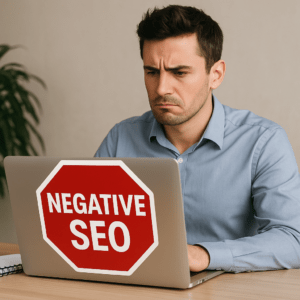
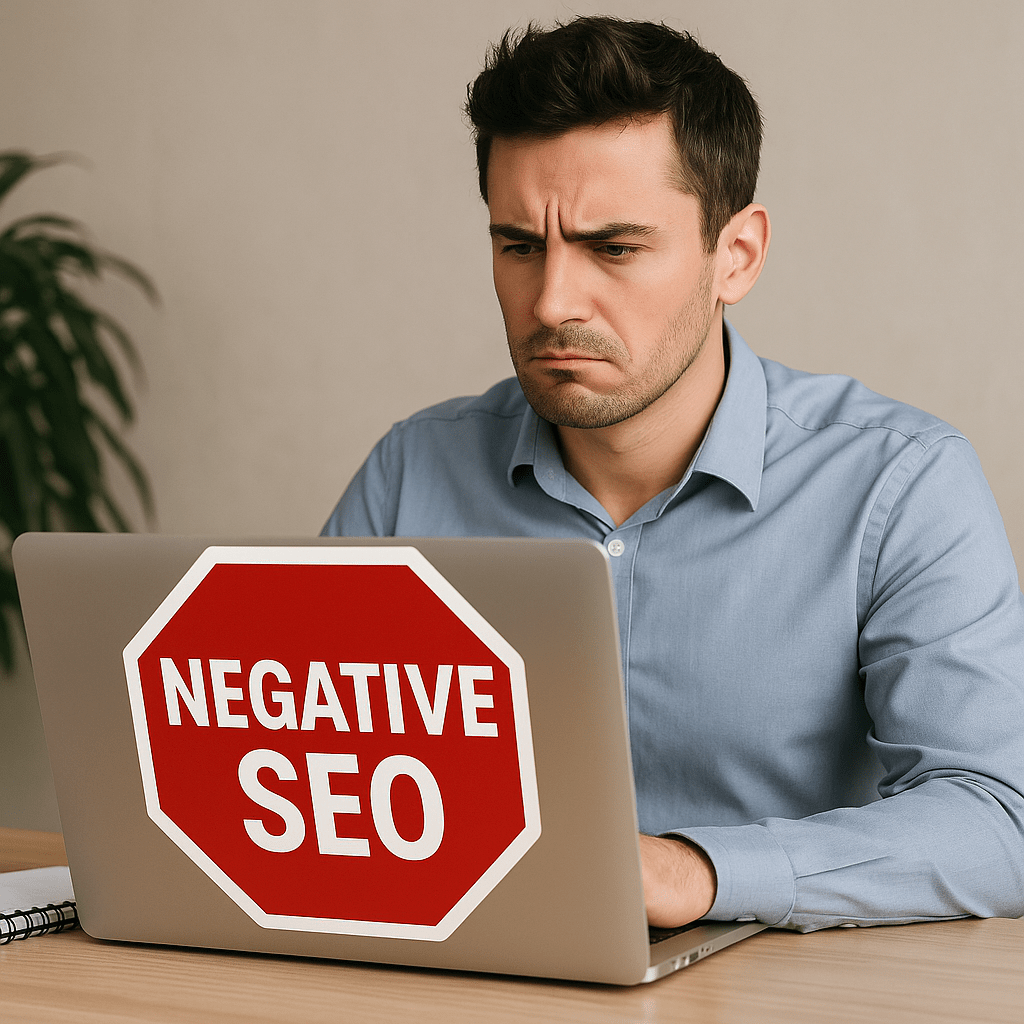
Negative SEO
What It Is, How It Works, and How to Protect Your Website
In the competitive world of digital marketing, every business wants to rank higher on Google. While most focus on ethical SEO practices, some resort to Negative SEO — a harmful tactic aimed at damaging a competitor’s rankings and online reputation. Understanding what negative SEO is and how to defend against it is crucial for safeguarding your website’s visibility and brand trust.
What is Negative SEO?
Negative SEO refers to malicious practices intended to lower a competitor’s search engine rankings. Instead of building their own authority, attackers attempt to harm others by manipulating Google’s algorithms against them.
These tactics can involve spammy backlinks, fake reviews, duplicate content, and even website hacking. The goal is to trick search engines into believing your site is engaging in black-hat SEO, resulting in penalties or ranking drops.
Common Types of Negative SEO Attacks
1. Spammy Backlinks
Attackers create hundreds or thousands of low-quality backlinks pointing to your site, making it look like you’re engaged in link schemes.
2. Content Scraping & Duplication
Copying your original content and publishing it across multiple sites can confuse search engines about the original source, lowering your site’s authority.
3. Fake Reviews & Reputation Attacks
Negative SEO often involves posting fake negative reviews on Google, Yelp, or other platforms to harm credibility.
4. Hacking & Malware Injections
Some attackers hack websites, insert spammy links, or add malicious code that triggers Google’s security warnings.
5. Click Fraud
Competitors may use bots to repeatedly click on your PPC ads, draining your ad budget without generating real leads.
How to Detect Negative SEO
-
Monitor backlink profiles using tools like Ahrefs, SEMrush, or Google Search Console.
-
Watch for sudden drops in rankings or spikes in spammy links.
-
Use plagiarism tools to detect duplicate content.
-
Regularly track Google Search Console alerts for security issues.
-
Keep an eye on sudden increases in bounce rates or abnormal traffic patterns.
How to Protect Your Website from Negative SEO
- Disavow Spammy Links
- Use Google’s Disavow Tool to tell search engines to ignore toxic backlinks.
- Secure Your Website
- Enable HTTPS, strong passwords, and firewalls to prevent hacking attempts.
- Monitor Content Theft
- Use Copyscape or Grammarly Plagiarism Checker to find and report duplicate content.
- Track Online Reviews
- Regularly audit reviews and report fake ones to Google and review platforms.
- Use SEO Monitoring Tools
- Set up alerts with SEO tools to detect suspicious activities early.
Why Negative SEO is Dangerous
Negative SEO not only affects search engine rankings but also damages brand credibility and user trust. In some cases, it can take months to recover from the damage, making prevention and quick detection essential.
Final Thoughts
While Negative SEO is a dark side of digital marketing, being proactive can protect your website. By monitoring backlinks, securing your site, and addressing fake reviews, you can minimize risks and maintain strong search engine rankings.
Remember: a solid SEO strategy plus continuous monitoring is your best defense against malicious attacks.
Search
Blogroll
Categories
Recent Posts
Recent Comments
Archives
- August 2025
- December 2023
- November 2023
- October 2023
- September 2023
- August 2023
- June 2023
- May 2023
- April 2023
- March 2023
- February 2023
- January 2020
- January 2017
- May 2016
- December 2015
- July 2013
- February 2013
- January 2013
- December 2012
- November 2012
- October 2012
- September 2012
- July 2012
- June 2012
- April 2012
- March 2012
- February 2012
- January 2012
- December 2011
- November 2011
- October 2011
- September 2011
- August 2011
- July 2011
- May 2011
- April 2011
- March 2011
- February 2011
- January 2011
- December 2010
- November 2010
- October 2010
- September 2010
- August 2010
- July 2010
- March 2010
- February 2010
- January 2010
- December 2009
- October 2009
- September 2009
- August 2009
- July 2009
- June 2009
- May 2009
- April 2009
- March 2009
- February 2009
- January 2009
- December 2008
- November 2008
- October 2008
- September 2008
- August 2008
- July 2008
- June 2008
- May 2008
- April 2008
- March 2008
- February 2008
- January 2008
- December 2007
- November 2007
- October 2007
- September 2007
- August 2007
- July 2007
- June 2007
- April 2007
- March 2007
- February 2007
- January 2007
- December 2006
- November 2006
- October 2006
- September 2006
- August 2006
- July 2006
- May 2006
- April 2006
- February 2006
- January 2006
- December 2005