




Archive for October, 2023
Microsoft Earnings Call Highlights Latest In AI For Search & Ads

I don’t have access to real-time information or events that have occurred after that date. However, I can provide you with some general trends and highlights in AI for search and ads up until that point.
In recent years, Microsoft has been actively leveraging AI and machine learning in its search and advertising offerings. Here are some potential areas of focus:
1. AI-powered Search Relevance: Microsoft has been investing in improving the relevance of search results through the use of AI algorithms. This includes understanding user intent, context, and personalizing results.
2. Bing’s Intelligent Answers: Bing has been using AI to provide intelligent answers directly in search results, aiming to reduce the need for users to click through to a website for information.
3. Smart Bidding and Ad Campaign Optimization: In the advertising space, Microsoft Advertising (formerly Bing Ads) has been utilizing AI for smart bidding strategies. These strategies use machine learning to optimize bids for conversions, clicks, or other specified goals.
4. Audience Targeting: AI-powered audience targeting allows advertisers to reach specific demographics or user segments based on their behavior, interests, and characteristics.
5. Chatbots and Conversational AI: Microsoft has been active in developing conversational AI solutions, like their Azure Bot Service, which allows businesses to create intelligent, natural language interfaces for their applications.
6. Visual Search: This technology allows users to search for information using images. Microsoft’s AI capabilities have been employed to improve the accuracy and relevance of visual search results.
7. Voice Search and Assistance: With the rise of smart speakers and voice-activated devices, Microsoft has likely been working on improving the AI behind Cortana, their virtual assistant, to enhance voice search capabilities.
8. Ad Fraud Prevention: AI and machine learning can be used to detect and prevent ad fraud, which is a critical concern in the online advertising space.
Remember, the specifics of Microsoft’s latest developments in AI for search and ads For the most recent advancements, I recommend checking Microsoft’s official announcements, press releases, or reliable tech news sources.
New Google Maps Feature Highlights Wheelchair Accessible Places
Introduction
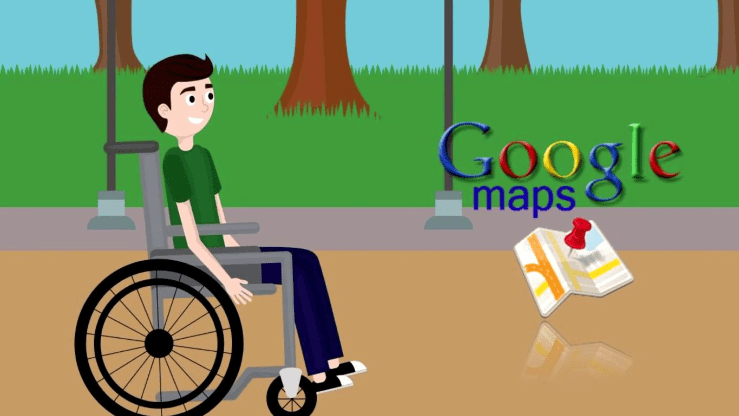
In a significant stride towards inclusivity, Google has introduced a groundbreaking feature on Google Maps, specifically designed to assist individuals with mobility challenges. The Wheelchair Accessible Places feature aims to provide invaluable information to users who rely on wheelchairs for their mobility. This innovative addition empowers them to plan their journeys with confidence, ensuring they can access various places comfortably. In this article, we’ll delve into the details of this new Google Maps feature and the positive impact it is poised to have on the lives of individuals with mobility needs.
1. Comprehensive Accessibility Information
The Wheelchair Accessible Places feature on Google Maps offers a wealth of information about locations’ accessibility status. This includes details on accessible entrances, restrooms, seating arrangements, and more. Such comprehensive information empowers individuals with mobility challenges to make informed decisions about the places they visit.
2. Easy Identification of Accessible Locations
Accessible places are now prominently marked on the Google Maps interface. Users can quickly identify them by looking for the universally recognized wheelchair icon, ensuring a seamless and hassle-free navigation experience.
3. User-Generated Content and Verification
Google has implemented a system that allows users to contribute to the accessibility information. Individuals can provide feedback regarding the accessibility of places they have visited, creating a collaborative environment for verifying and updating this critical information.
4. Integration with Transit Information
The Wheelchair Accessible Places feature is seamlessly integrated with transit information on Google Maps. This enables users to plan accessible routes that incorporate public transportation, ensuring a holistic approach to their journey planning.
5. Global Accessibility Impact
This feature is not limited to specific regions. Google Maps’ Wheelchair Accessible Places extends its coverage globally, with information available for a wide range of locations across the world. This inclusivity underscores Google’s commitment to making accessibility a universal priority.
6. Empowering Independent Exploration
For individuals with mobility challenges, the ability to independently explore and navigate their surroundings is of paramount importance. The Wheelchair Accessible Places feature empowers them to do just that, granting them the freedom to venture out with confidence.
7. Enabling Informed Decision-Making
Access to detailed accessibility information empowers individuals to make informed decisions about where to go and how to get there. This feature helps users plan routes and visits with the assurance that their mobility needs will be accommodated.
8. Fostering a More Inclusive Society
By prioritizing accessibility, Google is playing a pivotal role in fostering a more inclusive society. The Wheelchair Accessible Places feature goes a long way in breaking down barriers and ensuring that individuals with mobility challenges can participate fully in various aspects of life.
Google’s introduction of the Wheelchair Accessible Places feature on Google Maps marks a significant milestone in the journey towards a more inclusive and accessible world. This innovative addition empowers individuals with mobility challenges to navigate their surroundings with confidence and independence. By providing comprehensive accessibility information, Google is not only enhancing the lives of users but also sending a powerful message about the importance of inclusivity in today’s digital age. The impact of this feature is poised to resonate globally, making a positive difference in the lives of millions.
SEO News You Can Use: Google is Testing Search Results Without URLs
Google has been testing search results without displaying full URLs in its search engine results pages (SERPs) as part of its ongoing efforts to improve user experience and simplify search results. This change is part of Google’s broader initiative to streamline and refine the way search results are presented to users. Here’s what you need to know about this development:
1. Breadcrumb-Like URLs: In these tests, Google has been experimenting with displaying breadcrumbs instead of full URLs in search results. Breadcrumbs are a navigational aid that typically shows the hierarchical structure of a webpage, similar to a trail of categories leading to the page. Instead of displaying the full URL, the breadcrumb-style structure provides users with an understanding of where the page fits within a website.
2. Improved User Experience: Google’s goal with this change is to simplify the presentation of search results and make them more user-friendly. Displaying breadcrumbs can help users quickly assess the context of a page within a website, making it easier to determine the relevance of the search result.
3. Gradual Rollout: It’s important to note that Google often tests new features and changes with a subset of users before implementing them universally. As such, not all users may see search results without full URLs at this time.
4. Potential Impact on SEO: While the change in how URLs are displayed in search results may not directly impact SEO rankings, it could influence user behavior and click-through rates. Websites should continue to focus on optimizing their metadata, including titles and descriptions, as these elements play a key role in attracting users to click on search results.
5. Monitoring and Adaptation: Website owners and SEO professionals should monitor any changes in user behavior and website traffic resulting from this alteration in search results presentation. As Google continues to refine its SERPs, it’s important to adapt and optimize content and metadata accordingly.
6. Google’s Ongoing Evolution: Google frequently updates its search algorithms and presentation of search results to enhance user experience and better align with evolving user preferences. Staying informed about these changes and adapting SEO strategies accordingly is essential for online visibility and success.
Google’s testing of search results without displaying full URLs is part of its effort to simplify and improve the user experience. While it may not directly impact SEO rankings, it underscores the importance of optimizing metadata and adapting to changes in the search landscape to maintain a strong online presence.
Search
Blogroll
Categories
Recent Posts
Recent Comments
Archives
- August 2025
- December 2023
- November 2023
- October 2023
- September 2023
- August 2023
- June 2023
- May 2023
- April 2023
- March 2023
- February 2023
- January 2020
- January 2017
- May 2016
- December 2015
- July 2013
- February 2013
- January 2013
- December 2012
- November 2012
- October 2012
- September 2012
- July 2012
- June 2012
- April 2012
- March 2012
- February 2012
- January 2012
- December 2011
- November 2011
- October 2011
- September 2011
- August 2011
- July 2011
- May 2011
- April 2011
- March 2011
- February 2011
- January 2011
- December 2010
- November 2010
- October 2010
- September 2010
- August 2010
- July 2010
- March 2010
- February 2010
- January 2010
- December 2009
- October 2009
- September 2009
- August 2009
- July 2009
- June 2009
- May 2009
- April 2009
- March 2009
- February 2009
- January 2009
- December 2008
- November 2008
- October 2008
- September 2008
- August 2008
- July 2008
- June 2008
- May 2008
- April 2008
- March 2008
- February 2008
- January 2008
- December 2007
- November 2007
- October 2007
- September 2007
- August 2007
- July 2007
- June 2007
- April 2007
- March 2007
- February 2007
- January 2007
- December 2006
- November 2006
- October 2006
- September 2006
- August 2006
- July 2006
- May 2006
- April 2006
- February 2006
- January 2006
- December 2005