




Search Engine Optimization
How Google AI Search Is Changing SEO Content Strategies
Google’s integration of artificial intelligence into search is changing how people discover information online. Features such as AI Overviews can provide summarized answers directly within search results, influencing how users interact with websites.


For businesses, publishers, and SEO professionals, this creates a need to rethink traditional content strategies.
1. Focus on Search Intent
Search intent describes what users want to accomplish when entering a query.
Instead of concentrating only on keyword rankings, businesses should develop content that answers specific questions and helps visitors solve problems.
For example, an article about improving website traffic should explain practical steps, common mistakes, and ways to measure results.
2. Create Original and Helpful Content
AI-powered search makes generic, repetitive content less useful as a competitive advantage.
Websites should prioritize:
- Original research and practical examples
- Accurate, clearly explained information
- Relevant industry experience
- Updated and trustworthy sources
- Clear answers to important user questions
Useful content can support both traditional search visibility and opportunities to be referenced in AI-generated search experiences.
3. Improve Website Structure
Well-organized pages help visitors navigate information and make content easier for search engines to understand.
Important practices include descriptive headings, relevant internal links, meaningful page titles, and clear navigation.
Structured data can also help search engines interpret supported types of information, although it does not guarantee inclusion in AI-generated answers.
4. Strengthen Technical SEO
Technical SEO remains essential even as search technology evolves.
Website owners should regularly check:
- Crawlability and indexing
- Mobile usability
- Page loading performance
- Canonical URL configuration
- Broken links and server errors
Google Search Console can help identify indexing issues and changes in organic search performance.
5. Measure Search Performance Beyond Rankings
Traditional keyword rankings do not provide a complete picture of search visibility.
SEO teams should also monitor organic clicks, impressions, engagement, conversions, and the performance of important landing pages.
Comparing these metrics over time can help identify whether search changes are affecting meaningful business results.
Google Explains How it Organizes Information in Search

Google’s search algorithms are complex and constantly evolving to provide users with the most relevant and helpful search results. While I don’t have the exact details of the latest algorithm changes or updates, I can provide a general overview of how Google organizes information in search results:
1. Crawling and Indexing: Google’s search bots, often referred to as “Googlebot,” crawl the web to discover and index web pages. During the crawling process, Googlebot follows links from one page to another, indexing the content it finds.
2. Ranking Algorithms: Google uses a variety of algorithms to rank web pages in search results. The most well-known algorithm is PageRank, which evaluates the quantity and quality of links pointing to a page. However, Google employs hundreds of ranking factors to determine the relevance and authority of a page.
3. Relevance and Quality: Google’s main goal is to provide users with the most relevant and high-quality content in response to their search queries. The algorithms assess factors like keywords, user intent, content quality, relevance, user experience, and more.
4. User Intent: Google aims to understand the intent behind a user’s search query. It evaluates whether the user is seeking information, wants to make a purchase, or needs a specific service. This helps Google display results that match the user’s intent.
5. Featured Snippets: Google often provides featured snippets, which are concise summaries of the information from a web page that directly answer a user’s query. These are displayed at the top of search results and aim to provide quick and accurate answers.
6. Local Search: For location-based queries, Google’s algorithms consider the user’s location to provide results relevant to their geographic area. This is particularly important for local businesses and services.
7. Mobile-Friendly and Core Web Vitals: Google prioritizes mobile-friendly websites and pages that provide a good user experience, as well as those that meet Core Web Vitals metrics related to loading, interactivity, and visual stability.
8. Structured Data: Websites that use structured data markup (such as Schema.org) can provide additional context to Google about their content, helping search engines understand the content’s purpose and structure.
9. Freshness: Google considers the freshness of content, particularly for topics that require up-to-date information, such as news or recent events.
It’s important to note that Google’s algorithms are proprietary and not fully disclosed. The search landscape is continually evolving, and Google regularly updates its algorithms to improve the quality of search results and combat spammy practices. For the most accurate and up-to-date information about how Google organizes information in search, I recommend referring to Google’s official documentation and announcements.
Can search engines detect AI content?
Yes, search engines have the capability to detect AI-generated content, but the extent to which they can do so depends on various factors, including the sophistication of the AI-generated content and the algorithms used by search engines to identify such content.
AI-generated content produced by advanced models like GPT-3 can often closely mimic human-written content, making it challenging for search engines to distinguish between the two. However, search engines are constantly evolving their algorithms to detect and evaluate the authenticity and quality of content.
Here are some ways search engines might detect AI-generated content:
- Content Quality and Relevance: Search engines aim to deliver high-quality and relevant content to users. If AI-generated content lacks depth, coherence, or relevance to the search query, it might be flagged as low-quality.
- Plagiarism and Duplication: If AI-generated content is created using existing text from the internet, it could be flagged as duplicate or plagiarized content. Search engines use algorithms to compare content and identify similarities.
- Unnatural Language Patterns: Some AI-generated content might exhibit unnatural or unusual language patterns that human-generated content wouldn’t have. Search engines can analyze linguistic structures and patterns to identify such content.
- Contextual Inconsistencies: Advanced AI models might occasionally produce content that contradicts itself or provides inaccurate information. Search engines can cross-reference information to check for inconsistencies.
- Authorship and History: Search engines often consider the history and authority of the content creator. AI-generated content lacks a human history and profile, which might raise suspicion.
- Metadata and Structured Data: AI-generated content might lack appropriate metadata and structured data that human-created content would typically include. Search engines might use this information to assess the credibility of content.

It’s important to note that AI-generated content isn’t inherently treated negatively by search engines. If the content is valuable, relevant, and serves users’ needs, it can still rank well. Additionally, search engines continually update their algorithms to keep up with the changing landscape of online content.
Website owners should focus on creating content that genuinely adds value to users, regardless of whether it’s AI-generated or human-created. Ethical use of AI-generated content, transparency in labeling, and adherence to search engine guidelines are essential for maintaining a positive online presence.
Mobile SEO: How To Optimize Your Site For Any Device
As the use of mobile devices continues to surge, so too has the importance of Mobile SEO. Mobile SEO is an effective, targeted optimization strategy that focuses on optimizing a website for mobile users. By making small tweaks and changes on both the mobile and desktop versions of a site, businesses can create a better user experience for their mobile users and gain an edge on their competitors. The first step to optimizing a website for mobile devices is to ensure that it is fully responsive. Mobile devices are an ever-growing market, but without a responsive site, the mobile user experience suffers greatly. Responsive design will adjust the layout and content of a website to fit any device, and it is an essential step to reach mobile users. Once the design is optimized, there are several technical and content-related optimizations that can be done to create a better mobile experience for users. One important aspect of Mobile SEO is making sure the content of a website is optimized for mobile devices. This includes ensuring that page load time and speed are optimized for mobile users. Websites should only use high-quality images and plugins, as large files can slow down the page, ultimately effecting the user’s mobile experience. In addition, page content should be optimized for shorter viewing times by utilizing smaller paragraph sizes, bulleted lists, and larger fonts.

If a business has a dedicated mobile app, optimization should be prioritized there too. Having an app that is optimized for mobile devices will enable users to access the full range of content and services that the website offers. Apps should also be made available on both Android and iOS platforms to ensure they can reach the maximum number of users. Google’s mobile search engine is also important to consider. By creating content and optimizing for keywords specifically related to mobile users, businesses can capitalize on this platform to target more mobile users. Different strategies should be used for organic and paid campaigns to ensure maximum reach. Finally, local SEO is important for mobile search. Online marketers should be sure to optimize meta tags and content to include geographically relevant keywords to encourage potential customers to use a business’s services. Overall, optimizing a website for mobile users is an essential part of any online marketing strategy. By taking the time to make the necessary payment and technical optimizations, businesses can ensure their mobile users receive the best possible user experience.
The WORST SEO advices
The internet has become an essential part of modern life. Businesses rely on their websites to reach customers and potential customers, and search engine optimization (SEO) is an important factor in getting visibility. Unfortunately, there is plenty of bad advice out there on what works with SEO and what doesn’t. Here are five of the worst SEO advice about that you should avoid:
1. Filling Your Content with Keywords: Stuffing your content with too many keywords is a sure way to end up at the bottom of search engine rankings. Not only will it make your website look spammy, as search engine algorithms have become much more sophisticated, they will recognize overly keyword-stuffed content and see it as an attempt to spam the search engine.
2. Not Creating Internal Links: Internal links help with user navigation on your website and can help keep them on your page longer. However, many people forget to create internal links as they assume if they link to the same page too often, then Google will see it as suspicious. That is not true! Links to other pages that are helpful and relevant help Google determine what a webpage is about and can be beneficial.
3. Not Optimizing for Mobile: Mobile optimization is a must in 2020. With the increasing usage of mobile devices for search and internet usage, it is essential that your website is optimized for mobile users. If it isn’t, then your website is likely to suffer from a decrease in search engine rankings.

4. Making Only Small Changes Over Time: SEO is a long-term investment, and gradual changes are necessary to ensure the success of your efforts. But, don’t fall into the trap of making only small changes over time. Big changes often have big effects on search engine rankings and can be beneficial in the long run.
5. Not Prioritizing Quality Content: Quality content is probably the most important factor for SEO success. Write original content that people want to read and content that will keep current visitors interested. Never copy content from other websites as this can do damage to your rankings.
In conclusion, these five pieces of SEO advice should all be avoided in order to have a successful website. Search engine algorithms are constantly evolving, and what works today may not work tomorrow. Only by following the best SEO practices and investing in quality content will you see long-term success.
Is click-through rate a valuable SEO metric
Click-through rate (CTR) is a metric that measures the percentage of people who click on a particular link or ad after viewing it. It is an important metric for SEO (Search Engine Optimization) because it helps to measure the effectiveness of an SEO campaign. When it comes to SEO, click-through rate (CTR) is one of the most important metrics. A good CTR shows that your content is relevant to the user and they are finding it useful. A high CTR means that the content is being viewed and more people are likely to click through to the page. It is also an indication of how well the page is ranking in the search engine results pages. CTR is a good indicator of how well your SEO efforts are working. If your SEO campaign is working, then your CTR should be higher than the average for the industry.

If your CTR is lower than the industry average, then it could mean that your SEO efforts are not working as effectively as they should be. It is also important to monitor the CTR of different keywords. If the CTR is high for certain keywords, then it could mean that you are getting more traffic to your website from that keyword. On the other hand, if the CTR is low, then it could mean that you are not targeting the right keywords for your SEO campaign. CTR is a valuable metric for SEO because it helps to measure the effectiveness of an SEO campaign. It can indicate if your SEO efforts are working and if you are targeting the right keywords. It is also a good indicator of how well your page is ranking in the search engine results pages. Monitoring CTR is a good way to make sure that your SEO efforts are working and that you are targeting the right keywords to get the most out of your SEO campaign.
Google Search to become more “visual, snackable, personal, and human”
Google Search is making a move to become more “visual, snackable, personal, and human”. The goal of this shift is to provide users with more intuitive and interactive search experiences. Google hopes to achieve this by making its search engine more visually appealing, providing users with more personalized and relevant results, and making the search process more human-like. One way in which Google is making its search engine more visual is by introducing a new feature called “visual snippets”. Visual snippets are small snippets of text that appear alongside search results and contain additional information about the topic. This feature helps to make search results more informative and easier to understand. For example, if a user searches for “hiking trails”, visual snippets may include information about the length of the trail, the difficulty level, or the nearby attractions. Google is also making its search engine more snackable by providing users with short, concise answers to their queries. The company has implemented a “featured snippet” feature, which provides users with a short and concise answer to their query. This feature can be used to quickly answer common questions or provide quick tips on a given topic. Additionally, Google has also implemented an “instant answers” feature which allows users to quickly find answers to simple questions without having to click through multiple pages. Google is also making its search engine more personal by introducing personalized search results.

This feature makes use of a user’s browsing history and other data to customize the search results for the user. For example, if a user searches for “hiking trails”, personalized search results may include trails that are close to the user’s location or trails that the user has searched for in the past. This feature can help users find more relevant and useful search results. Finally, Google is making its search engine more human-like by introducing “conversational search”. This feature allows users to ask natural language questions and receive conversational responses. For example, if a user asks “what is the best hiking trail near me?” the search engine will respond with a list of recommendations and additional information about the trails. This feature helps to make the search experience more conversational and personal. In conclusion, Google’s move to make its search engine more “visual, snackable, personal, and human” is an effort to provide users with more intuitive and interactive search experiences. By introducing features such as visual snippets, personalized search results, and conversational search, Google hopes to make its search engine more accessible and useful to users.
1 million URLs: How to pivot your SEO strategy when you reach enterprise level
When a business grows to enterprise level, it usually means that their web presence has expanded significantly and their SEO strategy needs to be adjusted to reflect the changes in their website size and complexity. One of the most important aspects of pivoting your SEO strategy at the enterprise level is to ensure that your website is optimized for search engine crawling. As your website grows, you’ll need to use different techniques to ensure that search engine crawlers can reach all of your pages. This includes using a sitemap to make sure that your website is well-structured and easy to navigate, as well as using HTML tags and meta descriptions to make sure that search engines can read and index your content. Another important factor to consider when pivoting your SEO strategy at the enterprise level is to focus on content quality. As your website grows, you’ll need to create content that is relevant to your target audience and that is optimized for search engines. This includes optimizing your content with targeted keywords, using internal links to make sure that users can easily navigate your website, and creating content that is engaging and useful for readers.
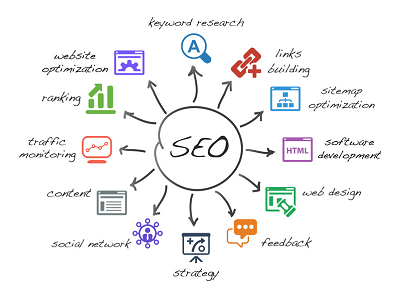
Additionally, you’ll need to ensure that your website is secure and that it meets the necessary technical requirements for SEO. This includes making sure that your website is fast and responsive, that it is HTTPS secure, and that it is mobile-friendly. All of these factors will help ensure that your website is properly indexed by search engines and that users trust your website. Finally, you’ll also need to monitor and adjust your SEO strategy as needed. This includes regularly monitoring your website’s performance, analyzing your competitors’ SEO strategies, and adjusting your strategy accordingly. By doing this, you can ensure that your website is always maximizing its potential and that it is always up-to-date with the latest SEO trends. By taking the time to pivot your SEO strategy when you reach enterprise level, you can ensure that your website is properly optimized and that it is reaching its full potential. This will help you stay competitive in the search engine rankings, attract more visitors to your website, and increase your overall ROI.
Get the latest SEO trends and predictions for 2023
As the search engine landscape continues to evolve, so do the SEO trends and predictions for 2023. As technology rapidly advances, so does the need for businesses to stay ahead of the curve in order to remain competitive. One of the biggest trends in SEO for 2023 is leveraging artificial intelligence (AI). AI is being used to analyze data quickly, allowing for a more personalized experience for consumers. AI-driven search engines such as Google and Bing are already leveraging AI to personalize search results, and this trend is only expected to grow in the coming years. AI is also being used to optimize content for better visibility, as well as to identify potential opportunities in terms of content, link building, and keyword usage.
Another trend that is expected to continue into 2023 is the use of voice search. Voice search technology is becoming more popular, with more people using it to search for information, products, and services. As such, businesses should optimize their content for voice search in order to increase visibility and reach. This can be achieved by using natural language, as well as by including long-tail keywords in content. In addition, content marketing will continue to remain a key factor in SEO for 2023. Content marketing involves creating high-quality content that is informative and helpful to consumers. This content should be optimized for SEO, and should be shared on social media and other digital platforms in order to reach a wider audience. Content marketing is an important part of any SEO strategy, and should be tailored to each individual business in order to maximize its reach and impact.
Finally, one of the biggest trends in SEO for 2023 is the shift towards mobile-first optimization. With more people relying on their mobile devices to access the internet, businesses need to ensure that their websites and content are optimized for mobile devices. This includes not only ensuring the website is responsive, but also that content is optimized for mobile devices and that any images are optimized for faster loading speeds.
Overall, the SEO trends and predictions for 2023 indicate that businesses need to stay ahead of the curve in order to remain competitive. Leveraging AI, optimizing for voice search, creating high-quality content, and optimizing for mobile devices are all essential components of a successful SEO strategy. By taking the time to understand these trends and implementing them into a comprehensive SEO strategy, businesses can ensure that they remain competitive in the ever-evolving search engine landscape.
Google January 2020 Broad Core Algorithm Update
What is the latest Google Algorithm Update, is a question that SEOs search the most nowadays. The major reason for “Google Algorithm Update” becoming such a trending keyword is due to the uncertainty caused after the roll out of each update. Google rolls out hundreds of core algorithm updates each year and the search engine giant announces a few that have far-reaching impact on the SERP.
Each time Google updates its algorithm, it’s moving a step forward in making the search experience easy and more relevant to the users. However, as SEO professionals, we get entangled with questions from clients on why the update caused fluctuation in rankings. 

Google has announced on January 13th that it has started rolling out the first Algorithm Update of 2020. However, the significance of this algorithm update increases as the search engine giant has confirmed that the new Google Update is a broad core algorithm update.
Google rolls out close to a thousand algorithm updates each year. However, it’s only a few times in a year that a broad core algorithm update is released. The significance of the broad core algorithm is closely related to the impact it has on the websites.
Unlike the core update, which usually goes unnoticed due to the fewer tremors it causes, the Broad Core Algorithm Update makes significant SERP fluctuations, which often results in giving webmasters panic attack.
All this said Google has been telling webmasters that the only way to recover from the impact of a Broad Core Algorithm update is by building great content. It also says that these updates are focused on improving the search quality by giving users better search results.
What is a Google Broad Core Algorithm Update
- Unlike the daily core update, the broad core update comes with far-reaching impact.
- Fluctuation in ranking positions can be detected for search queries globally.
- The update improves contextual results for search queries.
- There is no fix for websites that were previously hurt by Google update.
- The only fix is to improve the content quality.
- Focus more on Expertise, Authority and Trustworthiness (E.A.T)
Search
Blogroll
Categories
Recent Posts
Recent Comments
Archives
- November 2026
- August 2025
- December 2023
- November 2023
- October 2023
- September 2023
- August 2023
- June 2023
- May 2023
- April 2023
- March 2023
- February 2023
- January 2020
- January 2017
- May 2016
- December 2015
- July 2013
- February 2013
- January 2013
- December 2012
- November 2012
- October 2012
- September 2012
- July 2012
- June 2012
- April 2012
- March 2012
- February 2012
- January 2012
- December 2011
- November 2011
- October 2011
- September 2011
- August 2011
- July 2011
- May 2011
- April 2011
- March 2011
- February 2011
- January 2011
- December 2010
- November 2010
- October 2010
- September 2010
- August 2010
- July 2010
- March 2010
- February 2010
- January 2010
- December 2009
- October 2009
- September 2009
- August 2009
- July 2009
- June 2009
- May 2009
- April 2009
- March 2009
- February 2009
- January 2009
- December 2008
- November 2008
- October 2008
- September 2008
- August 2008
- July 2008
- June 2008
- May 2008
- April 2008
- March 2008
- February 2008
- January 2008
- December 2007
- November 2007
- October 2007
- September 2007
- August 2007
- July 2007
- June 2007
- April 2007
- March 2007
- February 2007
- January 2007
- December 2006
- November 2006
- October 2006
- September 2006
- August 2006
- July 2006
- May 2006
- April 2006
- February 2006
- January 2006
- December 2005