SEO
As artificial intelligence reshapes how people search online, a new discipline is emerging: Generative Engine Optimization (GEO). Unlike traditional SEO, which focuses on ranking in Google’s search results, GEO is about optimizing content for AI-powered engines like ChatGPT, Google Gemini, and other large language models (LLMs) that deliver direct answers instead of links. If your business depends on online visibility, it’s time to understand how GEO can help your brand show up in AI-generated responses and protect your digital strategy as search becomes more answer-first and conversational.
Generative Engine Optimization is the practice of tailoring digital content so it’s easily understood, trusted, cited, and surfaced by AI-driven search engines and assistants. Instead of relying mainly on keyword placement and traditional ranking signals, GEO focuses on structuring content for machine comprehension, ensuring information is credible, up-to-date, and verifiable, and adding semantic richness and structured cues that help AI models recognize your content as authoritative. As AI assistants increasingly summarize and recommend information directly, clear structure and reliability become the deciding factors for whether your content is used as a source.
GEO matters because traditional search results are evolving quickly. With AI assistants providing instant answers, fewer users may click through to websites, which means the old blue-link model is giving way to an “answer-first” experience. Brands that adopt GEO early can gain a competitive edge by increasing the chances their content is referenced in AI outputs—even when users don’t visit the site—keeping their expertise visible where decisions are being made. The strongest GEO strategies combine structured data and schema markup, credible and well-sourced writing, question-based content that mirrors real user prompts, long-form evergreen resources with real depth, transparency signals like citations and fresh updates, and early adoption of AI-facing standards like llms.txt. While GEO comes with challenges—like measurement difficulty, rapid change, and rising competition—the direction is clear: businesses that focus on structure, trust, and real usefulness will be the ones that continue to be discovered in the AI-driven future of search.
When it comes to SEO best practices, even the smallest details matter—especially how you structure your URLs. For years, SEOs have debated whether underscores (_) or hyphens (-) are better, and while Google has clarified this multiple times, confusion still remains. The truth is your URL is more than just an address; it acts as a signal for users and search engines. Clean, descriptive URLs can improve click-through rates, help search engines understand what a page is about, and create a better user experience. For example, a URL like (www.example.com/seo-tips-for-beginners) is clearer and more readable than something messy like (www.example.com/seotipsforbeginners123), which is where the hyphen vs underscore discussion becomes important.
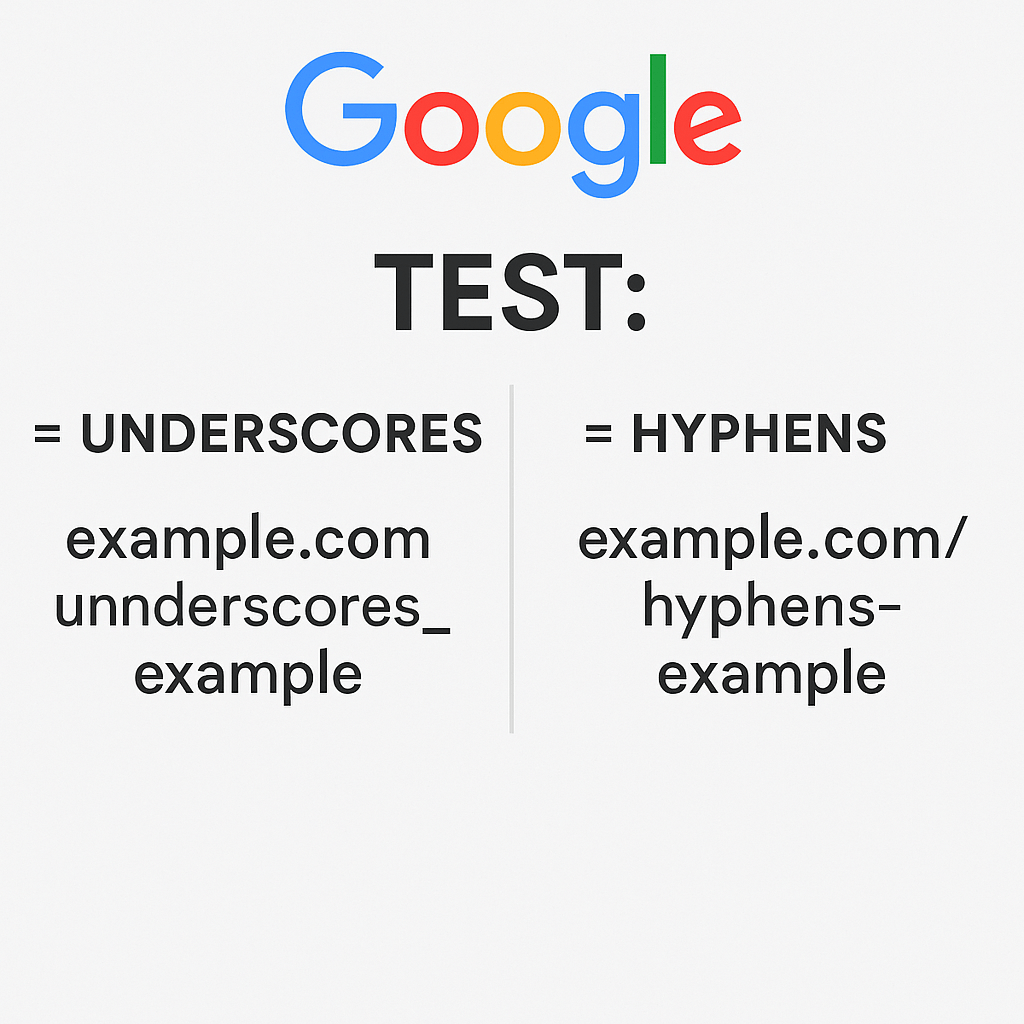
Google’s official position is straightforward: hyphens are treated as word separators, while underscores are treated as word joiners. In practical terms, best-seo-tools is understood as “best seo tools,” but best_seo_tools may be read as “bestseotools” as if it’s one combined word. That’s why hyphens are considered more SEO-friendly—they make it easier for Google to parse a URL into meaningful words. Even though modern search engines have improved and can often interpret both formats, Google still recommends hyphens because they improve readability, provide clearer keyword separation, and reduce ambiguity that underscores can sometimes create.
If you want your URLs to perform well in 2025, the best approach is to keep them short, descriptive, and easy to read, while using hyphens as your default separator. Avoid unnecessary numbers, extra words, or messy parameters, stick to lowercase letters, and don’t change old URLs unless it’s absolutely necessary—if you do, use proper redirects. A simple comparison makes the point clear: www.example.com/mens-suits-charcoal-grey is more readable and keyword-friendly than www.example.com/mens_suits_charcoal_grey. Both can rank, but the hyphen version is typically clearer for users and search engines, which can help improve CTR and overall SEO performance.
Data Prior to Florida” refers to information collected or analyzed before the state of Florida became a focal point or a reference point in a specific context. This phrase could apply to various fields, such as epidemiology, finance, or climate studies, where historical or pre-existing data sets are crucial for analysis and decision-making.
In epidemiology, for example, “Data Prior to Florida” might pertain to information collected before a significant health event or outbreak in the state, serving as a baseline for understanding the progression or impact of the event. This historical data is valuable for identifying patterns, predicting trends, and informing public health strategies.
In finance, the term could be used to reference financial data and market trends preceding notable events or changes in Florida’s economic landscape. Analyzing data before a specific period allows for a comprehensive understanding of economic conditions and potential influencing factors.
In climate studies, researchers might examine “Data Prior to Florida” to assess historical weather patterns, temperature trends, or environmental conditions. This information can contribute to studies on climate change, resilience planning, and risk assessment.
Overall, the phrase underscores the importance of historical data in gaining insights, making informed decisions, and understanding the context before a particular event or development in the state of Florida.
The integration of Wordtracker and Overture into a unified tool marks a significant advancement in keyword research and search engine optimization (SEO) strategies. Combining the strengths of these two platforms creates a comprehensive solution for digital marketers and website developers seeking to optimize their online presence.
Wordtracker, known for its robust keyword research capabilities, allows users to identify relevant and high-performing keywords for their content. On the other hand, Overture provides insights into keyword popularity and search volume trends. By merging these tools, users gain a more holistic view of keyword effectiveness and user search behavior.
This unified tool streamlines the keyword research process, enabling users to access both platforms seamlessly. It empowers marketers to make data-driven decisions by considering both the specificity of Wordtracker’s keyword suggestions and the broader trends reflected in Overture’s data.
The integration enhances the efficiency of SEO campaigns, aiding in the selection of keywords that align with user intent and are likely to drive significant traffic. As digital landscapes evolve, having a unified tool that amalgamates the strengths of Wordtracker and Overture becomes instrumental in staying ahead in the competitive online environment.
Nielsen’s Latest Top Ten in Usability provides valuable insights into the current trends and benchmarks in user experience. This list, curated by usability expert Jakob Nielsen, reflects the evolving landscape of usability in digital interfaces. The rankings likely encompass factors such as website navigation, accessibility, responsiveness, and overall user satisfaction.
Usability is a critical aspect of web design, influencing user engagement and success in achieving specific goals. Nielsen’s expertise in this field ensures that the Top Ten highlights platforms that excel in creating intuitive, user-friendly experiences. It’s essential for businesses and developers to stay informed about these rankings, as they offer a snapshot of best practices and emerging standards in usability.
Staying abreast of Nielsen’s Latest Top Ten in Usability is not only beneficial for professionals in the web development and design industries but also for users who increasingly rely on digital platforms for various tasks. As technology evolves, the usability of digital interfaces plays a pivotal role in enhancing user experiences and shaping the future of user-centric design.
When it comes to user experience (UX), few names carry as much weight as Jakob Nielsen, co-founder of the Nielsen Norman Group (NN/g). Known as the “guru of web usability,” Nielsen’s research has shaped how businesses, designers, and developers approach digital product design for decades.
Recently, Nielsen and NN/g released their latest “Top Ten in Usability” list, highlighting the most important principles shaping the future of user experience. Whether you’re a UX designer, product manager, or digital marketer, understanding these insights is essential to building products people love to use.
Nielsen’s usability guidelines matter because they’re not just “nice ideas” about design—they’re practical, research-backed best practices proven through years of user testing. When teams follow these principles, websites and apps become easier to use, which directly reduces user frustration and confusion. That translates into better task completion (people can actually do what they came for), higher satisfaction, stronger retention, and ultimately better business outcomes because the product is built around real user behavior instead of assumptions.
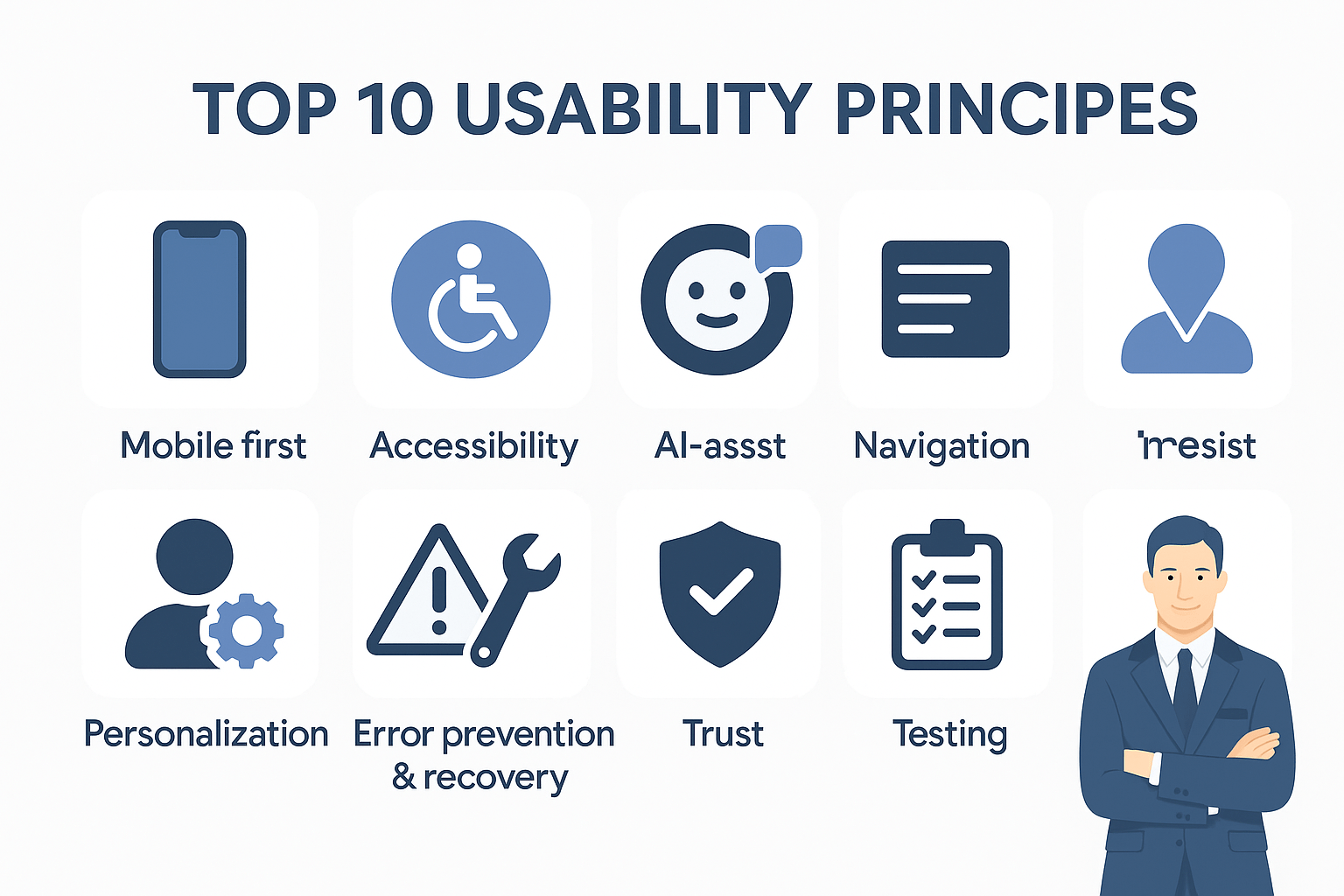
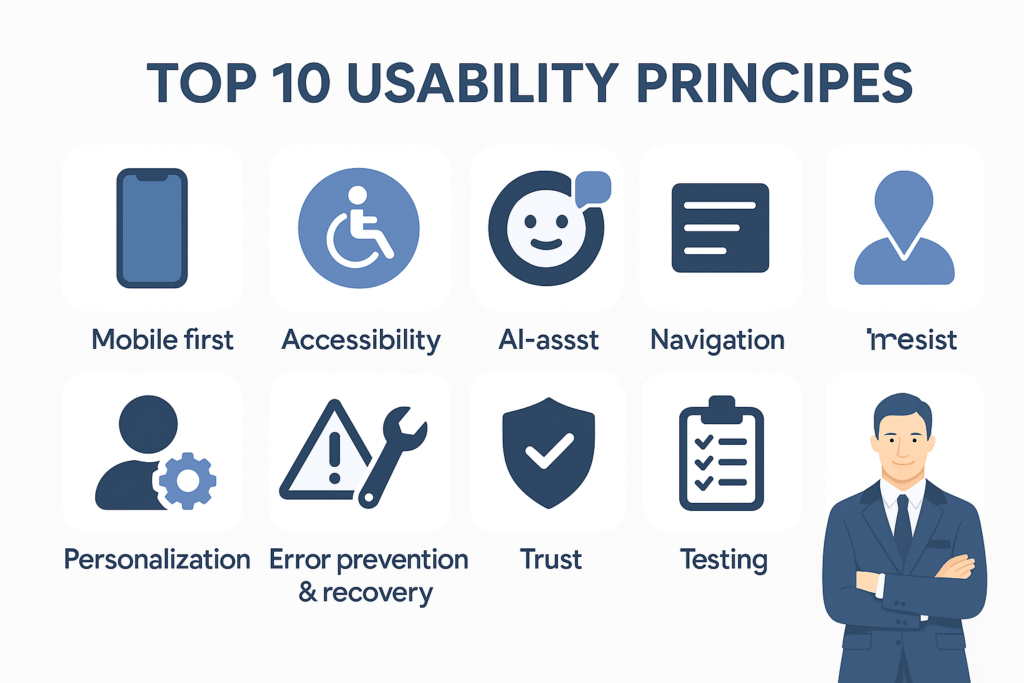
Nielsen’s latest usability insights show where modern UX priorities are heading, especially as technology and user expectations evolve. Mobile-first experience is now essential because most users interact on small screens, so responsiveness and thumb-friendly design can’t be optional. Clarity beats cleverness—users want straightforward labels and visible features instead of confusing jargon or hidden interactions. Accessibility has moved from “extra” to “core,” ensuring everyone—including people with disabilities—can use your product comfortably. Performance remains a major UX factor, since faster load times reduce bounce rates and keep users engaged. AI-integrated assistance is also becoming part of usability, meaning AI features should support users naturally without cluttering or overwhelming the interface. Personalization can boost engagement when it adapts content to user needs, but it must stay transparent and easy to control. Navigation should be simple and predictable, supported by clear menus, search, and breadcrumbs to reduce friction. Error prevention and recovery still matter a lot—good validation, clear messages, and undo options help users recover quickly. Trust and transparency are growing priorities too, with users expecting honest messaging, visible policies, and secure experiences. And finally, usability isn’t a one-time checklist—continuous testing and iteration is key, using feedback loops to keep improving as users and platforms change.
Businesses can apply these insights by building usability into their routine, not treating it as a final polish step. That means running regular usability tests, prioritizing mobile optimization and accessibility on every project, and using analytics plus customer feedback to identify where users struggle. Teams should also be trained to think in a user-centered way so decisions are based on what people actually need. Nielsen’s top usability priorities reinforce a timeless truth: while tools and trends evolve, great design still comes down to making experiences simple, clear, fast, and user-friendly—so customers not only succeed quickly, but also trust your brand and keep coming back.
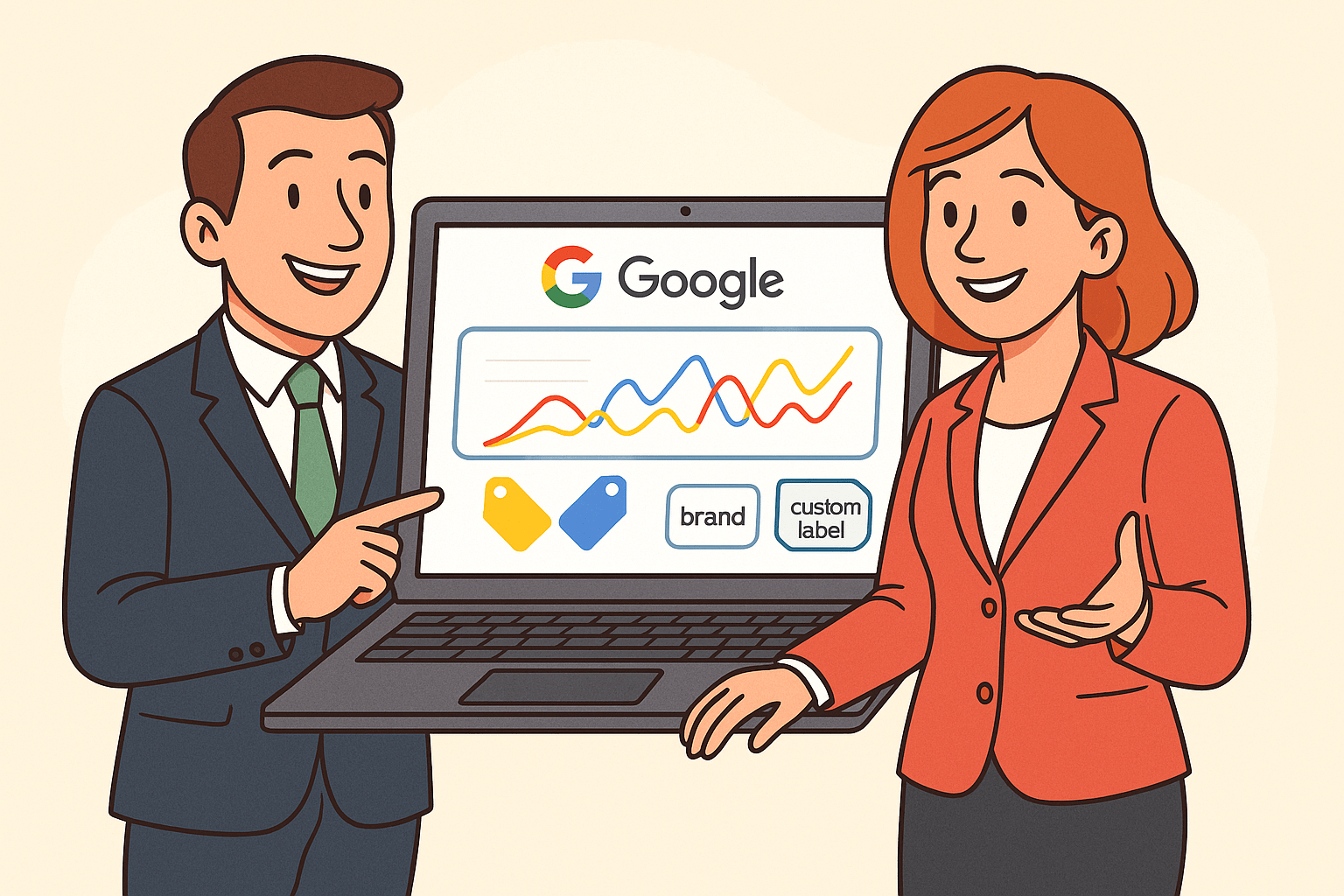
In the ever-evolving landscape of digital advertising, optimizing Google Ads performance is crucial for businesses seeking to maximize their online visibility and reach their target audience effectively. One effective strategy is the utilization of Brand and Custom Labels within the Performance Max Products framework.
Brand labels play a pivotal role in establishing and reinforcing brand identity across various advertising channels. By incorporating brand labels into Google Ads, businesses can enhance the recognition and recall of their products or services. This, in turn, fosters a sense of trust and familiarity among potential customers, potentially leading to increased click-through rates and conversions.
Custom Labels provide an additional layer of flexibility and personalization in organizing product data for advertising purposes. Businesses can categorize products based on specific criteria that align with their marketing strategy. This allows for more targeted and tailored advertising campaigns, ensuring that products are showcased to the most relevant audience segments. For instance, custom labels can be employed to highlight new arrivals, best sellers, or items on sale, catering to diverse customer preferences.
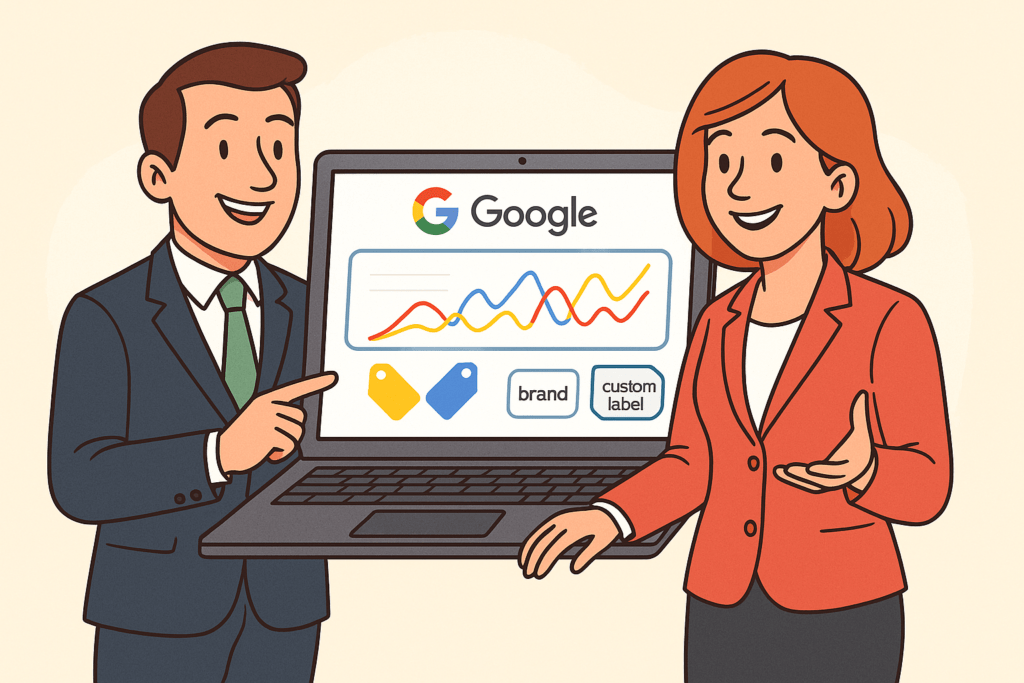
The Performance Max Products framework introduces a dynamic and automated approach to campaign management, optimizing ad placements across various Google networks to achieve the best possible outcomes. Integrating Brand and Custom Labels into this framework enhances its capabilities further, providing advertisers with granular control over product categorization and promotion.
Moreover, this strategy aligns with Google’s focus on user experience, as ads are more likely to resonate with users when they are relevant and personalized. Advertisers leveraging Brand and Custom Labels within Performance Max Products are better positioned to adapt to changing market trends, refine their targeting strategies, and ultimately drive more impactful and cost-effective advertising campaigns.
When it comes to optimizing ROI in Google Ads, perhaps the most powerful and underleveraged tactic is using brand and custom labels for Performance Max campaigns. Brand and custom labels are tools that enable advertisers to segment products, structure campaigns, and serve more intelligent bidding strategies that have an instant effect on sales performance.
What Are Brand and Custom Labels
Brand Labels: Employed to differentiate products based on their brand name or manufacturing company. For those retailers with more than one brand in their inventory, this aids in isolating ad campaigns and tracking performance by different product lines.
Custom Labels: Dynamic tags you apply to items in your Google Merchant Center feed. They can denote categories such as season, price points, margin levels, bestsellers, clearances, or holiday campaigns. They don’t show up in ads but assist advertisers in sorting, filtering, and optimizing campaigns.
Why Use Them in Performance Max Campaigns?
- Performance Max campaigns heavily depend on organized data to deliver the right ad to the right people. Brand and custom labels enhance:
- Campaign Organization – Organize products based on attributes like “high margin,” “holiday collection,” or “premium brand.”
- Bidding Efficiency – Spend more budgets on high-margin or trending products and less for clearance products.
How to Use Brand and Custom Labels
In Google Merchant Center, allocate custom labels (0–4 slots available) to products according to your strategy. Example:
- Custom Label 0: “Bestsellers”
- Custom Label 1: “High Margin”
- Custom Label 2: “Holiday Promo”
Sync the feed with Google Ads and organize your Performance Max campaigns using these labels.
Optimize bidding and budget distribution by segment so top-performing categories receive greater visibility.
Align With Promotions: Add new or modify existing labels during seasonal campaigns to catch timely demand.
Conclusion
it’s about more intelligent optimization. By segmenting products by profitability, seasonality, or brand, companies can better budget, get more powerful campaign insights, and ultimately achieve greater ROI.
In the dynamic landscape of web development, JavaScript plays a crucial role in creating interactive and feature-rich websites. However, its usage has posed challenges for search engines like Google when it comes to indexing and ranking web pages. JavaScript indexing delays have been a persistent concern for website owners and SEO professionals. This essay delves into the complexities of JavaScript indexing, highlights the underlying issues causing delays, and examines Google’s continuous efforts to overcome these challenges.
The Role of JavaScript in Web Development
JavaScript is a versatile programming language that enables developers to build interactive elements, dynamic content, and modern user interfaces on websites. Its capabilities have transformed the web from static pages to dynamic, application-like experiences. Modern web applications often rely heavily on JavaScript frameworks and libraries, allowing content to be generated, modified, and presented dynamically based on user interactions. This shift, while enhancing user experience, has introduced complexities for search engines that primarily rely on HTML for indexing.
Challenges in JavaScript Indexing
Search engines traditionally rely on crawling HTML content to understand the structure and relevance of web pages. However, JavaScript-generated content poses challenges due to its asynchronous execution and client-side rendering. Some of the key challenges include:
1. Delayed Rendering: JavaScript-generated content often requires the browser to execute scripts to render the final content. This can lead to indexing delays as search engine crawlers need to wait for the rendering process to complete before capturing the content.
2. Single Page Applications (SPAs): SPAs are built entirely using JavaScript frameworks, dynamically loading content as users navigate the site. This can cause indexing delays as search engines may struggle to crawl and index individual sections of the page.
3. Dynamic Data Fetching: JavaScript is commonly used to fetch data from APIs and databases. This dynamic data may not be readily available during the initial crawl, leading to incomplete or outdated indexing.
4. Resource-Intensive Frameworks: Some JavaScript frameworks and libraries are resource-intensive and can slow down rendering, affecting indexing speed.
Google’s Journey to JavaScript Indexing
Google, being the dominant search engine, recognized the importance of accurately indexing JavaScript-powered websites. The journey to address JavaScript indexing challenges can be summarized in three phases:
1. Limited Understanding (Early Days): In the early stages, Google’s ability to understand JavaScript-generated content was limited. JavaScript-driven content was often ignored or inadequately indexed, resulting in poor search visibility for websites.
2. Introduction of Rendering (Mid-2010s): Realizing the significance of JavaScript, Google introduced rendering, where Googlebot would execute JavaScript to view the final content as users do. This marked a significant improvement in indexing JavaScript-generated content, reducing delays.
3. Continuous Improvements (Present): Google has continued to refine its rendering capabilities and algorithms to better handle JavaScript content. This includes improved understanding of asynchronous content loading, handling SPAs, and optimizing indexing efficiency.
Ongoing Challenges and Solutions
Despite Google’s advancements in JavaScript indexing, challenges persist. Several factors contribute to ongoing delays:
1. Crawl Budget: Google allocates a limited time for crawling each website. JavaScript-intensive websites may have their content partially indexed due to time constraints.
2. Dynamic Data: Content fetched via JavaScript from external sources might not be available during initial indexing. Google has recommended using server-side rendering (SSR) to address this issue.
3. Mobile-First Indexing: Google has shifted to mobile-first indexing, prioritizing the mobile version of websites. This introduces additional challenges for indexing JavaScript content on mobile devices.
Best Practices for JavaScript SEO
Website owners and developers can adopt best practices to mitigate JavaScript indexing delays and ensure optimal SEO performance:
1. Use Progressive Enhancement: Implement core content using standard HTML to ensure that essential information is accessible even without JavaScript.
2. Server-Side Rendering (SSR): Consider using SSR techniques to pre-render content on the server, ensuring search engines can access the complete content during indexing.
3. Canonical URLs: Ensure that canonical URLs are correctly specified for JavaScript-generated content to prevent duplicate content issues.
4. Structured Data Markup: Implement structured data using JSON-LD or other formats to enhance search engines’ understanding of the content.
5. Optimize Performance: Minimize resource-intensive JavaScript libraries and optimize performance to facilitate faster rendering during indexing.
JavaScript indexing delays remain a challenge for Google and other search engines due to the dynamic and asynchronous nature of JavaScript-powered content. However, Google’s persistent efforts to improve rendering capabilities have significantly mitigated these challenges. Website owners and developers play a crucial role in optimizing their websites for search engines by following best practices that ensure timely and accurate indexing of JavaScript-generated content. As the web continues to evolve, collaboration between search engines and web developers will be vital to maintaining a balance between dynamic user experiences and effective SEO practices.
Tags: Google plus, SEO, SEO Blog Back Again
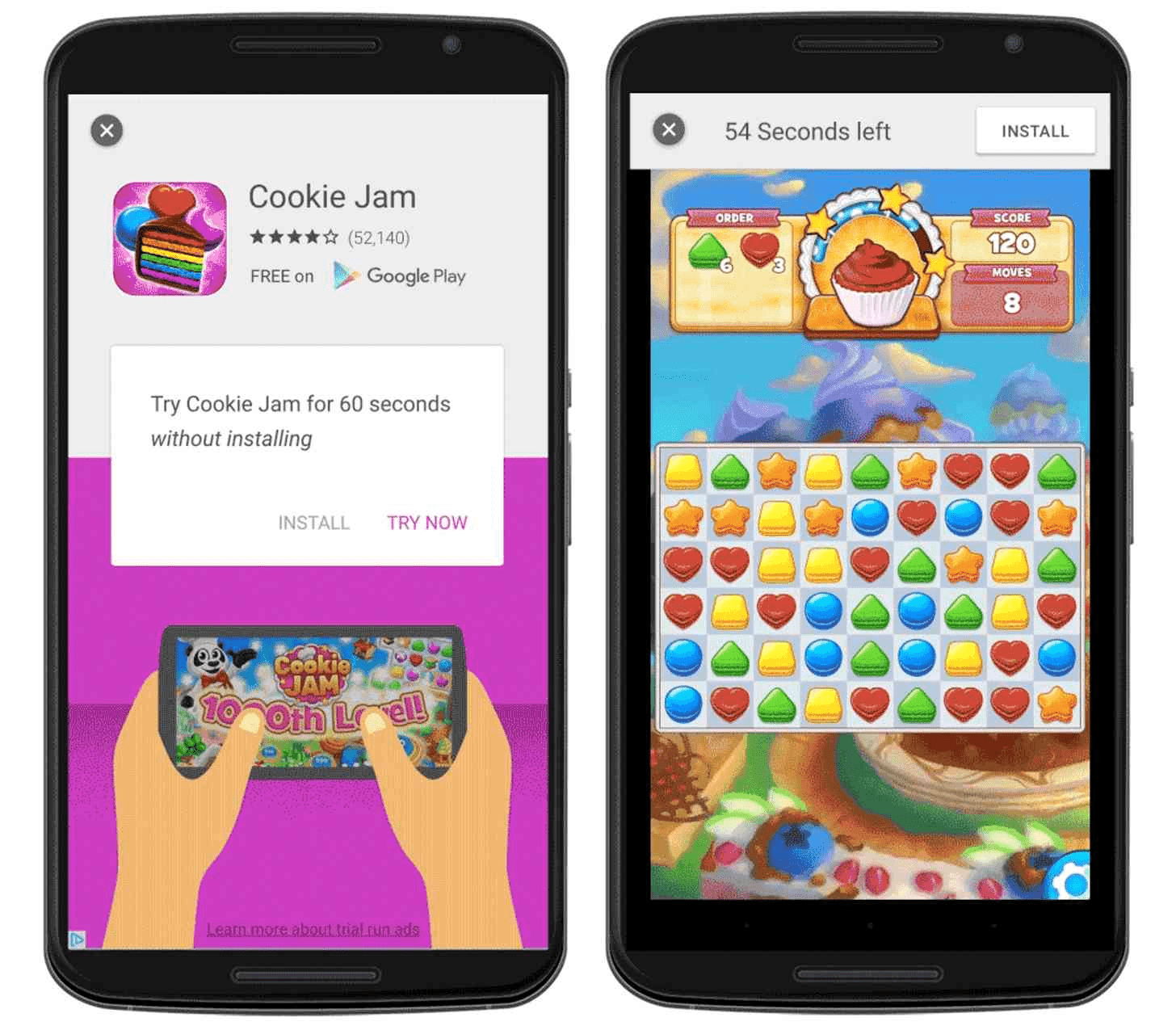
In the dynamic world of digital advertising, innovation is the key to capturing user attention and achieving marketing success. Google’s recent release of ‘Trial Runs’ streaming app ads marks a groundbreaking shift in app marketing strategies. This essay dives into the intricacies of this innovative approach, analyzing its impact on user engagement, app adoption, and the broader landscape of digital advertising.
The Power of Streaming App Ads
1. Redefining Engagement: Streaming app ads allow users to experience the app’s functionality in real-time, breaking down barriers and enhancing engagement.
2. Interactive Previews: ‘Trial Runs’ offer interactive previews of apps, giving users a taste of the experience before downloading.
Introducing Google’s ‘Trial Runs’ Streaming App Ads
1. In-App Streaming: ‘Trial Runs’ leverage Google’s cloud-based technology to stream apps in real-time, eliminating the need for downloads.
2. Seamless Interaction: Users can interact with the app during the streaming experience, exploring its features and functionality.
The Value Proposition for Advertisers
1. Enhanced Engagement Metrics: Streaming app ads provide advertisers with more accurate engagement metrics, including time spent within the app.
2. Quality Leads: Users who experience the app’s functionality before download are more likely to convert, resulting in higher-quality leads.
Empowering Users: A User-Centric Approach
1. Empowering Decision-Making: ‘Trial Runs’ empower users to make informed decisions about app downloads by offering a firsthand experience.
2. Reducing App Abandonment: Users who engage with the app’s features are more likely to continue using it after download, reducing app abandonment rates.
Streamlining User Acquisition: The Impact on App Adoption
1. Lowering Barriers: Traditional app downloads can be cumbersome. ‘Trial Runs’ streamline the acquisition process, potentially boosting app adoption rates.
2. Reducing Uninstalls: Users who have interacted with the app are more likely to find value in it, leading to fewer uninstalls after download.
Analyzing the Advertiser-User Relationship
1. Interactive Engagement: ‘Trial Runs’ foster an interactive relationship between advertisers and users, allowing for a more personalized experience.
2. Real-Time Feedback: Users’ real-time interactions with the app during streaming provide valuable feedback to advertisers for further improvements.
Innovation vs. Privacy Concerns: Balancing the Equation
1. Data Privacy: While ‘Trial Runs’ offer enhanced user engagement, concerns about data privacy and permissions need to be addressed.
2. Informed Consent: Users should be informed about the data collection process during streaming and given the option to opt in or out.
The Broader Implications: Shaping the Future of Digital Advertising
1. Transforming User Experience: Streaming app ads signify a shift toward more immersive and interactive user experiences in advertising.
2. Competitive Edge: Advertisers adopting innovative approaches like ‘Trial Runs’ gain a competitive edge by offering unique value to users.
Ethical Considerations and Transparency
1. Transparent Communication: Advertisers must clearly communicate the streaming nature of the ad and the data collection process to users.
2. User Empowerment: Users should have control over the amount of data shared during the streaming experience, ensuring their consent is respected.
Google’s introduction of ‘Trial Runs’ streaming app ads represents a transformative leap in app marketing, reshaping user engagement, acquisition strategies, and the way we perceive digital advertising. By empowering users to experience apps firsthand and offering advertisers more valuable insights, ‘Trial Runs’ pave the way for a future of more immersive, interactive, and user-centric advertising experiences. However, the balance between innovation and privacy considerations is paramount, requiring transparency, informed consent, and ethical practices to ensure that the evolution of digital advertising benefits all stakeholders involved.
Tags: App Marketing Revolution, App Marketing Strategies, Real-Time App Streaming, SEO Blog Back Again, Trial Runs Streaming Ads