




Enhance Google Ads Performance with Brand and Custom Labels in Performance Max Products.
In the ever-evolving landscape of digital advertising, optimizing Google Ads performance is crucial for businesses seeking to maximize their online visibility and reach their target audience effectively. One effective strategy is the utilization of Brand and Custom Labels within the Performance Max Products framework.
Brand labels play a pivotal role in establishing and reinforcing brand identity across various advertising channels. By incorporating brand labels into Google Ads, businesses can enhance the recognition and recall of their products or services. This, in turn, fosters a sense of trust and familiarity among potential customers, potentially leading to increased click-through rates and conversions.
Custom Labels provide an additional layer of flexibility and personalization in organizing product data for advertising purposes. Businesses can categorize products based on specific criteria that align with their marketing strategy. This allows for more targeted and tailored advertising campaigns, ensuring that products are showcased to the most relevant audience segments. For instance, custom labels can be employed to highlight new arrivals, best sellers, or items on sale, catering to diverse customer preferences.
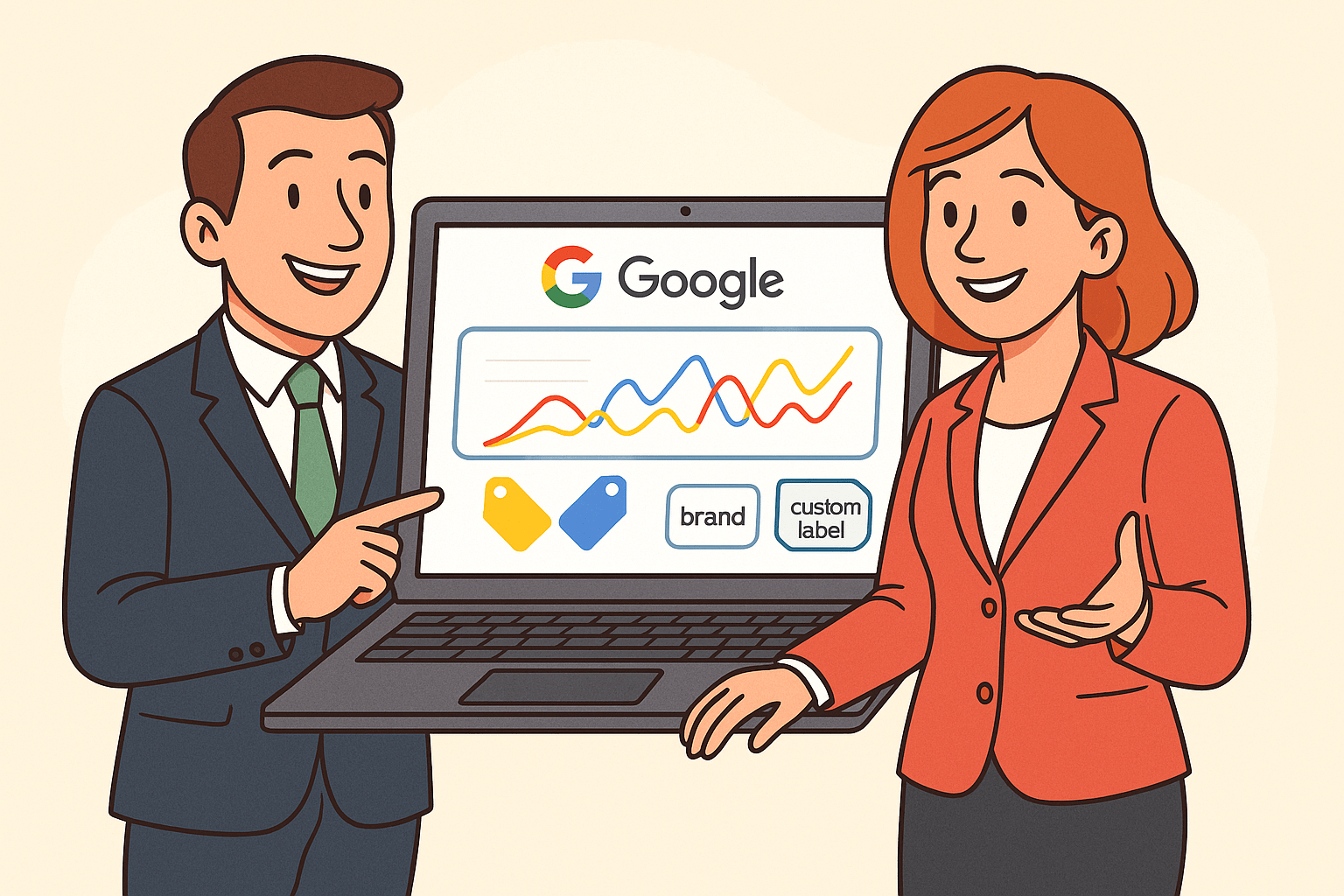
The Performance Max Products framework introduces a dynamic and automated approach to campaign management, optimizing ad placements across various Google networks to achieve the best possible outcomes. Integrating Brand and Custom Labels into this framework enhances its capabilities further, providing advertisers with granular control over product categorization and promotion.
Moreover, this strategy aligns with Google’s focus on user experience, as ads are more likely to resonate with users when they are relevant and personalized. Advertisers leveraging Brand and Custom Labels within Performance Max Products are better positioned to adapt to changing market trends, refine their targeting strategies, and ultimately drive more impactful and cost-effective advertising campaigns.
When it comes to optimizing ROI in Google Ads, perhaps the most powerful and underleveraged tactic is using brand and custom labels for Performance Max campaigns. Brand and custom labels are tools that enable advertisers to segment products, structure campaigns, and serve more intelligent bidding strategies that have an instant effect on sales performance.
What Are Brand and Custom Labels
Brand Labels: Employed to differentiate products based on their brand name or manufacturing company. For those retailers with more than one brand in their inventory, this aids in isolating ad campaigns and tracking performance by different product lines.
Custom Labels: Dynamic tags you apply to items in your Google Merchant Center feed. They can denote categories such as season, price points, margin levels, bestsellers, clearances, or holiday campaigns. They don’t show up in ads but assist advertisers in sorting, filtering, and optimizing campaigns.
Why Use Them in Performance Max Campaigns?
- Performance Max campaigns heavily depend on organized data to deliver the right ad to the right people. Brand and custom labels enhance:
- Campaign Organization – Organize products based on attributes like “high margin,” “holiday collection,” or “premium brand.”
- Bidding Efficiency – Spend more budgets on high-margin or trending products and less for clearance products.
How to Use Brand and Custom Labels
In Google Merchant Center, allocate custom labels (0–4 slots available) to products according to your strategy. Example:
- Custom Label 0: “Bestsellers”
- Custom Label 1: “High Margin”
- Custom Label 2: “Holiday Promo”
Sync the feed with Google Ads and organize your Performance Max campaigns using these labels.
Optimize bidding and budget distribution by segment so top-performing categories receive greater visibility.
Align With Promotions: Add new or modify existing labels during seasonal campaigns to catch timely demand.
Conclusion
it’s about more intelligent optimization. By segmenting products by profitability, seasonality, or brand, companies can better budget, get more powerful campaign insights, and ultimately achieve greater ROI.
A Google Ads glitch erroneously notifies certain advertisers of the suspension of their ad accounts.
Right before the much-anticipated Thanksgiving holiday and the onset of the extensive holiday shopping spree, including the highly anticipated Black Friday and Cyber Monday events, a wave of concern swept through certain advertisers who received unsettling emails from Google Ads. These emails conveyed the alarming message that their ads were no longer running, and their accounts had been suspended. However, this predicament was not a result of any policy violations or account issues but, rather, a technical glitch within the Google Ads system. Google swiftly reassured the affected advertisers that the messages were erroneous and could be disregarded.
The issue came to light when he brought attention to it on a platform, sharing a screenshot of the email’s subject line that read, “Alert Your Shopping ads are no longer running on Google.” he noted that clients were panicking over the apparent suspension of their Google Merchant Center (GMC) accounts due to this email. To allay concerns, he and others responded with screenshots of the GMC and their ads actively running. He expressed bewilderment at the timing of these emails, questioning the rationale behind sending such notifications just hours before a major holiday. He pondered if it was an error or an intentional promotional email.
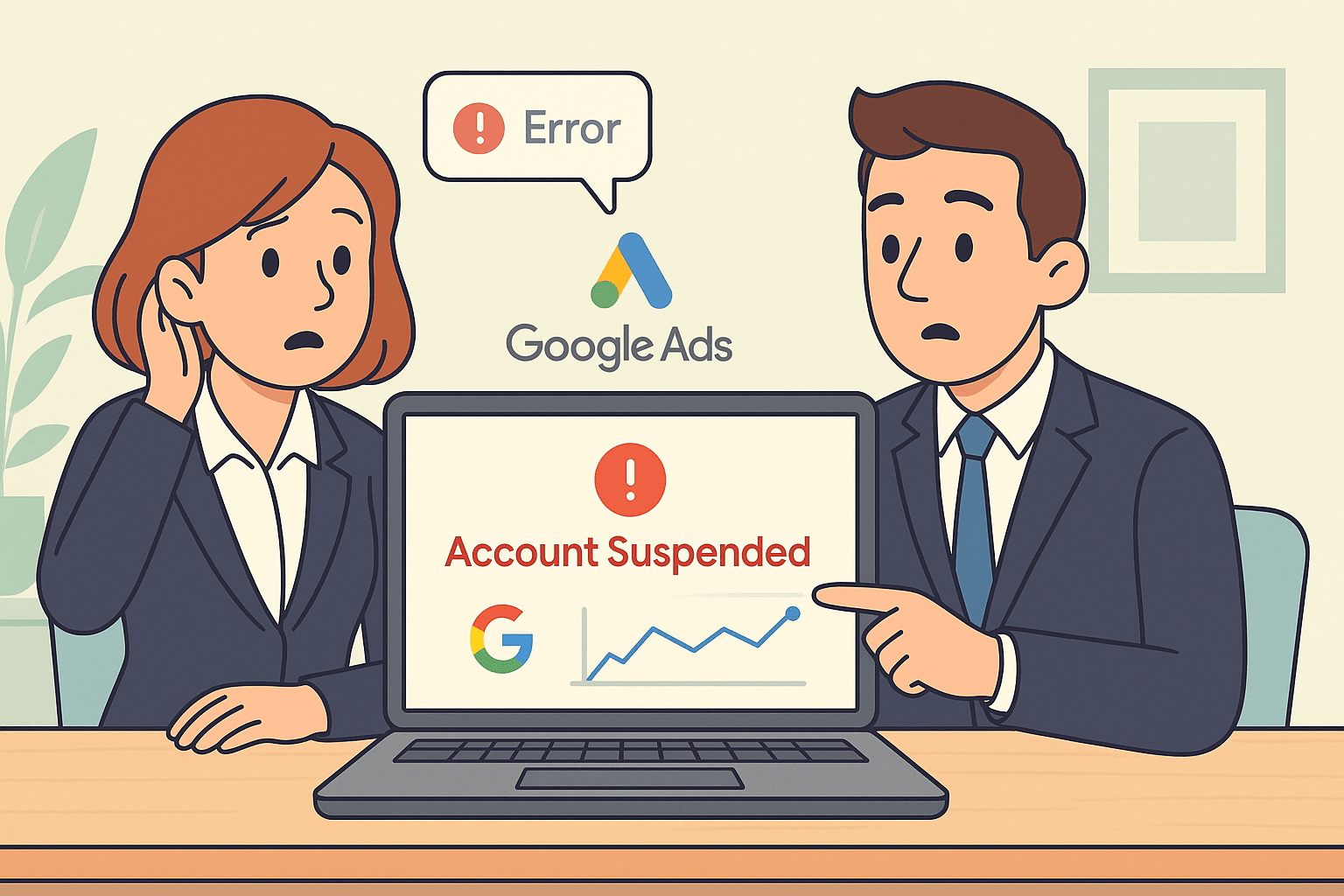
Responding to the situation, Ginny Marvin, the Google Ads Liaison, confirmed that the issue was indeed a bug. In her statement on the platform, she acknowledged, “We’ve identified a technical issue that incorrectly triggered this notification. The message is incorrect and can be ignored. Additional comms explaining will be sent. Apologies!” This clarification from a Google Ads representative helped alleviate concerns among advertisers affected by the erroneous messages.
Technical glitches and bugs in digital advertising platforms can have significant implications for advertisers, especially during crucial periods like the holiday season, where ad visibility and performance are paramount. The reassurance from Google Ads regarding the nature of the issue and the provision of additional communication to explain the situation indicate a commitment to transparency and customer support. While bugs are an inevitable part of technology, the timely identification and resolution of such issues are crucial to maintaining trust and confidence among advertisers relying on these platforms for their promotional activities.
What Happened?
A number of advertisers have reported they were sent scary messages indicating their Google Ads accounts were suspended due to policy infractions. The accounts were actually in good status, and the notices resulted from a system malfunction. The bug created automatic warnings that did not accurately represent the status of the accounts.
Google’s Response
Google admitted to the incident, explaining that it was a technical issue and not an enforcement action on their part. The firm ensured that no accounts were accidentally suspended and asked advertisers to ignore the false notifications. Advertisers were requested to review their Google Ads dashboard in order to identify the real status of their accounts, as opposed to the deceptive email or in-app notification.
Why This Matters for Advertisers
- Keeping track of account performance straight from the Google Ads interface.
- Remaining informed about official Google announcements before doing extreme changes.
- Having alternative advertising strategies in reserve to prevent dependence on one platform.
Lessons Learned
- Although the glitch has been repaired, advertisers can take a few important lessons away:
- Always Check Account Status – Don’t freak out at the appearance of a suspension notification. Sign in and verify the actual account status.
- Keep Touched to Official Channels – Google tends to make announcements on the Ads Help Center and official social media channels.
Final Thoughts
The Google Ads suspension notification bug was a brief but potent reminder of how much businesses rely on digital advertising platforms. Although no accounts were suspended, the situation highlights the importance of being on guard, communicating well, and having diversified marketing campaigns.
Fluctuations in Google Search Algorithm
Fluctuations in the Google Search Algorithm refer to the dynamic changes in the way Google’s search engine ranks and displays search results. Google employs complex algorithms to determine the relevance and ranking of web pages for a given query, and these algorithms are subject to regular updates, resulting in variations in search results. This phenomenon is often referred to as algorithmic volatility.
Google, being a search giant, continuously refines its algorithms to enhance user experience, improve the quality of search results, and combat spam and manipulation. These updates can have a profound impact on website rankings, influencing how content appears in search engine results pages (SERPs).
Algorithmic volatility can stem from various factors. Google routinely rolls out broad core algorithm updates, such as the Panda, Penguin, and BERT updates, which can significantly alter the search landscape. These updates aim to improve the understanding of user queries, prioritize high-quality content, and penalize sites engaging in manipulative practices.
Seasonal changes, user behavior shifts, and emerging trends also contribute to fluctuations in search algorithms. For instance, during major events, news stories, or trends, Google may adjust its algorithms to provide users with the most relevant and up-to-date information.
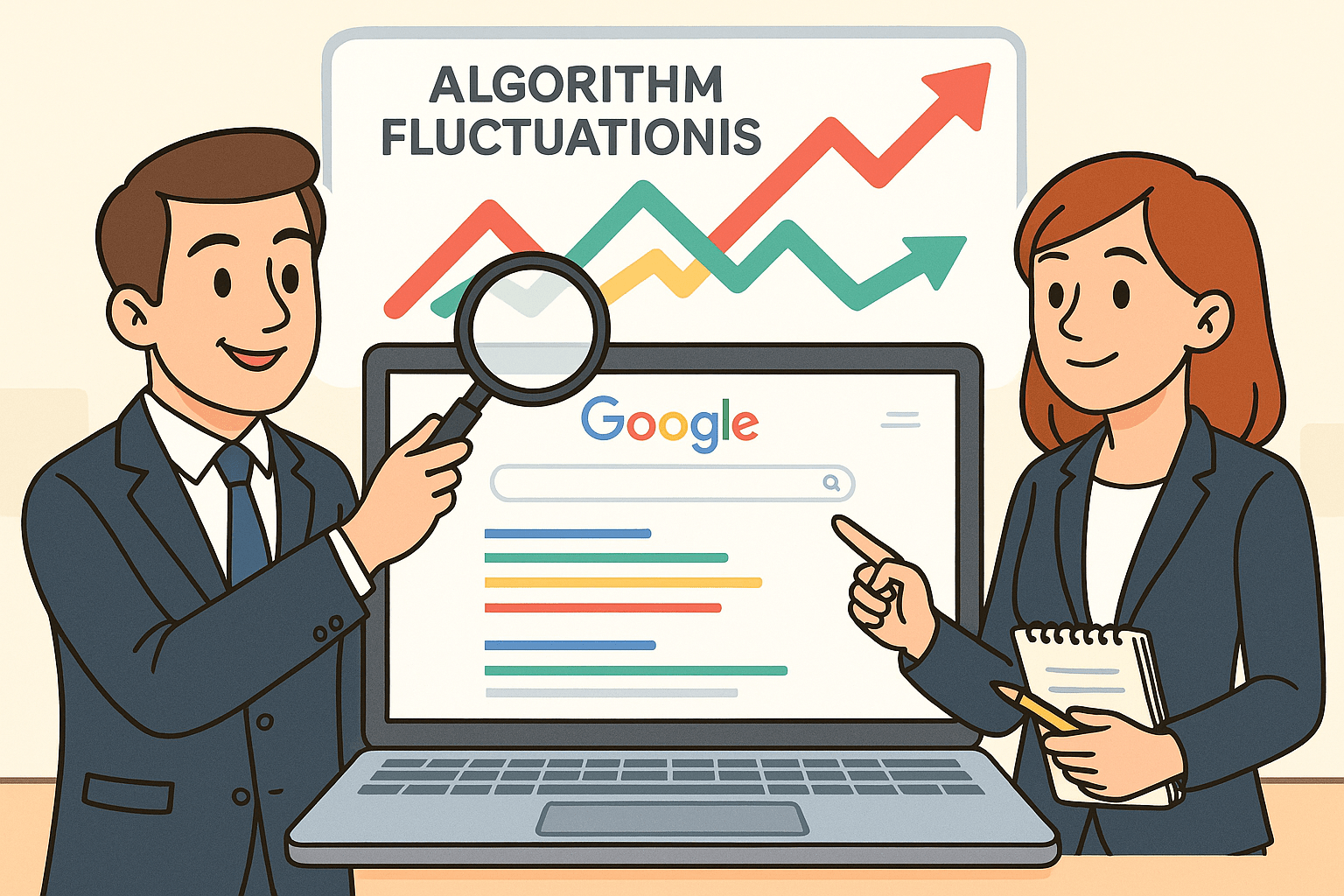
Webmasters and SEO professionals closely monitor algorithmic changes as they can impact website traffic and visibility. An understanding of these fluctuations is essential for adapting to the evolving search environment and ensuring that online content aligns with Google’s ranking criteria.
Moreover, algorithmic volatility underscores the importance of creating valuable, authoritative, and user-friendly content. Websites adhering to best practices in content creation, technical SEO, and user experience are better positioned to withstand the impact of algorithmic shifts and maintain or improve their search rankings.
Google Groups will resolve the issue by eliminating Usenet groups.
Introduction
Google officially announced it will sunset Usenet groups in Google Groups. This is the closing of a many-year chapter in internet history. One of the oldest online discussion systems (introduced in 1980), Usenet has slipped from the spotlight with the advent of contemporary forums, social networking sites, and sophisticated collaboration tools.
The action is in a bid to enhance security, minimize spam, and concentrate Google Groups on communities that continue to extensively use it.
Why Google Is Dropping Usenet Support
- Waning Usage – Usenet has remained dormant against newer platforms.
- Excessive Spam – Most groups were plagued by spam and malware links.
- Maintenance Fees – Sustaining outdated technology wastes resources.
- Security Threats – Aging protocols are difficult to protect against newer threats.
What This Means for Users
- Archived Content: Old Usenet posts will no longer be available through Google Groups.
- Active Groups: Other Google Groups that are not Usenet will remain unaffected.
- Alternatives: Discussions can be transferred to sites such as Reddit, Discord, or newer forums.
The End of an Era
For most, Usenet was the origin of online communities. It familiarized the world with threaded discussions, special interest groups, and international conversations years before Facebook or Twitter came on the scene. Although its usefulness diminished, its heritage remains a foundation point in the history of online communication.
Conclusion
Google’s move underscores the need to look toward new, secure, and thriving communities. With one door closing comes another opening—opening up a future where online collaboration keeps changing.
5 Marketing Principles To Maximize SEO Effectiveness
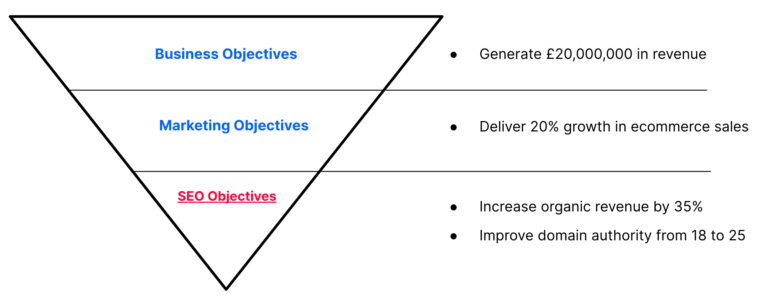
To maximize SEO (Search Engine Optimization) effectiveness, incorporating key marketing principles is crucial. Here are five principles to enhance your SEO strategy:
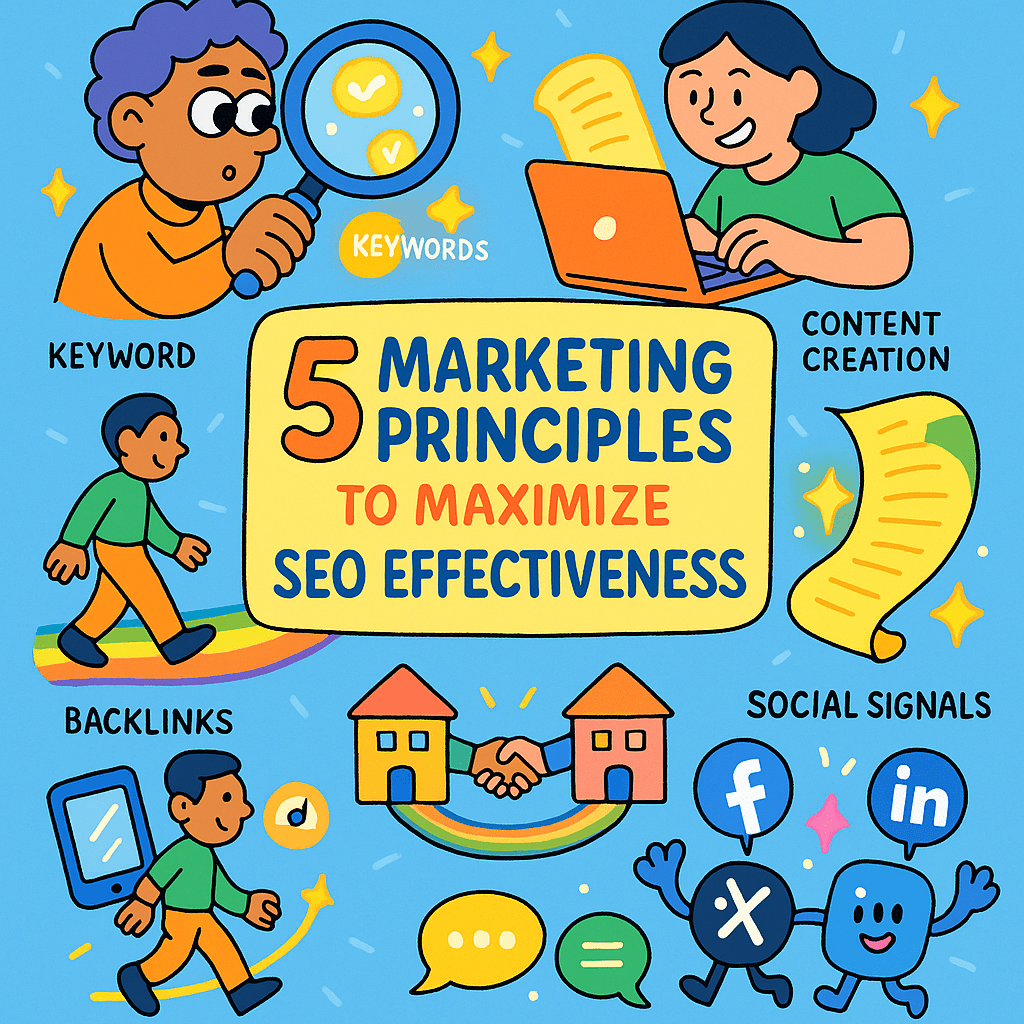
1. Keyword Research and Strategy:
Identify relevant keywords that align with your content and audience. Use tools like Google Keyword Planner to discover high-search-volume keywords and integrate them strategically into your content.
2. Quality Content Creation:
Develop high-quality, valuable, and relevant content that addresses the needs of your target audience. Engaging content not only attracts visitors but also encourages sharing and backlinking, contributing to SEO.
3. User Experience (UX) Optimization:
Prioritize a seamless and user-friendly website experience. Optimize site navigation, page loading speed, and mobile responsiveness. Positive UX signals are valued by search engines.
4. Link Building:
Build a strong backlink profile by earning high-quality inbound links from reputable websites. Focus on natural link-building strategies, such as creating shareable content and guest posting on authoritative platforms.
5. Social Media Integration:
Leverage social media platforms to amplify your content reach. Social signals, such as likes and shares, can indirectly influence search rankings. Share content across relevant social channels to increase visibility.
By integrating these marketing principles into your SEO strategy, you create a holistic approach that not only boosts your search engine rankings but also enhances overall online visibility and audience engagement. Regularly analyze and adapt your strategy based on SEO trends and algorithm updates for sustained effectiveness.
How Search Generative Experience works and why retrieval-augmented generation is our future
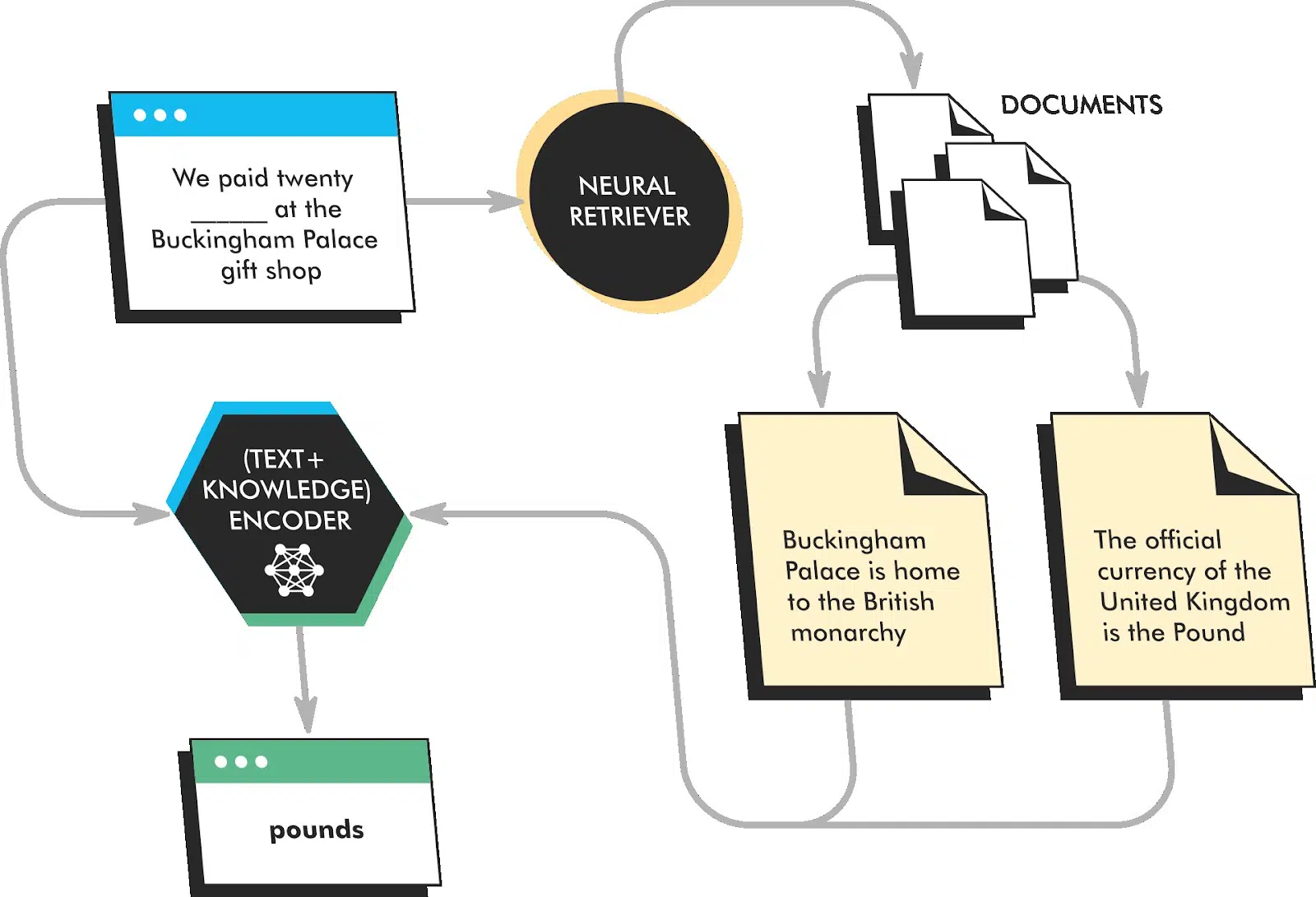
The concept of Search Generative Experience and retrieval-augmented generation represents an innovative approach to information retrieval and content creation. Here’s an explanation of how it works and why it’s considered a promising future direction:
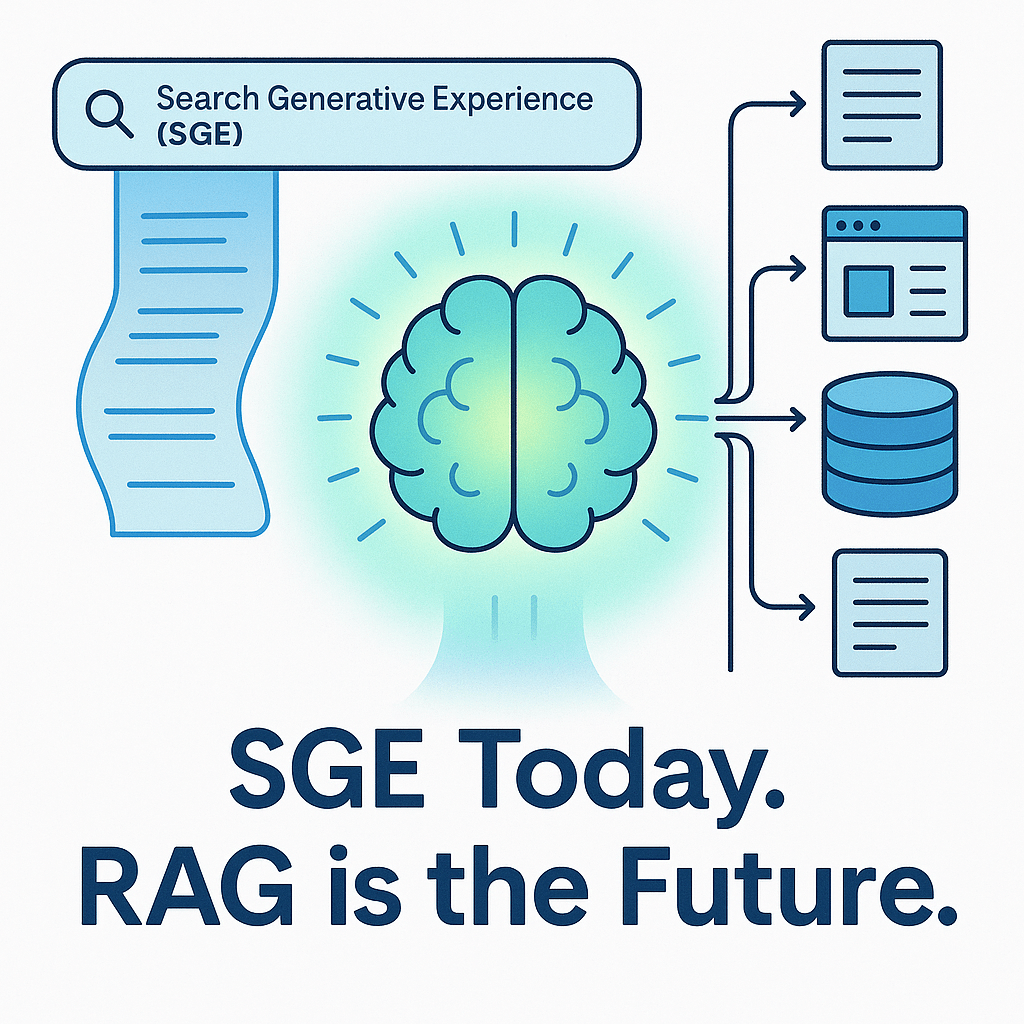
Search Generative Experience:
1. Contextual Understanding:
Search Generative Experience involves a system, like a language model, that can understand the context of a user’s query in a sophisticated manner. It doesn’t just look for keywords but interprets the intent and context behind the search.
2. Generative Output:
Once the context is understood, the system generates responses or content that is relevant to the query. This content is not limited to predefined responses but can be dynamically created based on the context.
3. Dynamic Adaptation:
The system can adapt its output based on the evolving conversation or query. It doesn’t rely on static responses but dynamically generates content based on the ongoing interaction.
Retrieval-Augmented Generation:
1. Combining Retrieval and Generation:
Retrieval-augmented generation involves the integration of two key approaches: retrieval-based methods and generative methods.
Retrieval-based methods retrieve pre-existing information or responses based on similarity to the query.
Generative methods create responses from scratch based on the context.
2. Hybrid Approach:
By combining these two approaches, the system can benefit from the strengths of both. It can provide contextually relevant responses from a large database of pre-existing information while also generating dynamic content when needed.
Advantages and Future Implications:
1. Improved Relevance and Context:
Retrieval-augmented generation ensures that responses are not only relevant to the query but also highly contextual. This leads to more accurate and meaningful interactions.
2. Adaptability and Personalization:
Such a system can adapt to individual user preferences and styles of communication. It can learn from past interactions to provide more personalized responses.
3. Efficient Content Creation:
For content creation tasks, this approach can be highly efficient. It can assist in generating articles, reports, or any form of written content based on specific criteria and context.
4. Conversational AI:
In chatbots and virtual assistants, this approach can make interactions more natural and dynamic. It can understand and respond to a wide range of user inputs.
5. Applications in Knowledge Management:
Retrieval-augmented generation can revolutionize knowledge management systems. It can help in finding and generating information within an organization more efficiently.
6. Research and Information Retrieval:
In academic or professional settings, this approach can assist in quickly finding relevant research papers, articles, or documents based on specific criteria.
Overall, the combination of Search Generative Experience and retrieval-augmented generation represents a powerful step forward in natural language processing and information retrieval. It holds the potential to significantly enhance the way we interact with AI systems and retrieve information in the digital age.
How SEOs can successfully collaborate with web developers

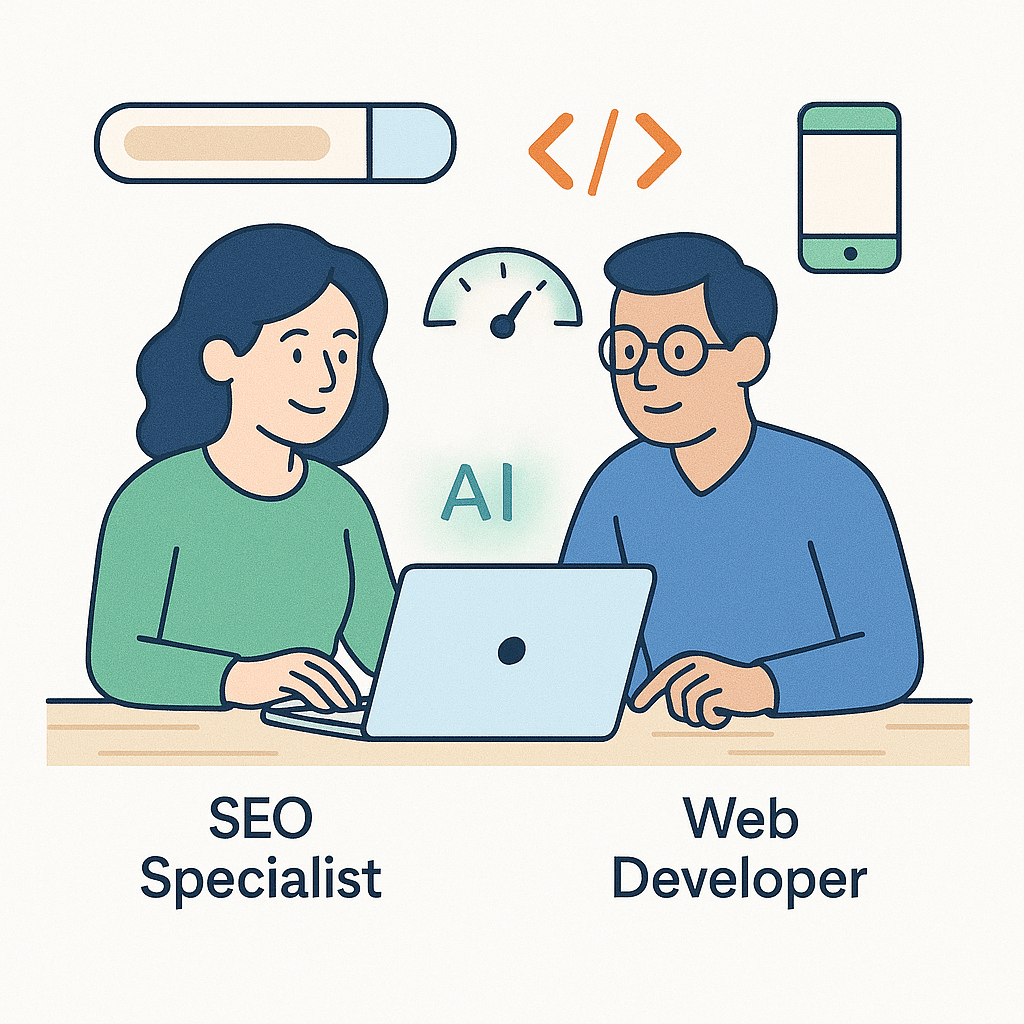
Collaboration between SEOs (Search Engine Optimizers) and web developers is crucial for creating a website that not only looks good but also performs well in search engine rankings. Here are some strategies for successful collaboration:
1. Open Communication Channels:
– Establish clear lines of communication between SEOs and web developers. Regular meetings, emails, and project management tools can be used to facilitate this.
2. Educate Each Other:
– SEOs should provide web developers with an understanding of SEO best practices, including keyword research, on-page optimization, and technical SEO elements.
– Web developers can educate SEOs about technical constraints and opportunities, ensuring that SEO strategies align with the website’s capabilities.
3. Involve SEO from the Beginning:
– Bring SEOs into the project from the planning phase. This ensures that SEO considerations are integrated from the outset rather than being retrofitted later.
4. Define Clear Roles and Responsibilities:
– Clearly outline who is responsible for what tasks. For instance, web developers handle technical implementations, while SEOs oversee content optimization and keyword targeting.
5. Collaborate on Site Architecture:
– Work together to design a logical site structure that is user-friendly and search engine-friendly. This includes navigation, URL structure, and internal linking.
6. Prioritize Page Speed and Performance:
– Web developers should optimize code, images, and other elements to ensure fast loading times. This is crucial for both user experience and SEO.
7. Mobile Optimization:
– Ensure the website is fully responsive and mobile-friendly. SEOs and web developers should work together to address any mobile-specific issues.
8. Implement Structured Data Markup:
– SEOs can provide guidance on implementing structured data to enhance search results, while web developers handle the technical implementation.
9. Collaborate on Content Creation and Optimization:
– SEOs should work with content creators to ensure that content is optimized for relevant keywords and provides value to users.
– Web developers can assist in creating a content management system (CMS) that is SEO-friendly and easy to use.
10. Technical SEO Audits:
– Conduct regular technical SEO audits to identify and address any issues. Web developers play a crucial role in implementing the necessary fixes.
11. Monitor Analytics and Reporting:
– SEOs and web developers should collaborate on setting up and interpreting web analytics. This helps track performance, identify areas for improvement, and measure the impact of SEO efforts.
12. Stay Updated on Industry Trends:
– Both SEOs and web developers should stay informed about the latest trends and updates in SEO and web development. This ensures that strategies remain effective in a constantly evolving landscape.
13. Test and Iterate:
– Continuously test and iterate on strategies. This includes A/B testing, monitoring rankings, and analyzing user behavior to make data-driven decisions.
14. Provide Constructive Feedback:
– Foster a culture of constructive feedback. This helps in refining processes and improving collaboration over time.
By following these strategies, SEOs and web developers can work together effectively to create websites that are optimized for search engines, user-friendly, and technically sound. This collaborative approach ultimately leads to better online visibility and user experiences.
Build trust and boost profits with programmatic ads

Building trust and boosting profits with programmatic ads requires a strategic approach that focuses on transparency, relevance, and customer-centricity. Here are some steps you can take to achieve this:

1. Transparency and Honesty:
Clearly Define Your Goals: Understand what you want to achieve with programmatic advertising, whether it’s driving website visits, generating leads, or increasing sales.
Explain Your Process: Provide clear explanations of how programmatic advertising works and how it benefits both advertisers and users.
2. Audience Segmentation:
Understand Your Audience: Use data to create detailed customer personas. This allows you to target specific segments with relevant content.
Utilize First-Party Data: Leverage data collected directly from your customers to ensure accuracy and relevance in your targeting.
3. Quality Content and Creative:
Create Compelling Ads: Design visually appealing, relevant, and engaging creatives that resonate with your target audience.
A/B Testing: Continuously test different ad formats, messages, and visuals to optimize performance.
4. Ad Placement and Context:
Choose the Right Channels: Select platforms that align with your audience’s preferences and behaviors.
Avoid Intrusiveness: Ensure ads are placed in a way that doesn’t disrupt the user experience.
5. Ad Frequency and Retargeting:
Optimize Ad Frequency: Avoid bombarding users with the same ad. Use frequency capping to maintain a balanced approach.
Implement Retargeting Strategies: Target users who have shown interest in your products or services but haven’t converted yet.
6. Ad Verification and Brand Safety:
Employ Ad Verification Tools: Ensure that your ads are being displayed on reputable websites and are not associated with harmful or low-quality content.
Monitor Ad Placements: Regularly review where your ads are being displayed to prevent any misalignment with your brand values.
7. Data Privacy and Compliance:
Adhere to Privacy Regulations: Stay compliant with data protection laws like GDPR or CCPA. Be transparent about data collection and usage.
Use Consent Mechanisms: Implement clear opt-in and opt-out mechanisms for data usage.
8. Optimize for Mobile and User Experience:
Mobile Optimization: Ensure your ads are designed for mobile devices, as a significant portion of internet traffic comes from mobile users.
Page Load Speed: Ensure that landing pages load quickly to prevent users from abandoning the page.
9. Monitor and Analyze Performance:
Track Key Metrics: Keep an eye on key performance indicators (KPIs) such as click-through rates (CTR), conversion rates, and return on ad spend (ROAS).
A/B Testing and Optimization: Use data-driven insights to refine your strategies and improve results.
10. Feedback Loop and Customer Engagement:
Listen to Customer Feedback: Actively seek and respond to customer feedback regarding your ads.
Engage with Your Audience: Use social media and other channels to interact with your audience and build a sense of community.
By implementing these strategies, you can enhance trust with your audience, deliver more relevant ads, and ultimately increase profitability through programmatic advertising. Remember, it’s an ongoing process that requires continuous monitoring and adaptation to stay effective in a dynamic digital landscape.
AI bots in SEO: To block, or not to block

The use of AI bots in SEO (Search Engine Optimization) is a topic that has generated much discussion and debate in the digital marketing community. Whether to allow or block AI bots largely depends on the specific context and goals of a website. Here are some considerations for both options:
Allowing AI Bots:
1. Improved Indexing: AI bots, such as those used by search engines like Google, are designed to crawl and index web pages more efficiently. Allowing them can lead to better visibility in search results.
2. Bot Identification: AI bots from reputable sources usually identify themselves through their user-agent strings. This allows website owners to distinguish them from malicious bots.
3. Facilitates Natural Language Processing (NLP): Search engines use AI-driven algorithms for NLP to understand content. Allowing bots can help them better understand and categorize the content on your site.
4. Benefits for User Experience: AI-driven search engines may use data from crawling to provide users with better search results and more relevant content.
Blocking AI Bots:
1. Privacy Concerns: Some website owners may be concerned about the data collection practices of AI bots. They might want to limit the information these bots gather from their site.
2. Resource Usage: Allowing bots to crawl a site consumes server resources. For smaller or less powerful servers, this could potentially lead to performance issues.
3. Protection Against Scraping: Some websites may want to protect their content from being scraped or duplicated by third parties, which could potentially happen if bots are allowed unrestricted access.
4. Avoiding Unwanted Traffic: Bots can generate traffic that may not be beneficial for all websites. For example, a staging site or a private blog may not want to be indexed by search engines.
Middle Ground: Controlled Access
Some websites choose a middle ground by implementing measures to control bot access. This might include setting up specific directives in the robots.txt file, implementing CAPTCHAs, or using tools to monitor and manage bot activity.
Conclusion:
Ultimately, the decision to allow or block AI bots should be based on the specific goals, content, and privacy considerations of a website. It’s important to strike a balance between optimizing for search visibility and protecting the interests of the website and its users. Regularly reviewing analytics data and staying informed about best practices in SEO and bot management is crucial for making informed decisions.
How to find your niche in SEO

In the dynamic world of Search Engine Optimization (SEO), finding your niche is a pivotal step towards establishing yourself as an authority in a specific area. While the SEO landscape is vast and ever-evolving, identifying and specializing in a niche allows you to focus your efforts, target a specific audience, and ultimately stand out in a crowded field. In this comprehensive guide, we’ll explore the steps and strategies to help you find and thrive in your SEO niche.
I. Understand the SEO Landscape
1. Broad vs. Specialized Knowledge:
– Recognize the difference between having a general understanding of SEO and possessing specialized knowledge in a particular niche.
2. Emerging Trends and Industries:
– Stay updated with the latest trends and emerging industries that present opportunities for niche specialization.
II. Assess Your Interests and Expertise
1. Passion and Curiosity:
– Identify areas within SEO that genuinely interest you. Your passion will drive you to delve deeper and excel in your chosen niche.
2. Previous Experience:
– Consider any prior experience or expertise you may have in specific industries or topics. This can be a valuable starting point for niche selection.
III. Conduct In-Depth Market Research
1. Keyword Analysis:
– Utilize tools like Google Keyword Planner or Ahrefs to identify keywords and search queries related to potential niches. Look for areas with high search volume and relatively low competition.
2. Competitor Analysis:
– Analyze competitors in different niches to assess their strengths, weaknesses, and market share. Identify areas where you can potentially offer unique value.
IV. Identify Pain Points and Needs
1. Addressing Specific Problems:
– Look for pain points or challenges within your chosen niche. Your expertise should aim to provide solutions and valuable insights.
2. Target Audience Understanding:
– Gain a deep understanding of the target audience associated with your chosen niche. Know their preferences, behaviors, and the content they seek.
V. Test and Validate Your Niche
1. Pilot Projects or Content:
– Create sample content or small projects within your chosen niche to gauge interest and gather feedback.
2. Monitor Engagement and Feedback:
– Pay attention to metrics, user engagement, and feedback to assess the viability and potential for growth in your chosen niche.
VI. Establish Your Authority and Brand
1. Content Creation and Promotion:
– Develop high-quality, informative content that showcases your expertise in the chosen niche. Promote it through various channels to build your brand presence.
2. Networking and Collaboration:
– Connect with influencers, experts, and communities within your niche. Collaborate on projects or engage in discussions to establish yourself as a trusted authority.
Finding your niche in SEO is a strategic process that requires a combination of market research, self-assessment, and a genuine passion for the chosen area. By understanding the SEO landscape, assessing your interests and expertise, conducting thorough research, and validating your niche, you can carve out a distinct path in the competitive world of SEO. Remember, becoming a niche expert is a journey that requires continuous learning, adaptation, and a commitment to providing value to your audience.
Blogroll
Categories
- 2016 SEO trends predictions
- AI for eCommerce
- AI Search & SEO
- author rank
- Authority Trust
- Bing search engine
- blogger
- CDN & Caching.
- Content Strategy
- Core Web Vitals
- eCommerce Growth
- Experience SEO
- Fake popularity
- gbp-optimization
- Google Adsense
- Google Business Profile Optimization
- google fault
- google impact
- google Investigation
- google knowledge
- Google panda
- Google penguin
- Google Plus
- Google Search Console
- Google Search Updates
- Google webmaster tools
- google-business-profile
- google-maps-ranking
- Hummingbird algorithm
- infographics
- link building
- Local SEO
- local-seo
- Mattcutts Video Transcript
- Microsoft
- Mobile Performance Optimization
- Mobile SEO
- MSN Live Search
- Negative SEO
- On-Page SEO
- Page Speed Optimization
- pagerank
- Paid links
- Panda and penguin timeline
- Panda Update
- Panda Update #22
- Panda Update 25
- Panda update releases 2012
- Penguin Update
- Performance Optimization
- Sandbox Tool
- search engines
- SEO
- SEO Audits
- SEO Audits & Monitoring
- SEO cartoons comics
- seo predictions
- SEO Recovery & Fixes
- SEO Reporting & Analytics
- seo techniques
- SEO Tips & Strategies
- SEO tools
- SEO Trends 2013
- seo updates
- Server Optimization
- Shopify Optimization
- Shopify SEO
- Shopify Services
- Small Business Marketing
- social bookmarking
- Social Media
- SOPA Act
- Spam
- Technical SEO
- Uncategorized
- User Experience (UX)
- Webmaster News
- website
- Website Security
- Website Speed Optimization
- Yahoo