




Google to explore alternatives to robots.txt in wake of generative AI and other emerging technologies

Google had been considering alternatives to the traditional robots.txt protocol in response to evolving technologies and challenges, including generative AI and their impact on web crawling and indexing. Here are some key points regarding this development:
1. Generative AI Challenges: Generative AI, which can create web content, poses challenges for webmasters and search engines. Traditional robots.txt rules may not effectively control access to such content because AI-generated pages may not follow the rules as expected.
2. Need for Improved Control: Webmasters and website owners require more effective ways to control access to their content and specify which parts of their websites should be crawled or indexed.
3. Ongoing Discussions: Google has been actively engaging with the web community, including webmasters and developers, to explore potential alternatives to robots.txt. They have sought input on new standards that can address the challenges posed by emerging technologies.
4. Transparency and Consistency: Any alternative to robots.txt should prioritize transparency, allowing webmasters to communicate their preferences to search engines while also ensuring consistency and clarity in how rules are interpreted and implemented.
5. W3C Involvement: Google’s discussions on alternatives to robots.txt have involved collaboration with the World Wide Web Consortium (W3C), a global community that develops web standards. This collaboration aims to establish industry-wide solutions.
6. Stay Informed: Given the evolving nature of technology and web standards, it’s essential for webmasters, SEO professionals, and website owners to stay informed about updates and changes related to robots.txt and alternative mechanisms for controlling access to web content.
Please note that developments related to robots.txt and alternatives may have occurred since my last update in September 2021. To get the most current information on this topic, I recommend checking Google’s official announcements and webmaster resources, as well as monitoring industry discussions and updates from organizations like the W3C.
SEO Is Everyone’s Responsibility: 5 Tips to Get Non-SEOs Bought Into SEO
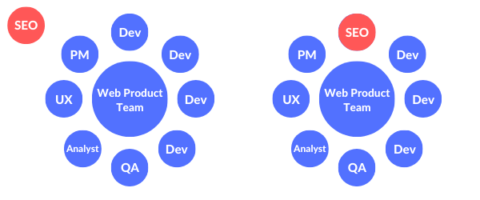
Search Engine Optimization (SEO) is a critical aspect of digital marketing that goes beyond the boundaries of a specialized SEO team. In today’s interconnected digital landscape, everyone within an organization can contribute to SEO success. Convincing non-SEOs of the importance of SEO and getting them on board is a crucial step toward achieving comprehensive and effective optimization. This article offers five strategies to engage non-SEO team members in supporting and understanding the significance of SEO efforts.
1. Educate on SEO Fundamentals
Laying a strong foundation requires imparting basic SEO knowledge to non-SEOs. Host workshops or informational sessions explaining what SEO is, how search engines work, and why it matters for the organization’s online visibility and growth. Demonstrate how SEO directly influences website traffic, lead generation, and revenue. By providing a clear understanding of SEO’s impact, you can spark interest and curiosity among non-SEOs.
2. Highlight Personal Benefits
Help non-SEOs see the personal benefits of embracing SEO practices. Explain that improved search visibility not only benefits the company but also enhances their individual work and professional development. When their contributions lead to better online exposure, it reflects positively on their efforts and expertise. Emphasize that SEO skills are transferable and valuable in today’s digital economy.
3. Connect SEO to Business Goals
Showcase the alignment between SEO and the organization’s broader business objectives. Illustrate how increased online visibility drives more qualified leads, customer engagement, and revenue. Share success stories of companies that have significantly grown their business through effective SEO strategies. When non-SEOs recognize how their contributions directly impact the bottom line, they are more likely to invest their efforts in SEO-related tasks.
4. Simplify and Collaborate
Demystify the complexities of SEO by breaking it down into actionable steps that non-SEOs can easily understand and contribute to. Collaborative efforts could include optimizing content for relevant keywords, enhancing website performance for better user experience, and implementing basic on-page optimization practices. Provide user-friendly tools, guides, and checklists that empower non-SEOs to take meaningful actions without feeling overwhelmed.
5. Celebrate Small Wins
Acknowledge and celebrate the achievements of non-SEOs who actively participate in SEO initiatives. Recognize their efforts through internal communications, team meetings, or even small rewards. Celebrating small wins not only boosts morale but also reinforces the idea that SEO is a collective effort that yields tangible results. Positive reinforcement encourages sustained engagement over time.
In the modern digital landscape, SEO is not just the responsibility of a specialized team; it’s a collective effort that involves everyone within an organization. Convincing non-SEOs of the value of SEO requires education, clear communication, and a focus on the benefits that both the organization and individuals can reap. By educating non-SEOs about the fundamentals, highlighting personal benefits, connecting SEO to business goals, simplifying tasks, and celebrating successes, you can foster a culture where everyone is actively invested in and contributing to the success of SEO initiatives. Ultimately, a collaborative approach to SEO ensures that the organization is well-positioned for sustained online growth and success.
JavaScript Indexing Delays Are Still an Issue for Google

In the dynamic landscape of web development, JavaScript plays a crucial role in creating interactive and feature-rich websites. However, its usage has posed challenges for search engines like Google when it comes to indexing and ranking web pages. JavaScript indexing delays have been a persistent concern for website owners and SEO professionals. This essay delves into the complexities of JavaScript indexing, highlights the underlying issues causing delays, and examines Google’s continuous efforts to overcome these challenges.
The Role of JavaScript in Web Development
JavaScript is a versatile programming language that enables developers to build interactive elements, dynamic content, and modern user interfaces on websites. Its capabilities have transformed the web from static pages to dynamic, application-like experiences. Modern web applications often rely heavily on JavaScript frameworks and libraries, allowing content to be generated, modified, and presented dynamically based on user interactions. This shift, while enhancing user experience, has introduced complexities for search engines that primarily rely on HTML for indexing.
Challenges in JavaScript Indexing
Search engines traditionally rely on crawling HTML content to understand the structure and relevance of web pages. However, JavaScript-generated content poses challenges due to its asynchronous execution and client-side rendering. Some of the key challenges include:
1. Delayed Rendering: JavaScript-generated content often requires the browser to execute scripts to render the final content. This can lead to indexing delays as search engine crawlers need to wait for the rendering process to complete before capturing the content.
2. Single Page Applications (SPAs): SPAs are built entirely using JavaScript frameworks, dynamically loading content as users navigate the site. This can cause indexing delays as search engines may struggle to crawl and index individual sections of the page.
3. Dynamic Data Fetching: JavaScript is commonly used to fetch data from APIs and databases. This dynamic data may not be readily available during the initial crawl, leading to incomplete or outdated indexing.
4. Resource-Intensive Frameworks: Some JavaScript frameworks and libraries are resource-intensive and can slow down rendering, affecting indexing speed.
Google’s Journey to JavaScript Indexing
Google, being the dominant search engine, recognized the importance of accurately indexing JavaScript-powered websites. The journey to address JavaScript indexing challenges can be summarized in three phases:
1. Limited Understanding (Early Days): In the early stages, Google’s ability to understand JavaScript-generated content was limited. JavaScript-driven content was often ignored or inadequately indexed, resulting in poor search visibility for websites.
2. Introduction of Rendering (Mid-2010s): Realizing the significance of JavaScript, Google introduced rendering, where Googlebot would execute JavaScript to view the final content as users do. This marked a significant improvement in indexing JavaScript-generated content, reducing delays.
3. Continuous Improvements (Present): Google has continued to refine its rendering capabilities and algorithms to better handle JavaScript content. This includes improved understanding of asynchronous content loading, handling SPAs, and optimizing indexing efficiency.
Ongoing Challenges and Solutions
Despite Google’s advancements in JavaScript indexing, challenges persist. Several factors contribute to ongoing delays:
1. Crawl Budget: Google allocates a limited time for crawling each website. JavaScript-intensive websites may have their content partially indexed due to time constraints.
2. Dynamic Data: Content fetched via JavaScript from external sources might not be available during initial indexing. Google has recommended using server-side rendering (SSR) to address this issue.
3. Mobile-First Indexing: Google has shifted to mobile-first indexing, prioritizing the mobile version of websites. This introduces additional challenges for indexing JavaScript content on mobile devices.
Best Practices for JavaScript SEO
Website owners and developers can adopt best practices to mitigate JavaScript indexing delays and ensure optimal SEO performance:
1. Use Progressive Enhancement: Implement core content using standard HTML to ensure that essential information is accessible even without JavaScript.
2. Server-Side Rendering (SSR): Consider using SSR techniques to pre-render content on the server, ensuring search engines can access the complete content during indexing.
3. Canonical URLs: Ensure that canonical URLs are correctly specified for JavaScript-generated content to prevent duplicate content issues.
4. Structured Data Markup: Implement structured data using JSON-LD or other formats to enhance search engines’ understanding of the content.
5. Optimize Performance: Minimize resource-intensive JavaScript libraries and optimize performance to facilitate faster rendering during indexing.
JavaScript indexing delays remain a challenge for Google and other search engines due to the dynamic and asynchronous nature of JavaScript-powered content. However, Google’s persistent efforts to improve rendering capabilities have significantly mitigated these challenges. Website owners and developers play a crucial role in optimizing their websites for search engines by following best practices that ensure timely and accurate indexing of JavaScript-generated content. As the web continues to evolve, collaboration between search engines and web developers will be vital to maintaining a balance between dynamic user experiences and effective SEO practices.
Google Releases ‘Trial Runs’ Streaming App Ads
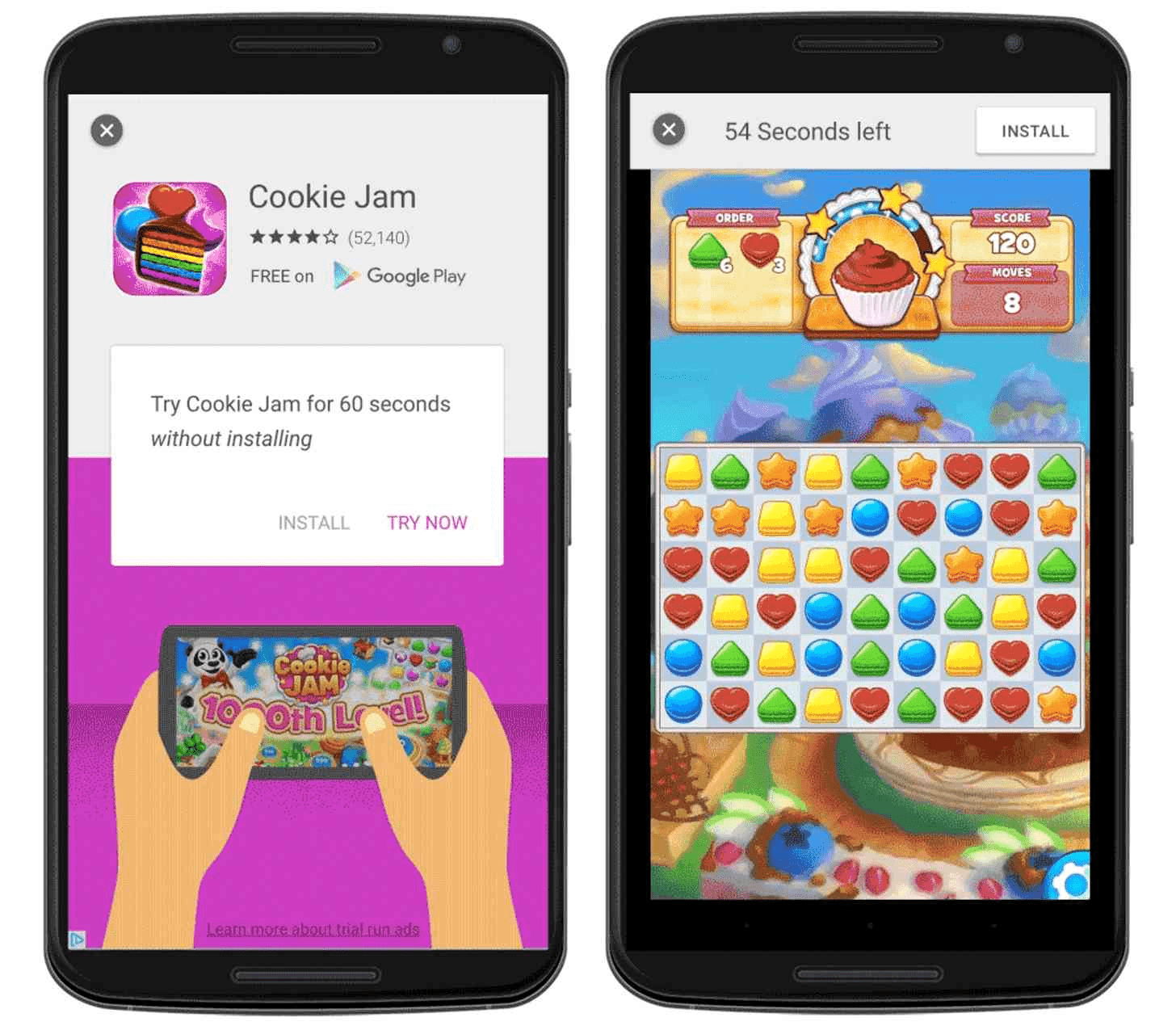
In the dynamic world of digital advertising, innovation is the key to capturing user attention and achieving marketing success. Google’s recent release of ‘Trial Runs’ streaming app ads marks a groundbreaking shift in app marketing strategies. This essay dives into the intricacies of this innovative approach, analyzing its impact on user engagement, app adoption, and the broader landscape of digital advertising.
The Power of Streaming App Ads
1. Redefining Engagement: Streaming app ads allow users to experience the app’s functionality in real-time, breaking down barriers and enhancing engagement.
2. Interactive Previews: ‘Trial Runs’ offer interactive previews of apps, giving users a taste of the experience before downloading.
Introducing Google’s ‘Trial Runs’ Streaming App Ads
1. In-App Streaming: ‘Trial Runs’ leverage Google’s cloud-based technology to stream apps in real-time, eliminating the need for downloads.
2. Seamless Interaction: Users can interact with the app during the streaming experience, exploring its features and functionality.
The Value Proposition for Advertisers
1. Enhanced Engagement Metrics: Streaming app ads provide advertisers with more accurate engagement metrics, including time spent within the app.
2. Quality Leads: Users who experience the app’s functionality before download are more likely to convert, resulting in higher-quality leads.
Empowering Users: A User-Centric Approach
1. Empowering Decision-Making: ‘Trial Runs’ empower users to make informed decisions about app downloads by offering a firsthand experience.
2. Reducing App Abandonment: Users who engage with the app’s features are more likely to continue using it after download, reducing app abandonment rates.
Streamlining User Acquisition: The Impact on App Adoption
1. Lowering Barriers: Traditional app downloads can be cumbersome. ‘Trial Runs’ streamline the acquisition process, potentially boosting app adoption rates.
2. Reducing Uninstalls: Users who have interacted with the app are more likely to find value in it, leading to fewer uninstalls after download.
Analyzing the Advertiser-User Relationship
1. Interactive Engagement: ‘Trial Runs’ foster an interactive relationship between advertisers and users, allowing for a more personalized experience.
2. Real-Time Feedback: Users’ real-time interactions with the app during streaming provide valuable feedback to advertisers for further improvements.
Innovation vs. Privacy Concerns: Balancing the Equation
1. Data Privacy: While ‘Trial Runs’ offer enhanced user engagement, concerns about data privacy and permissions need to be addressed.
2. Informed Consent: Users should be informed about the data collection process during streaming and given the option to opt in or out.
The Broader Implications: Shaping the Future of Digital Advertising
1. Transforming User Experience: Streaming app ads signify a shift toward more immersive and interactive user experiences in advertising.
2. Competitive Edge: Advertisers adopting innovative approaches like ‘Trial Runs’ gain a competitive edge by offering unique value to users.
Ethical Considerations and Transparency
1. Transparent Communication: Advertisers must clearly communicate the streaming nature of the ad and the data collection process to users.
2. User Empowerment: Users should have control over the amount of data shared during the streaming experience, ensuring their consent is respected.
Google’s introduction of ‘Trial Runs’ streaming app ads represents a transformative leap in app marketing, reshaping user engagement, acquisition strategies, and the way we perceive digital advertising. By empowering users to experience apps firsthand and offering advertisers more valuable insights, ‘Trial Runs’ pave the way for a future of more immersive, interactive, and user-centric advertising experiences. However, the balance between innovation and privacy considerations is paramount, requiring transparency, informed consent, and ethical practices to ensure that the evolution of digital advertising benefits all stakeholders involved.
Google Ads Photo Guidelines Now Faster Reviews & More Creative

Google Local Service Ads play a vital role in connecting businesses with local customers. Recent updates to the platform’s photo guidelines have brought about improvements that impact reviews, creativity, and overall efficiency. This essay aims to explore these updates and their implications for businesses, customers, and the local service ecosystem.
Google Local Service Ads: A Brief Overview
1. Connecting Local Businesses: Google Local Service Ads enable local businesses to reach potential customers through targeted ads displayed in search results.
2. Service Verification: Google verifies businesses to ensure they provide high-quality services and meet customer expectations.
Recent Photo Guideline Updates
1. Enhancing Visual Content: The updates aim to improve the visual representation of businesses’ services, fostering better communication with potential customers.
2. Faster Reviews: These updates also expedite the review process by encouraging businesses to upload relevant photos that showcase their services.
Implications for Businesses
1. Improved Credibility: High-quality photos increase the credibility of businesses, allowing customers to visualize the offered services and facilities.
2. Customer Engagement: Engaging photos provide potential customers with a glimpse of what to expect, enticing them to choose a particular business.
3. Enhanced Conversion: Eye-catching visuals can lead to higher click-through rates, driving more conversions for businesses.
Benefits for Customers
1. Informed Decisions: High-quality images help customers make informed decisions about the services they are seeking.
2. Visual Transparency: Visual representations of businesses’ offerings promote transparency and help customers avoid surprises.
3. Streamlined Selection: With a clearer understanding of services, customers can quickly narrow down their choices.
Promoting Creativity and Uniqueness
1. Showcasing Uniqueness: Businesses can use images to highlight their unique selling points and stand out from the competition.
2. Enhancing Brand Identity: Creative visuals contribute to building a strong brand identity, which resonates with customers.
Accelerated Review Process
1. Quick Visual Feedback: With relevant photos, customers can quickly assess a business’s suitability, expediting the decision-making process.
2. Review Authenticity: Authentic photos enhance the reliability of reviews, as customers can visualize the experiences of others.
Best Practices for Businesses
1. High-Quality Images: Clear and high-resolution photos offer the best representation of services.
2. Variety: Businesses should include a variety of images that capture different aspects of their services.
3. Relevance: Photos should accurately depict the business’s offerings and facilities.
The recent updates to Google Local Service Ads’ photo guidelines mark a significant step forward in enhancing the user experience for both businesses and customers. These updates not only improve the efficiency of the review process but also allow businesses to showcase their offerings more creatively and authentically. Through the power of visuals, local businesses can engage customers, build trust, and drive conversions. As the digital landscape continues to evolve, these updates stand as a testament to Google’s commitment to fostering meaningful connections between local businesses and their customers.
Contents more important after google helpful content update
SEOs (Search Engine Optimizers) might employ in preparing for upcoming Google algorithm updates that prioritize helpful and valuable content. Google frequently updates its search algorithms to provide users with the most relevant and high-quality content. If SEOs can anticipate these updates and align their strategies accordingly, they can potentially benefit from improved search engine rankings and visibility.
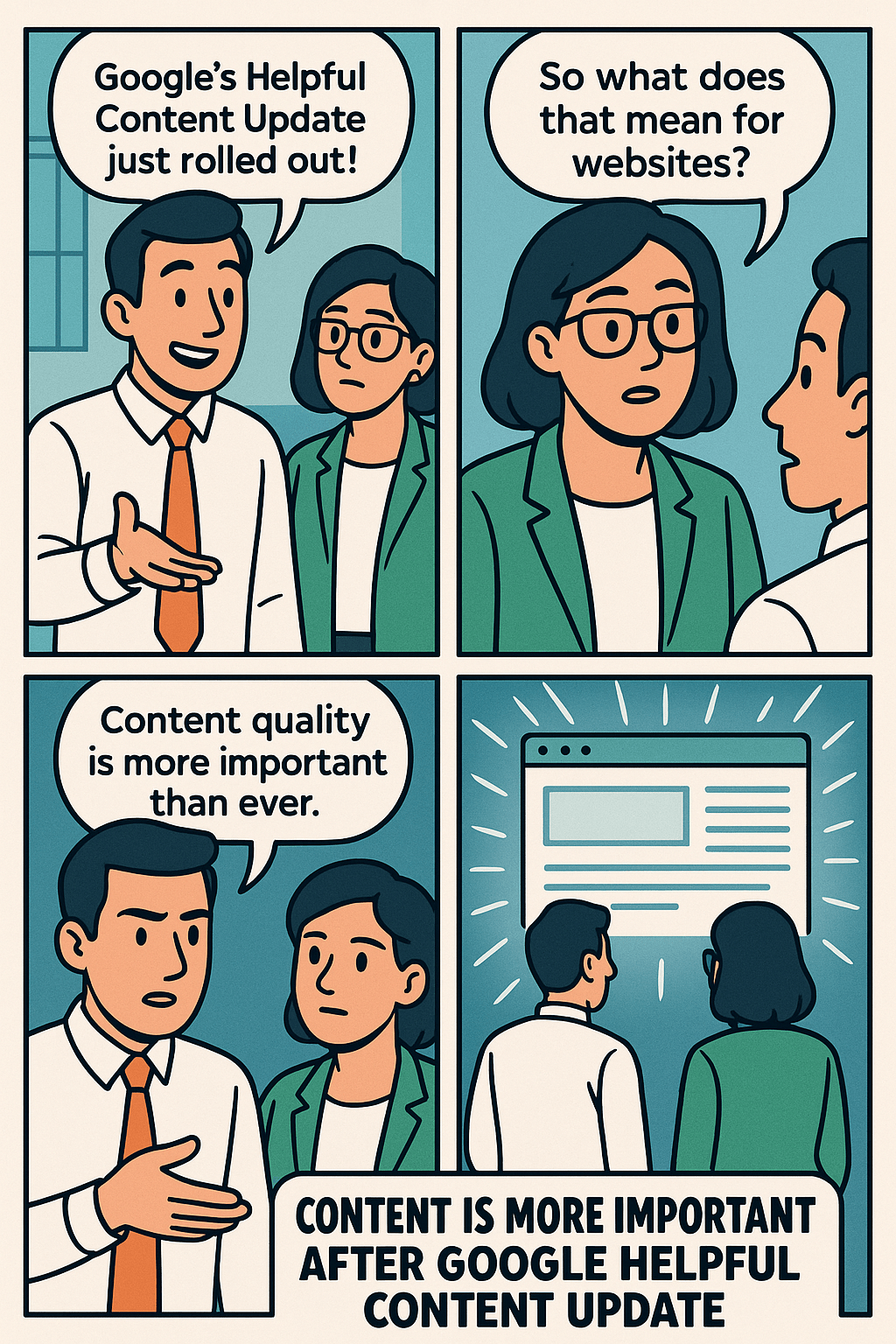
Here’s how SEOs might approach preparing for a Google update that prioritizes helpful content:
- Content Quality: Focus on creating high-quality content that addresses user needs, provides valuable insights, and offers practical solutions. Content should be well-researched, authoritative, and written in a user-friendly manner.
- User Intent: Understand user intent behind search queries and tailor content to fulfill those intentions. Google’s updates often aim to better understand context and user expectations.
- Long-Form Content: Longer articles and comprehensive guides can provide in-depth information, which might align well with Google’s emphasis on delivering thorough and informative content.
- Structured Content: Organize content using headings, bullet points, and other formatting to make it easy for users to scan and find relevant information quickly.
- Multimedia: Enhance content with relevant images, infographics, videos, and other multimedia elements to engage users and convey information more effectively.
- Expertise and Authority: Showcase expertise in your field by providing accurate and trustworthy information. Establish authoritativeness by citing reputable sources and linking to authoritative sites.
- Mobile-Friendly: Ensure that your content is responsive and optimized for mobile devices, as Google considers mobile-friendliness a ranking factor.
- Page Speed: Optimize your website’s load times to enhance user experience and align with Google’s user-centric approach.
- User Engagement Metrics: Encourage user engagement with your content by promoting social sharing, comments, and interactions. Higher user engagement can signal to Google that your content is valuable and relevant.
- Technical SEO: Address technical issues that could affect user experience, such as broken links, duplicate content, and crawl errors.
- Update Existing Content: Regularly update and refresh existing content to ensure its accuracy and relevance.
It’s important to note that while preparing for Google updates is a valid strategy, the core principle should always be providing genuine value to users. Google’s updates are designed to reward websites that prioritize user satisfaction. SEOs who focus on creating helpful and informative content are more likely to benefit from algorithm updates in the long run.
Remember that the SEO landscape is constantly evolving, and staying informed about industry trends and Google’s guidelines is essential for long-term success.
I
Understanding realistic SEO timeline
Understanding and explaining a realistic SEO timeline is crucial for managing expectations and setting achievable goals for your website’s search engine optimization efforts. SEO is a long-term strategy that requires patience and consistent effort. Here’s how to approach and explain a realistic SEO timeline:
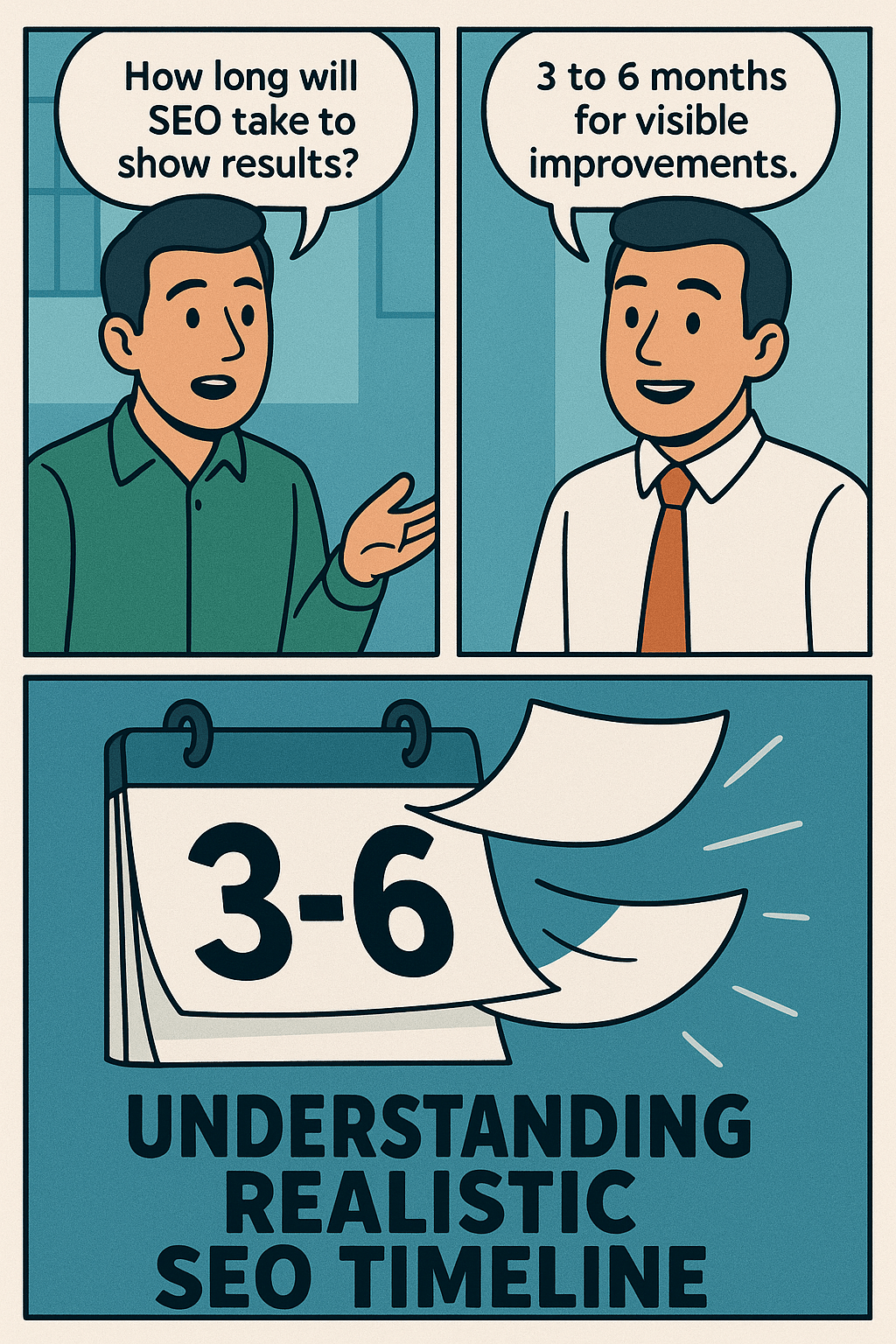
1. Initial Research and Analysis (1-2 Months):
- During this phase, conduct thorough keyword research and competitor analysis.
- Understand your target audience, identify relevant keywords, and assess the competitive landscape.
2. On-Page Optimization (2-3 Months):
- Optimize your website’s on-page elements, such as meta titles, meta descriptions, headings, and content.
- Address technical issues, improve page load speed, and ensure mobile-friendliness.
3. Content Creation and Promotion (Ongoing):
- Regularly create high-quality, informative, and engaging content targeting relevant keywords.
- Share content through social media, email newsletters, and other channels to attract backlinks and increase visibility.
4. Link Building (Ongoing):
- Build high-quality backlinks from authoritative and relevant websites over time.
- Focus on ethical link-building practices to avoid penalties from search engines.
5. Monitoring and Analytics (Ongoing):
- Continuously monitor your website’s performance using tools like Google Analytics and Google Search Console.
- Track keyword rankings, organic traffic, bounce rates, and other key metrics.
6. Initial Results and Progress (4-6 Months):
- By this point, you may start to see some improvements in your rankings and organic traffic.
- It’s important to emphasize that SEO is a gradual process and that results will continue to improve over time.
7. Consistent Efforts (6-12 Months and Beyond):
- Continue optimizing your website, creating valuable content, and building high-quality backlinks.
- SEO is an ongoing effort, and maintaining your website’s visibility requires consistent attention.
8. Long-Term Growth (12+ Months):
- With sustained effort, your website’s rankings, organic traffic, and domain authority should continue to grow.
- Long-term commitment to SEO can result in stable and valuable online visibility.
Important Points to Explain:
Stress that SEO is not a quick-fix solution. It takes time for search engines to recognize and reward your efforts.The time required for results can vary depending on factors like industry competitiveness and keyword difficulty.Emphasize that search engine algorithms change, and adjustments might be needed to adapt to these changes.SEO aims for long-term, sustainable growth, and short-term gains through unethical practices can lead to penalties.Help stakeholders understand that metrics like organic traffic, keyword rankings, and conversion rates are more meaningful indicators of success than immediate top rankings.By providing a clear and realistic SEO timeline, you can set proper expectations and ensure that your SEO strategy is built on a solid foundation for long-term success.
Voice Search Optimization: The New SEO Trend You Can’t Afford to Ignore
Voice search optimization is a new SEO trend that emphasizes optimizing for online search queries that are made using voice rather than traditional keyboard and mouse inputs. Voice search is quickly becoming the preferred method for searching online, with the percentage of users using voice search growing exponentially year over year. Voice search optimization is quite different from traditional SEO because it requires an understanding of natural language processing techniques. As opposed to traditional search, voice search is typically more conversational and often includes question-based queries. Since individuals are more likely to use natural sounding keywords and phrases when asking questions, it’s important to use language that matches the way people actually speak. This means that instead of including long-tail keywords within a webpage’s content, companies should focus more on optimizing for natural language. In addition to adjusting to the language that people use in their voice searches, companies also need to be aware of the different context in which users are asking their questions.

For example, when users are searching via voice, they’re often looking for a direct answer rather than a list of websites to explore. Optimizing content accordingly by structuring pages in such a way that a succinct answer can be provided is key. Furthermore, businesses need to ensure that their content is findable via voice-activated assistants, such as Amazon’s Alexa, and Apple’s Siri. To do this, businesses need to make sure their website is mobile-friendly and optimized for local searches, so that the assistant can identify the relevant results. Finally, businesses should consider the fact that voice search results are more likely to feature snippets from websites, and therefore optimizing content for features such as featured snippets will be invaluable. Strategies such as using structured data and schema markup can dramatically improve a website’s chances of appearing in voice search results. In summary, voice search optimization is an important new SEO trend that businesses need to pay attention to if they want to remain competitive. Formulating strategies to accommodate natural language and structured data will be key in achieving a successful voice search optimization strategy.
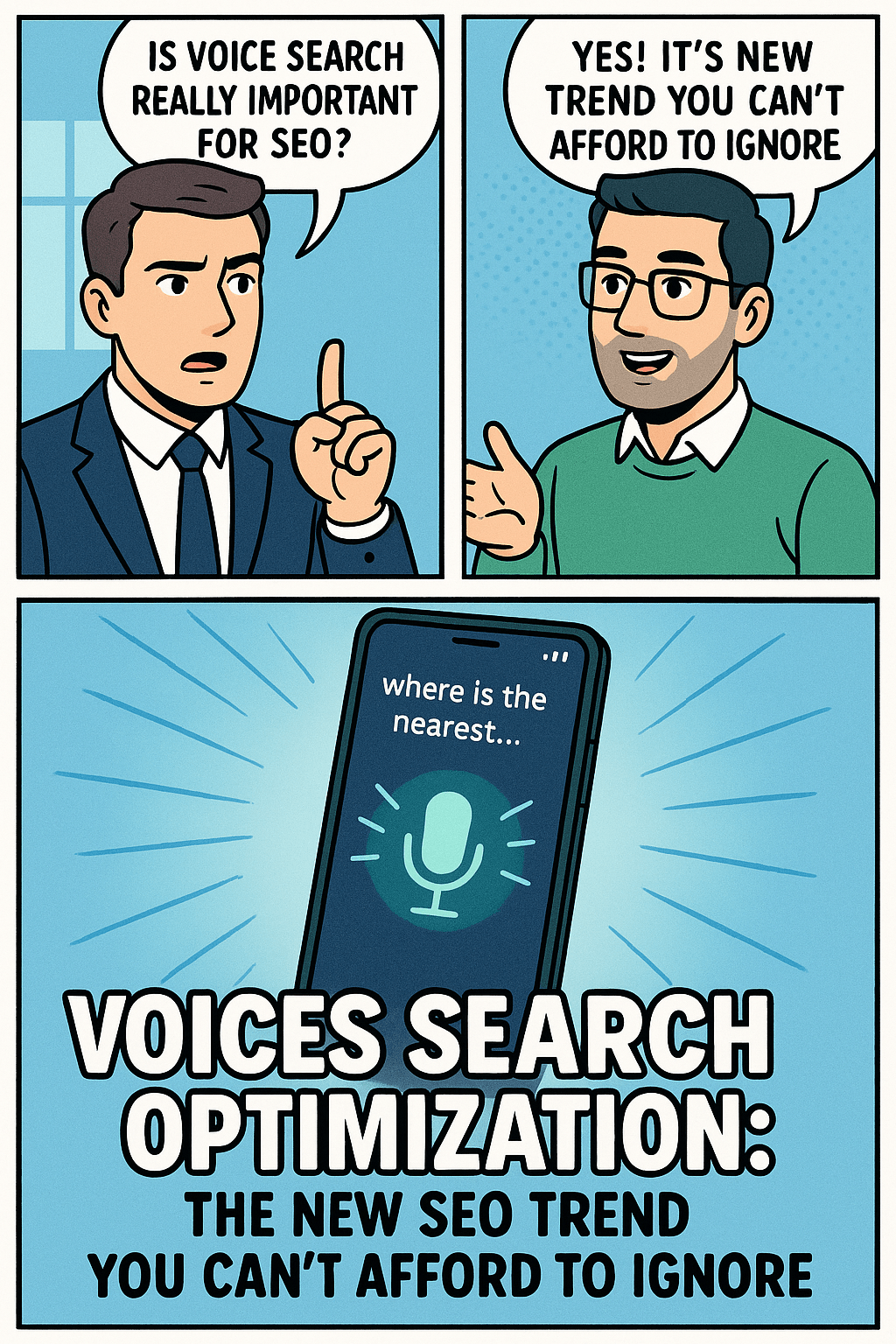
Voice search is no longer a futuristic concept—it’s here, and it’s transforming how users find information online. With the rise of smart speakers, voice assistants, and mobile voice search, businesses must optimize their websites to stay competitive. Ignoring this trend could mean missing out on a large share of search traffic.
1. Why Voice Search Matters
More than 50% of mobile searches are voice-based.
Smart assistants such as Google Assistant, Siri, and Alexa are now a main method individuals engage with search.
Voice searches are more conversational and longer in nature compared to typed searches.
2. Optimize for Conversational Keywords
Traditional SEO is keyword-centric. With voice, users speak full questions. Example: rather than search “best pizza NYC”, they may search “Where can I get the best pizza in New York City?”
3. Optimize for Featured Snippets
Most voice assistants take answers from featured snippets. You can enhance your chances by formatting your content with proper headings, brief answers, and schema markup.
4. Optimize Local SEO
Most voice searches are location-based. Example: “Find a dentist near me”. Make sure your business listings, Google Business Profile, and NAP (Name, Address, Phone number) are accurate.
5. Site Speed and Mobile Optimization
Voice searches tend to take place on mobile devices. Quickly loading, mobile-optimized websites are needed to rank for voice queries.
Expert-Backed SEO Strategies to Dominate the Ecommerce Market
Ecommerce has revolutionized the way consumers buy and sell goods and services around the world. As a result, ecommerce businesses need to stay competitive by leveraging the latest SEO techniques to stay on top of the competition. To do that, it is important to understand the underlying principles of SEO that will help you dominate the ecommerce market. One of the most important strategies to help your ecommerce business become more visible online is to optimize your website with relevant keywords and phrases. This will ensure that your site appears at the top of search engine result pages when someone searches for ecommerce related terms. It is also important to create content that people will find valuable, as this will further encourage them to click through to your website. Content should be targeted towards the specific needs of your target audience and provide users with interesting and informative information regarding your products and services. Another important SEO strategy to help you dominate the ecommerce market is to create internal links from within your website.

This will help search engine crawlers navigate your website more efficiently and make it easier for customers to reach your page. Additionally, you should optimize the titles and descriptions of your webpages for better visibility. This is done by choosing relevant keywords and phrases that will accurately describe the contents of the page. Finally, it is important to regularly monitor and analyze your website’s performance. This will give you insight into what works and what needs improvement. Additionally, you should use tools like Google Analytics, Ahrefs, and Semrush to track the performance of your website, as well as to keep track of your competitors. By staying up to date with the latest SEO trends and tactics you can stay ahead of the competition and dominate the ecommerce market. By utilizing the right SEO strategies, ecommerce businesses can increase their visibility and profitability. However, because the industry is constantly changing, it is important to stay abreast of the latest developments in SEO to remain competitive. By doing so, you will have a much better chance of dominating the ecommerce market and capturing the attention of potential customers.
How To Be Efficient With SEO Budget During Downtimes
SEO budgets can be a major concern during times of economic downturn or reduced marketing spend. To remain efficient with your SEO budget, it is important to recognize that you don’t need to stop investing money altogether, but rather shift your focus to cost-effective measures that can still yield positive results. Here are some tips for being efficient with your SEO budget during downtimes:
1. Audit your existing efforts: Conduct an SEO audit of your website to see where you are already investing in SEO and where you can make improvements. Identifying any areas of waste or inefficiency can allow you to adjust and eliminate any unnecessary expenses.
2. Review keyword targeting: Make sure that you are targeting the correct keywords for the search terms you want to rank for. Reviews of keyword data can provide insights into which terms are yielding the most potential returns and can help you identify potential budget savings.
3. Modify site content: Make sure that you are regularly updating and optimizing your site content. Evaluating existing content through usability testing and analytics can provide greater insight into how visitors use your site and what content is most important to them.

4. Utilize your resources: Utilizing existing resources can help you save on excessive outsourcing costs. Investing in SEO training and education for your team can enable them to make efficient, informed decisions that can save your budget in the long-term.
5. Prioritize campaigns: Assess your existing campaigns and prioritize which ones need the most attention. This will allow you to allocate your resources to the most important campaigns first, ensuring that you are investing your budget where it can yield the greatest ROI.
6. Trend analysis: Use trend analysis to better understand how your keywords and search engine results are shifting over time, as this can help you anticipate future changes in the market and adjust your budget accordingly.
By implementing these tips for efficient budgeting during downtimes, you can make sure that you are still investing in SEO but doing so in a way that ensures maximum ROI. Employing a mix of effective cost-saving measures and strategic investments can help keep your SEO efforts on track while navigating uncertain times.
Blogroll
Categories
- 2016 SEO trends predictions
- AI for eCommerce
- AI Search & SEO
- author rank
- Authority Trust
- Bing search engine
- blogger
- CDN & Caching.
- Content Strategy
- Core Web Vitals
- eCommerce Growth
- Experience SEO
- Fake popularity
- gbp-optimization
- Google Adsense
- Google Business Profile Optimization
- google fault
- google impact
- google Investigation
- google knowledge
- Google panda
- Google penguin
- Google Plus
- Google Search Console
- Google Search Updates
- Google webmaster tools
- google-business-profile
- google-maps-ranking
- Hummingbird algorithm
- infographics
- link building
- Local SEO
- local-seo
- Mattcutts Video Transcript
- Microsoft
- Mobile Performance Optimization
- Mobile SEO
- MSN Live Search
- Negative SEO
- On-Page SEO
- Page Speed Optimization
- pagerank
- Paid links
- Panda and penguin timeline
- Panda Update
- Panda Update #22
- Panda Update 25
- Panda update releases 2012
- Penguin Update
- Performance Optimization
- Sandbox Tool
- search engines
- SEO
- SEO Audits
- SEO Audits & Monitoring
- SEO cartoons comics
- seo predictions
- SEO Recovery & Fixes
- SEO Reporting & Analytics
- seo techniques
- SEO Tips & Strategies
- SEO tools
- SEO Trends 2013
- seo updates
- Server Optimization
- Shopify Optimization
- Shopify SEO
- Shopify Services
- Small Business Marketing
- social bookmarking
- Social Media
- SOPA Act
- Spam
- Technical SEO
- Uncategorized
- User Experience (UX)
- Webmaster News
- website
- Website Security
- Website Speed Optimization
- Yahoo